The Ashby Brothers Enter the Fight

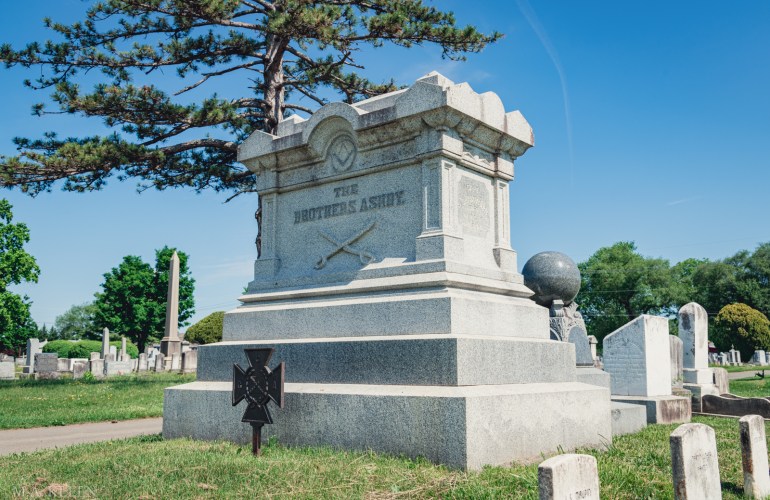
In June 1861, Col. Angus W. McDonald successfully petitioned the Confederate War Department for permission to raise a cavalry regiment, which became the 7th Virginia Cavalry. The first company he recruited was Capt. Turner Ashby’s Mountain Rangers. Thirty-two-year-old Turner Ashby Jr. and his younger brother Richard, 29, were born at Rose Bank Plantation in Fauquier…

Detailed Timeline of Events Along the Upper Potomac, May 23 – July 27, 1861

In the spring and summer of 1861, the nation tore itself apart. Maryland and Virginia stood on the front lines, with the Potomac River between them threatening to become an international border. In Washington, military planners quickly recognized the importance of securing the Potomac west of the nation's capital and protecting the vital Baltimore &…

Cutting the B&O: Confederate Raids in Hampshire County, 1861

In the summer of 1861, Hampshire County, Virginia, became a battleground in the struggle to control the vital Baltimore & Ohio Railroad. Confederate cavalry raided bridges and rail lines from Romney to New Creek while Union troops fought to keep open this critical transportation link between Washington, DC, and the West. On the eve of…

What Happened at Piedmont?

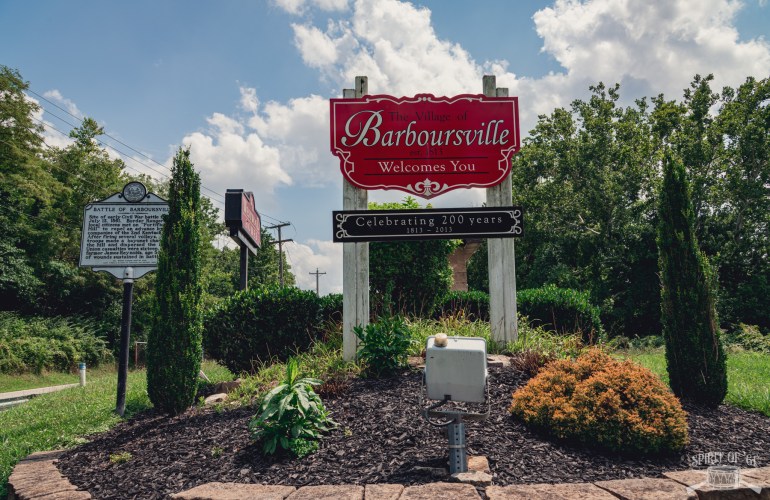
In early July 1861, following Lewis “Lew” Wallace’s departure from Cumberland, Maryland, the 13th and 5th Pennsylvania Reserve Regiments and Battery A, 1st Pennsylvania Artillery, advanced to protect this vital transportation hub on the Potomac River. On July 12, Confederate cavalry destroyed railroad cars and two trestle bridges over George’s Creek on the Maryland side…

Photo by M.A. Kleen, Spirit61.info

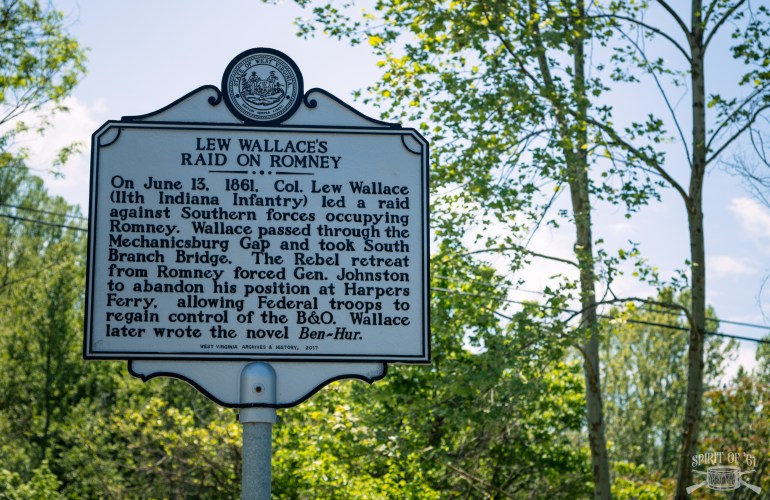
What Day Did Lew Wallace Attack Romney?

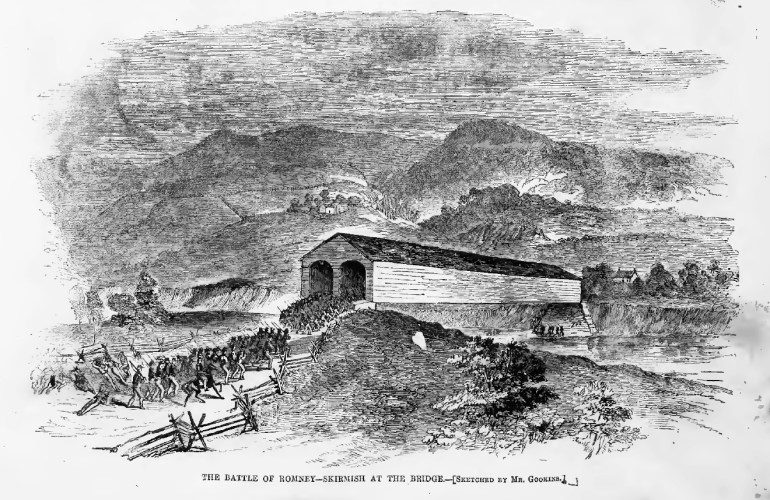
The story is one we are familiar with. Shortly after arriving at Cumberland, Maryland on the Potomac River and Baltimore & Ohio Railroad in June 1861, Col. Lewis “Lew” Wallace and his Eleventh Indiana Infantry Regiment marched all night to route a smaller Confederate force at what is today Romney, West Virginia in a bloodless…

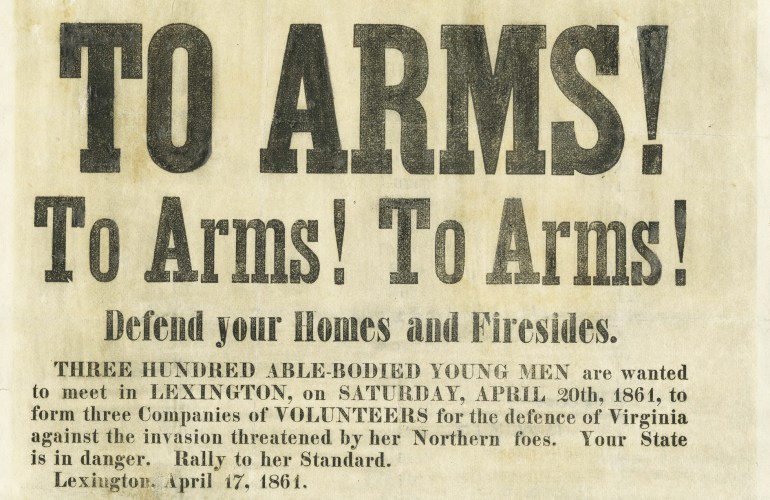
Off to War with the Liberty Hall Volunteers: The Early War Experiences of a Virginia College Company

By Jeffrey A. Felton At the outbreak of the American Civil War, many college students enlisted in volunteer companies. Examples of these companies range from the University Greys from the University of Mississippi who became Company A, 11th Mississippi Infantry, to the students from Hampden-Sydney College in Virginia who raised a militia company, fought at…

Photo by M.A. Kleen, Spirit61.info

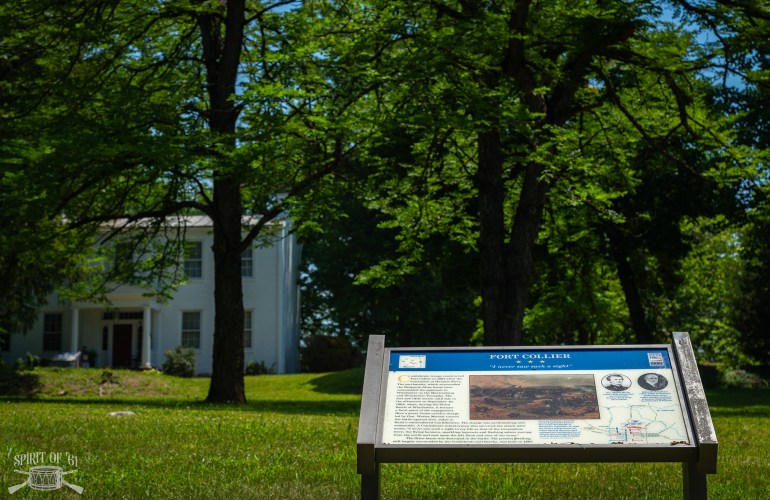
Building Fort Collier: Confederate Engineers and the Defense of Winchester

Long before the Third Battle of Winchester, Fort Collier began as a desperate Confederate effort to defend the Lower Shenandoah Valley during the opening months of the Civil War. Discover how Joseph E. Johnston, engineer William H.C. Whiting, and local Virginia militia transformed Isaac Stine’s farm into a strategic stronghold that still survives today as…

SVBF: The Wrong Uniform Color – Battle of Hoke’s Run

Last July, Shenandoah Valley Battlefields (SVBF) produced an excellent short video on the Battle of Hoke's Run, specifically the actions on the Confederate left flank where J.E.B. Stuart almost single-handedly captured a Union company. The presenter does a good job of breaking it down, but I wish they would have shown more footage of the…

Thomas W. Colley Recollects the Skirmish at Bunker Hill

Like many ex-Confederates, Thomas W. Colley wrote a memoir years after the war. And, like John Singleton Mosby, Colley enlisted in the Washington Mounted Rifles, a storied unit initially led by Capt. William E. “Grumble” Jones. He served with the company for the duration of the war and was wounded several times, ultimately losing a…