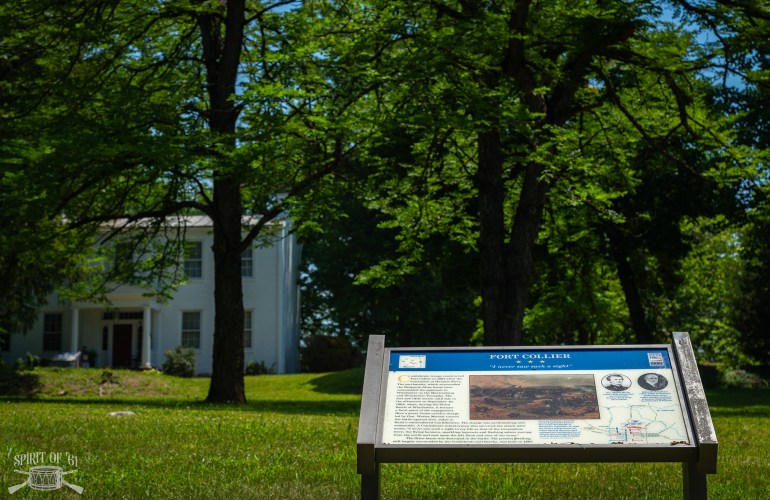
Long before the Third Battle of Winchester, Fort Collier began as a desperate Confederate effort to defend the Lower Shenandoah Valley during the opening months of the Civil War. Discover how Joseph E. Johnston, engineer William H.C. Whiting, and local Virginia militia transformed Isaac Stine’s farm into a strategic stronghold that still survives today as one of Winchester’s overlooked Civil War sites.
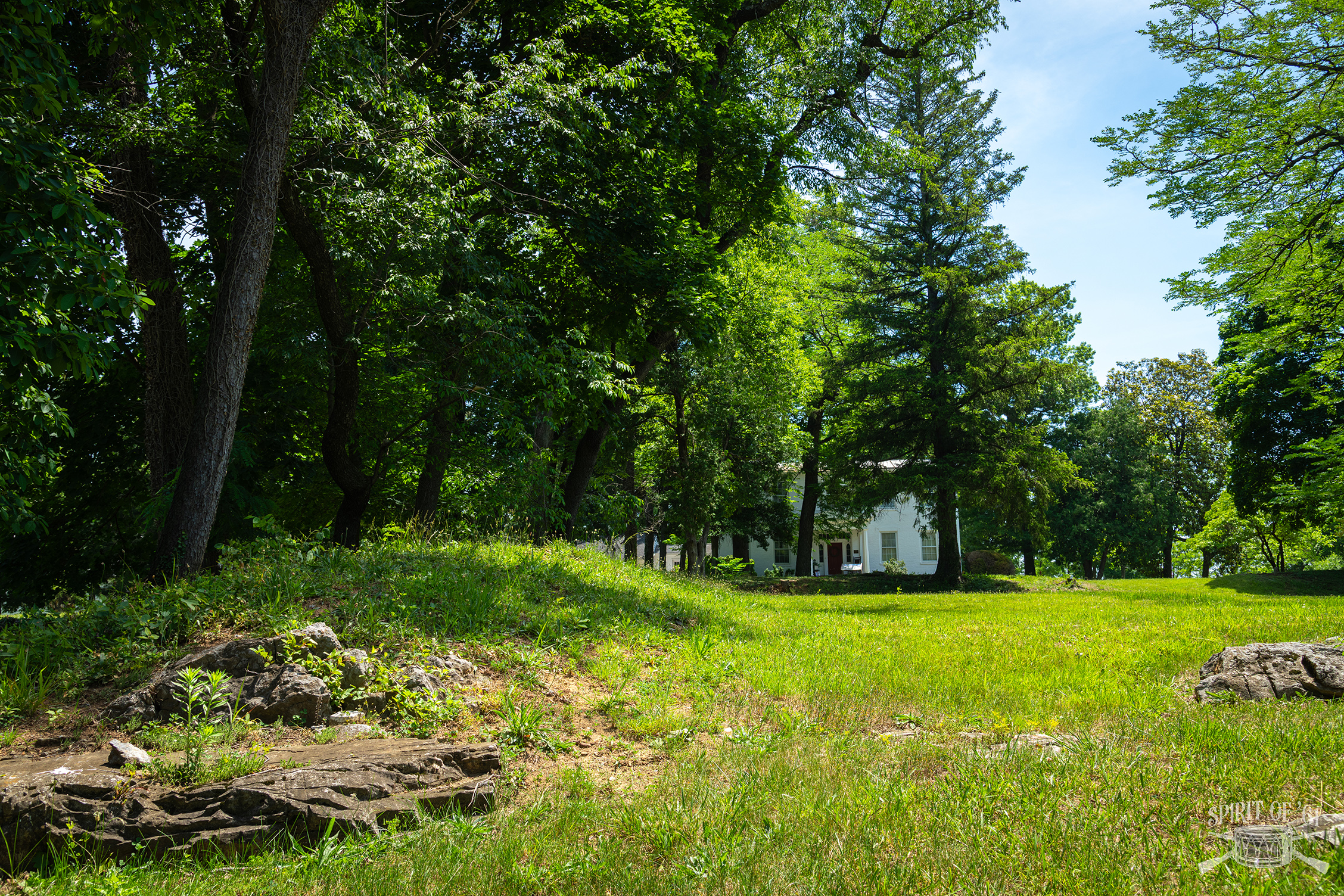
In early summer 1861, Confederate Brig. Gen. Joseph E. Johnston sought a secure position in Virginia’s Lower Shenandoah Valley that would protect the region’s vital agricultural resources while giving him the freedom to counter Union offensives into northern Virginia.
Johnston’s chief engineer was Major William Henry Chase Whiting (1824–1865). At the outbreak of the war, Whiting was serving as inspector general for the State of North Carolina. He graduated first in his class at the United States Military Academy at West Point in 1845. He resigned his commission in the U.S. Army Corps of Engineers on February 20, 1861, and served on the staff of P.G.T. Beauregard during the bombardment of Fort Sumter. In May, he was ordered to join Johnston at Harpers Ferry.
Whiting’s observations of the Harpers Ferry position reinforced Johnston’s own doubts that it could be held. He secured permission to withdraw to Winchester, strategically situated at the junction of the Valley and Northwestern Turnpikes. On June 13, Johnston began the withdrawal and ordered the destruction of the Potomac bridges behind him. Once in Winchester, his men established Camp Johnston on the Shenandoah Valley Agricultural Society Fairgrounds northwest of town.
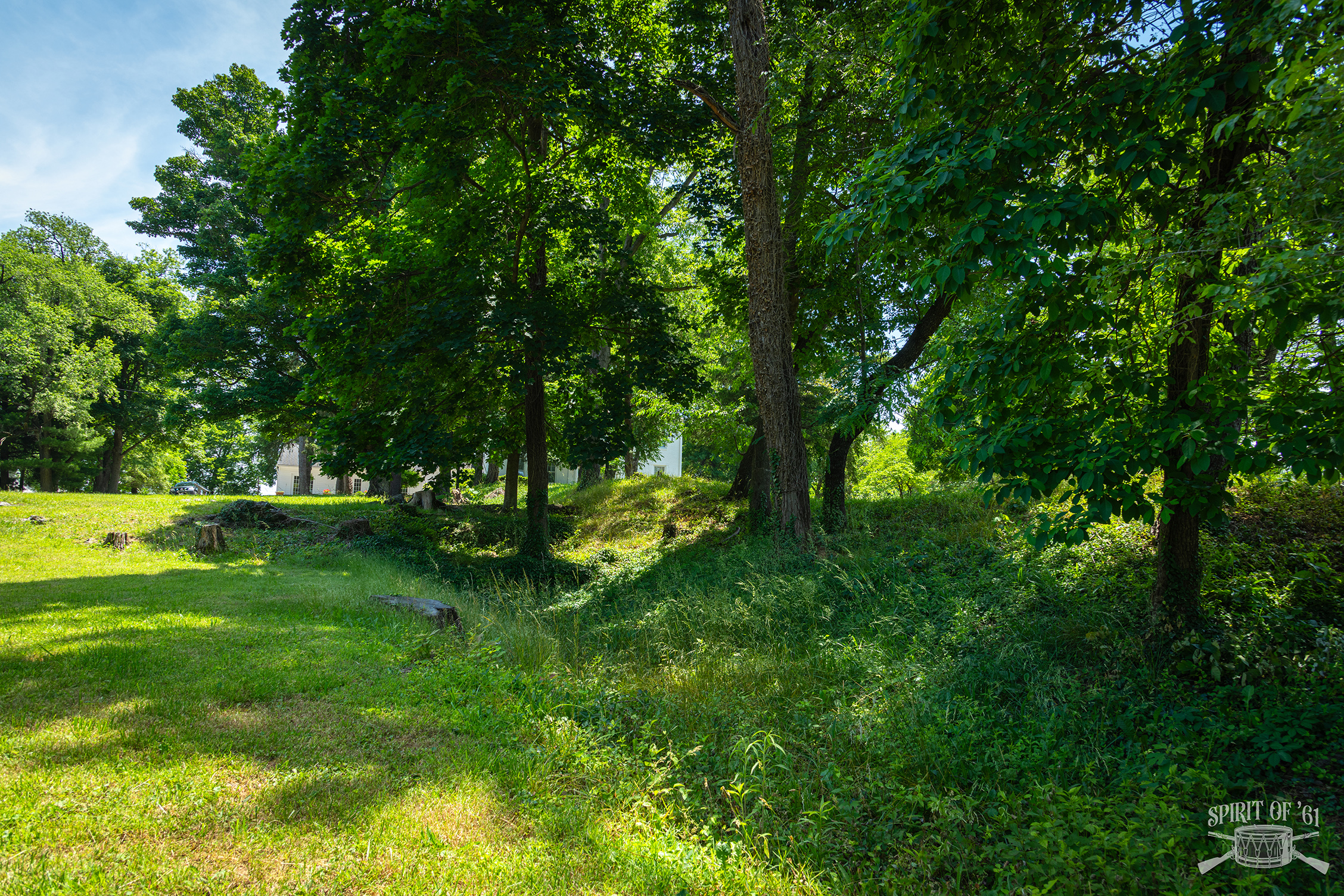
Johnston also instructed Whiting to locate a suitable site for fortifications to defend Winchester and secure the Winchester and Martinsburg Turnpike, which was threatened by Union Maj. Gen. Robert Patterson’s army across the Potomac in Maryland. Whiting selected Isaac Stine’s 380-acre farm on elevated ground east of the turnpike, now U.S. Route 11. When completed, the earthworks would completely surround Stine’s house.
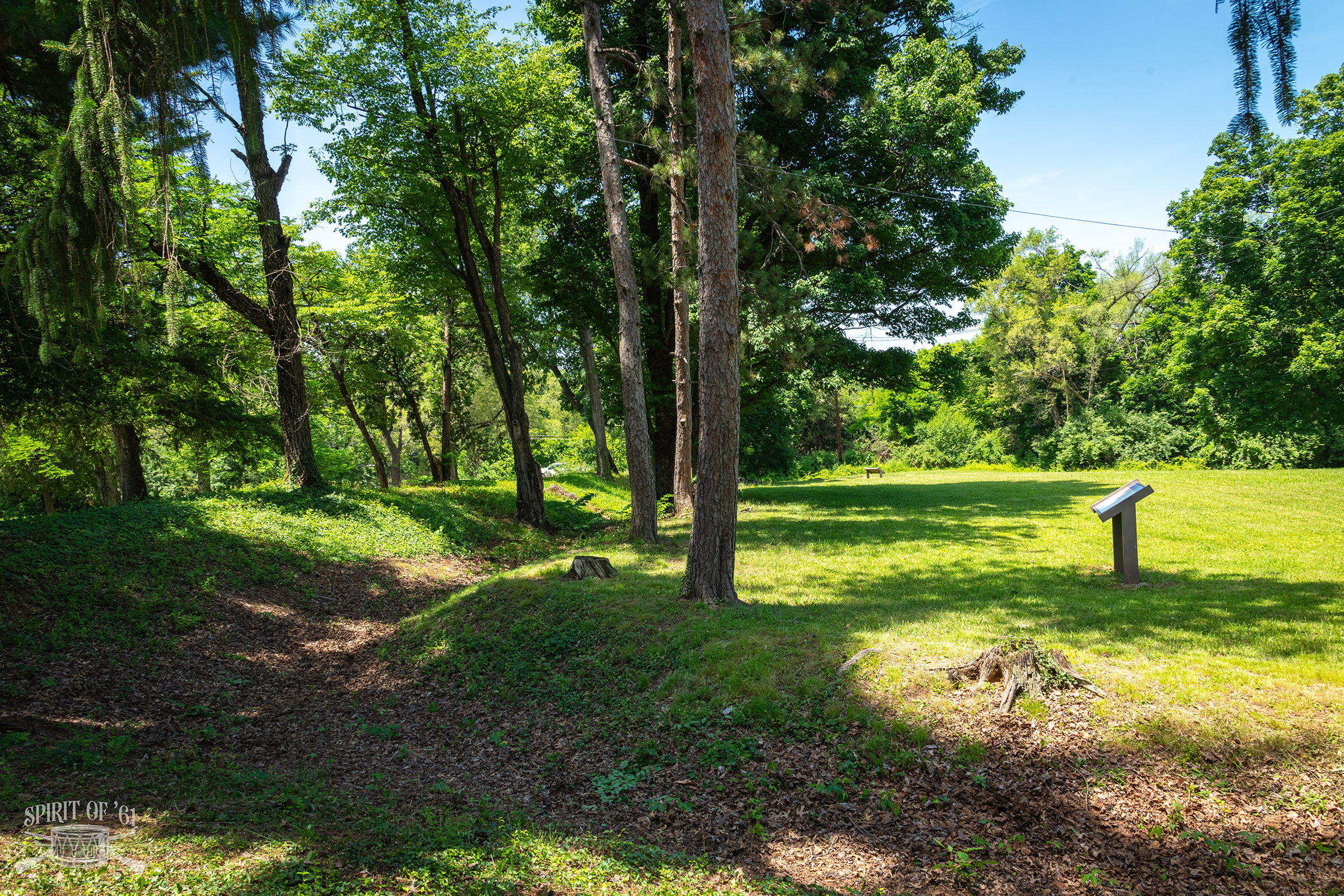
Whiting surveyed and designed the fortifications and appointed 22-year-old Lt. Cowles Miles Collier (1838–1907) to oversee their construction. Although Collier held the position for less than a week, the fort was named in his honor. On July 7, a work detail of 130 Virginia militiamen and 45 Union prisoners captured by J.E.B. Stuart days earlier at the Battle of Hoke’s Run began construction of the works. The main parapet walls were completed by July 17.
During June and July, Johnston periodically directed Brig. Gen. James H. Carson of the 16th Brigade, Virginia Militia, to call out his regiments, including the 51st Virginia Militia under Col. Charles E. Shryock. The work detail assigned to the fortifications appears to have come from Shryock’s regiment. By July 18, Johnston had completed preparations to evacuate Winchester and join P.G.T. Beauregard at Manassas Junction, leaving his sick and the town’s defense in the hands of the Virginia militia.
In August, a young woman named Harriet H. Griffin visited the fort with her father and described seeing “four cannons planted and much ammunition there. A great many men were working [and I] saw the magazines. They have several rifle ports which seem so secure. … It seems real strong and well built. There is a high embankment of sand bags, barrels, and brush covered with dirt, part sodded over. They intend to sod it with a big ditch on the lower side. They have completely surrounded Stine’s House which is now occupied by soldiers, some of whom were working there, come cooking, some washing, some on guard, and some lounging, and some sleeping…”
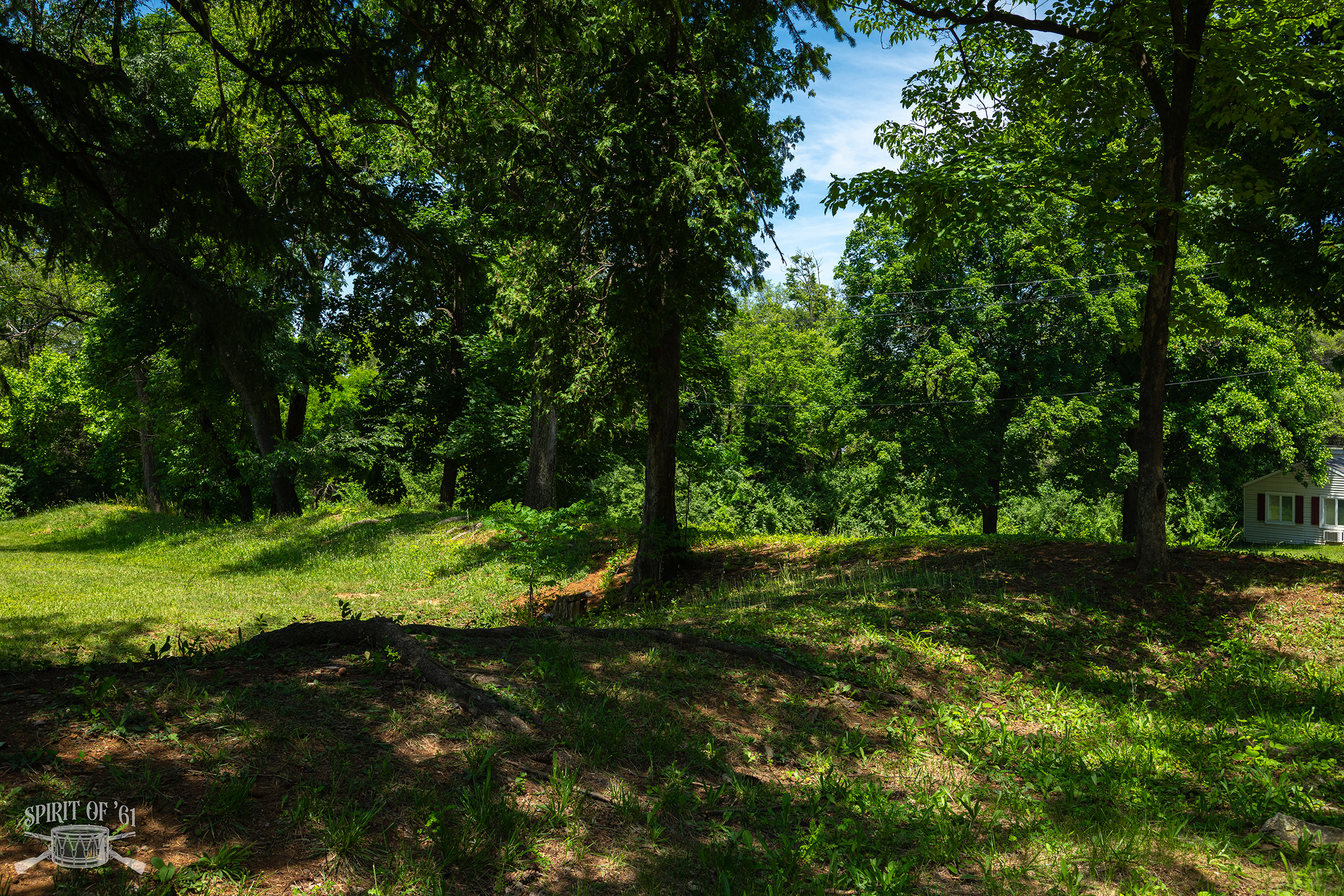
Fort Collier played a key role in the Third Battle of Winchester on September 19, 1864. Isaac Stine’s house was destroyed during the war and rebuilt shortly afterward. Today, the house and surrounding property are cared for by Fort Collier Civil War Center, Inc., and visitors can still explore remnants of the fortifications. Thanks to their preservation efforts, the site remains a tangible relic of the 1861 campaign in the Lower Shenandoah Valley.
Sources
Charles E. Shryock Journal. James S. Schoff Civil War Collection. William L. Clements Library. The University of Michigan.
Denson, C. B. An Address Delivered in Raleigh, N.C., on Memorial Day (May 10), 1895: Containing a Memoir of the Late Major-General William Henry Chase Whiting, of the Confederate Army. Raleigh: Edwards and Broughton Company, 1895.
Mahon, Michael G., ed. Winchester Divided: The Civil War Diaries of Julia Chase & Laura Lee. Mechanicsburg: Stackpole Books, 2002.
The War of the Rebellion: A Compilation of the Official Records of the Union and Confederate Armies. Series I, Vol. II. With additions and corrections. Washington: Government Printing Office, 1902.
The War of the Rebellion: A Compilation of the Official Records of the Union and Confederate Armies. Series I, Vol. LI, Part II. Washington: Government Printing Office, 1897.


