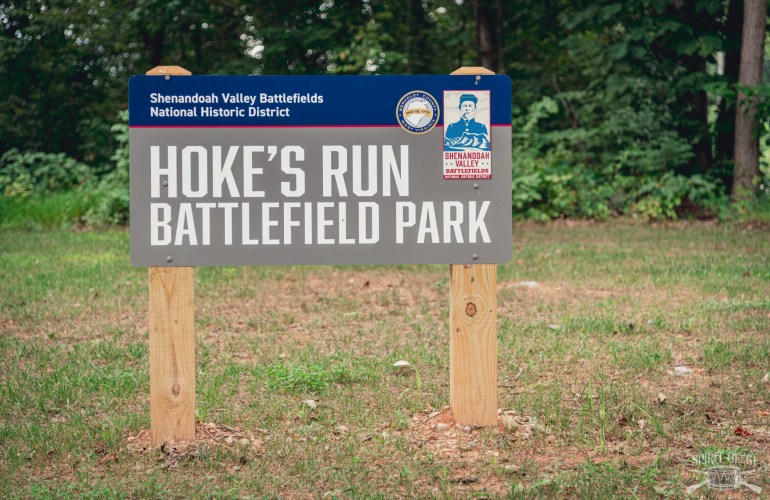
Exploring the New Hoke’s Run Battlefield Park
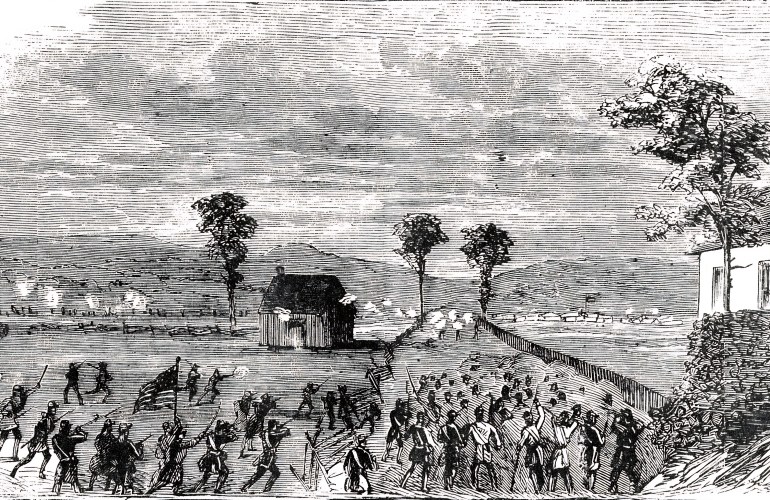
Earlier this month, I finally had the opportunity to visit Hoke’s Run Battlefield Park in Berkeley County, West Virginia. The Shenandoah Valley Battlefields Foundation and other local historic preservation groups developed this 10-acre park near the site of the July 2, 1861 Battle of Hoke’s Run, also known as Falling Waters, and erected interpretive signs…

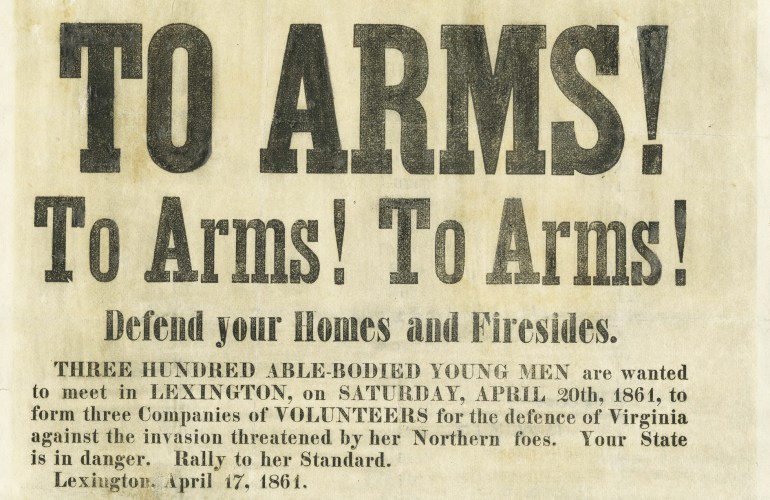
Off to War with the Liberty Hall Volunteers: The Early War Experiences of a Virginia College Company

By Jeffrey A. Felton At the outbreak of the American Civil War, many college students enlisted in volunteer companies. Examples of these companies range from the University Greys from the University of Mississippi who became Company A, 11th Mississippi Infantry, to the students from Hampden-Sydney College in Virginia who raised a militia company, fought at…

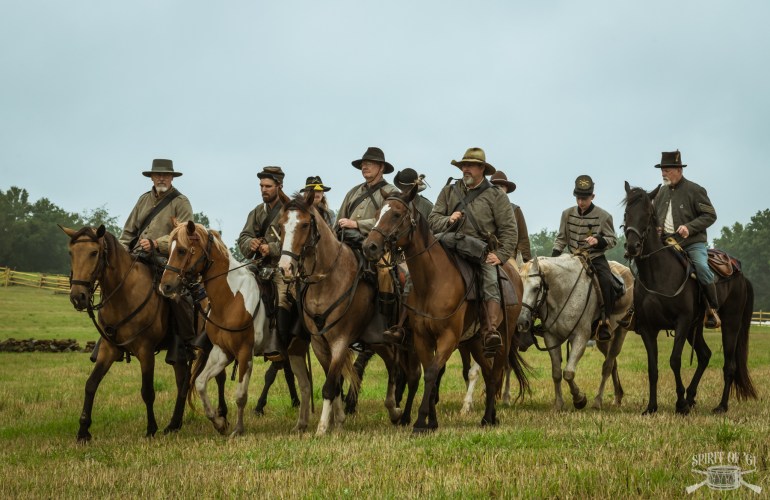
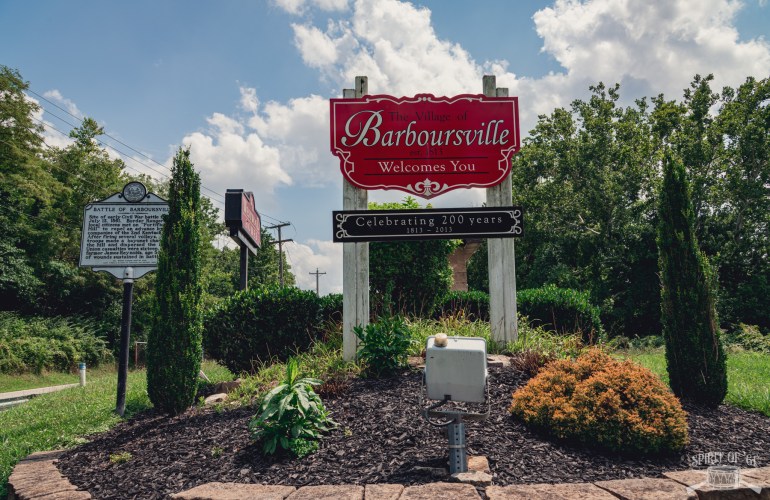
Photo by M.A. Kleen, Spirit61.info

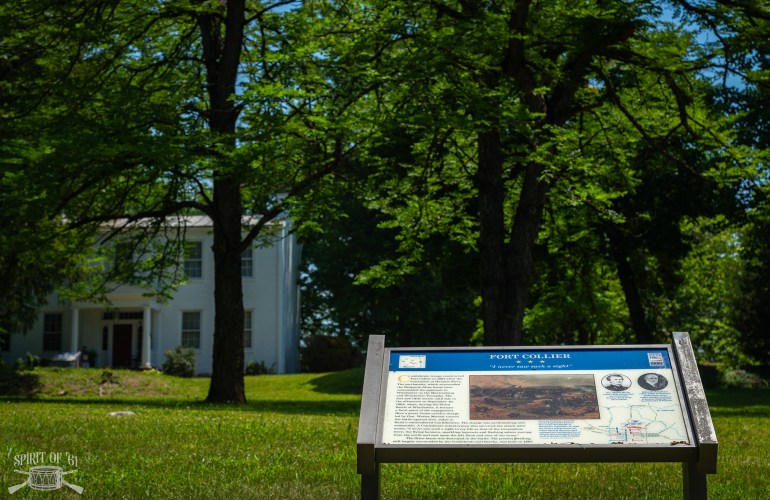
Building Fort Collier: Confederate Engineers and the Defense of Winchester

Long before the Third Battle of Winchester, Fort Collier began as a desperate Confederate effort to defend the Lower Shenandoah Valley during the opening months of the Civil War. Discover how Joseph E. Johnston, engineer William H.C. Whiting, and local Virginia militia transformed Isaac Stine’s farm into a strategic stronghold that still survives today as…

SVBF: The Wrong Uniform Color – Battle of Hoke’s Run

Last July, Shenandoah Valley Battlefields (SVBF) produced an excellent short video on the Battle of Hoke's Run, specifically the actions on the Confederate left flank where J.E.B. Stuart almost single-handedly captured a Union company. The presenter does a good job of breaking it down, but I wish they would have shown more footage of the…

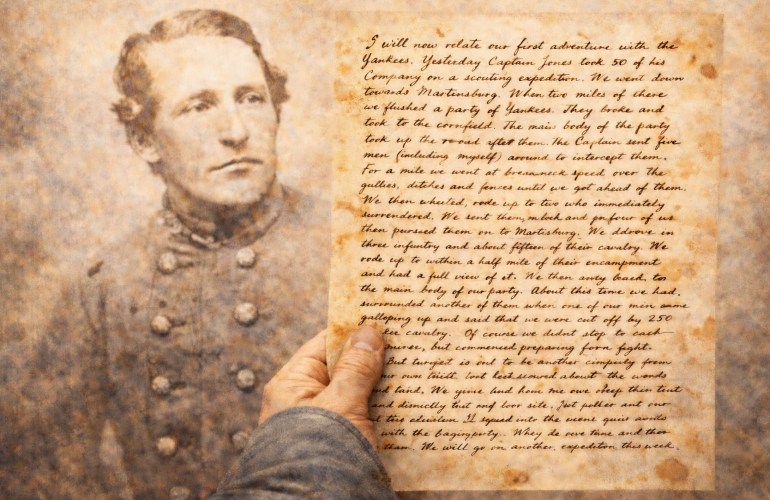
Thomas W. Colley Recollects the Skirmish at Bunker Hill

Like many ex-Confederates, Thomas W. Colley wrote a memoir years after the war. And, like John Singleton Mosby, Colley enlisted in the Washington Mounted Rifles, a storied unit initially led by Capt. William E. “Grumble” Jones. He served with the company for the duration of the war and was wounded several times, ultimately losing a…

Mosby Sheds Light on What Happened Outside of Martinsburg on July 11, 1861

During the American Civil War, John Singleton Mosby became a famous (or infamous) partisan leader in northern Virginia. The "Gray Ghost" vexed Union commanders and wreaked havoc behind the lines. But in the spring and summer of 1861, he was a private in the Washington Mounted Rifles, a cavalry company in J.E.B. Stuart's 1st Virginia…

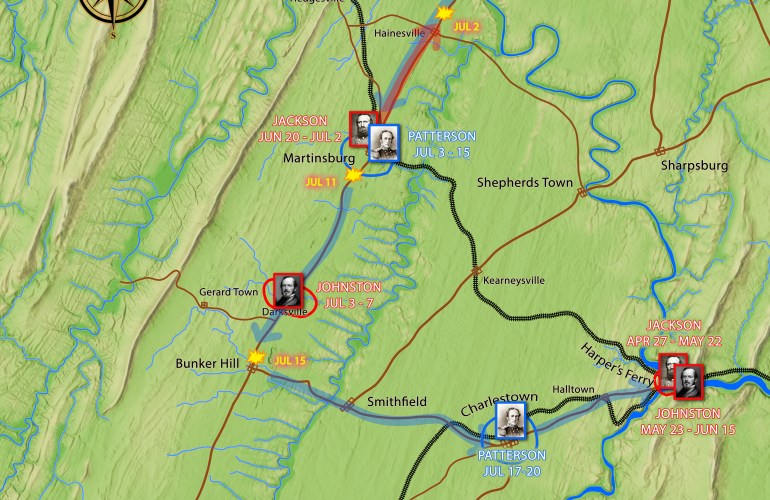
Map of the Lower Shenandoah Campaign, Summer 1861

Through June and July 1861, the armies of Union Maj. Gen. Robert Patterson and Confederate Brig. Gen. Joseph E. Johnston shadowboxed across the lower Shenandoah Valley. They fought a few incidental skirmishes, but no major battles. The stakes were high: the Shenandoah was a fertile valley rich in grain and foodstuffs, and it served as…

What if There had Been a Battle at Winchester in July 1861?

One of the fun aspects of studying history is imagining how events might have unfolded differently. The consequences of those changes can range from trivial to altering the course of an entire war. A major “what if” of the early Civil War is how the First Battle of Bull Run might have unfolded if Joseph…

What happened at Bunker Hill? Detecting this early Civil War skirmish in the Shenandoah

In early July 1861, Union Major General Robert Patterson’s army (largely three-month Pennsylvania volunteers, about 18–25,000 strong) occupied Martinsburg in the Shenandoah Valley. After a minor clash at Falling Waters (Hoke’s Run) on July 2, Patterson remained inactive for nearly two weeks. Opposite him, Confederate General Joseph E. Johnston had moved his forces (approximately 10–12,000)…