Photo by M.A. Kleen, Spirit61.info

What Confederate Units were at the Battle of Corrick’s Ford?

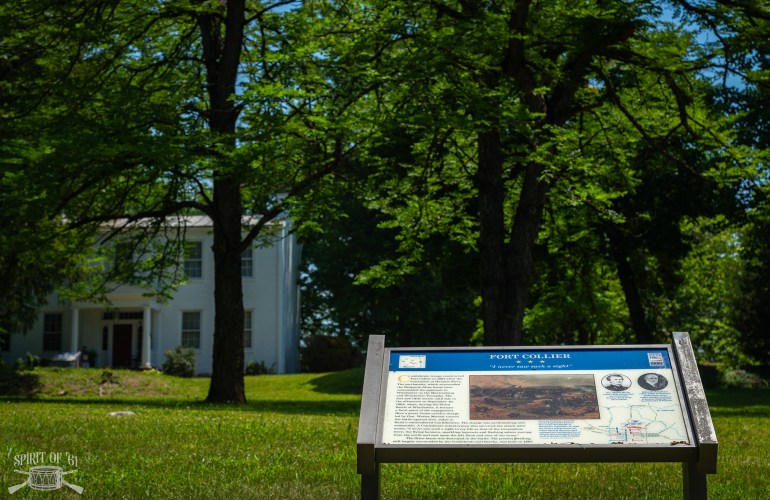
The Battle of Corrick’s Ford (often misspelled Carrick’s), fought on July 13, 1861, marked the climax of the Tygart Valley–Cheat River campaign in northwestern Virginia. It ended in the complete rout of Brig. Gen. Robert S. Garnett’s army and his death. The action was a rearguard fight, with a small portion of Garnett’s force holding…

165 Years Ago: Virginia Convention Calls for Alliance with the Confederate States

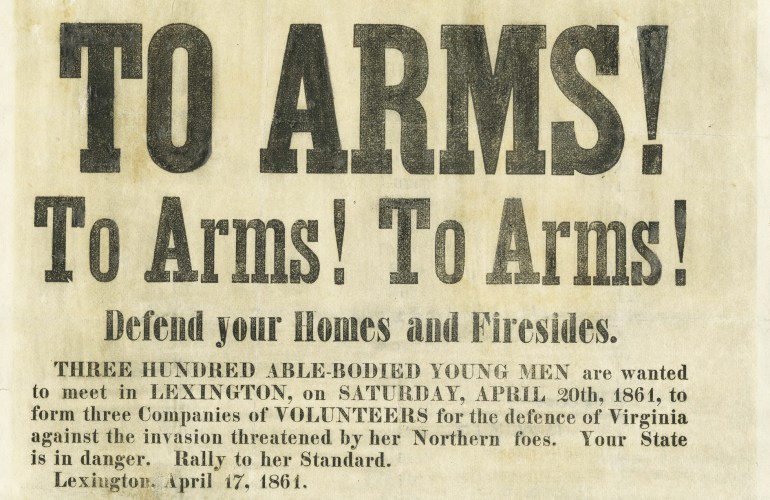
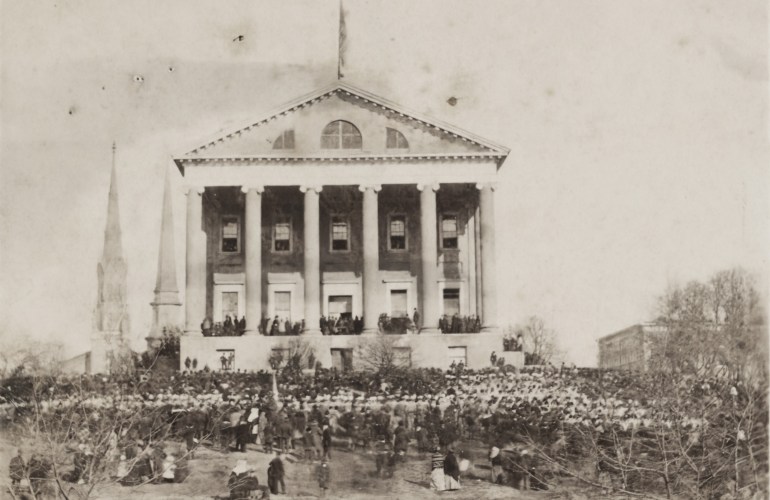
On Tuesday, April 16, 1861, the Virginia Convention in Richmond entered secret session to debate secession and a potential alliance with the Confederate States. The next day, delegates voted 88 to 55 in favor of secession, pending a popular referendum set for May 23. Ten days into the session, on April 25, they approved ordinances…

Photo by M.A. Kleen, Spirit61.info

What Confederate Units were at the Battle of Rich Mountain?

Determining the number of Confederates in the vicinity of Rich Mountain on July 11, 1861 is deceptively simple. There were only three infantry regiments, one cavalry company, and one active artillery battery present. Missing and incomplete records, however, considerably complicate efforts to quantify the Confederate strength. It is tempting to take the figures provided by…

What Confederate Units were at the Battle of Belington / Laurel Hill?

Following the rout at Philippi on June 3, Confederate President Jefferson Davis promoted Robert S. Garnett, adjutant to Robert E. Lee, to brigadier general and placed him in command of the army in the northwest. Garnett, 41, was a former U.S. Army officer and assistant instructor of infantry tactics at West Point. He joined Col.…

Secessionist Forces Involved in the Action at Philippi

As one of the earliest engagements in the American Civil War, the Action at Philippi on June 3, 1861 is clouded in faulty and incomplete information. We owe it to history (and the ancestors of the men involved) to get an accurate picture of who was present on that day, for either side. Today we…

What’s in a Name? Secessionist, Southern, or Confederate?

In the spring of 1861, Virginia was in an ambiguous position. Although its Secession Convention had voted to secede, the state had not yet officially joined the Confederacy. During this period, volunteers rushed to form armed companies, regiments, and batteries, sometimes clashing with federal troops and naval ships. What, then, should we call these state…

Eyewitness Account of the Engagement at Sewell’s Point by a Member of the Columbus City Light Guard

Another eyewitness account of the Engagement at Sewell’s Point appeared in the book The History of Norfolk, Virginia by Harrison W. Burton (1840-1902), a journalist who served in the 1st Virginia Infantry and Otey's Battery during the Civil War. It was simply identified as being written by "a Georgia gentleman" shortly after the fight concluded, dated…

Eyewitness Account of the Engagement at Sewell’s Point by a Member of the Norfolk Light-Artillery Blues

The following eyewitness account of the Engagement at Sewell’s Point appeared in the book The History of Norfolk, Virginia by Harrison W. Burton (1840-1902), a journalist who served in the 1st Virginia Infantry and Otey's Battery during the Civil War. It was written anonymously by a member of the Norfolk Light-Artillery Blues. There is no date…

Patron Exclusive: The Trouble with the Dairy of T. Roberts Baker and Gloucester Point

It was the first time Virginia militia opened fire on federal forces during the American Civil War, weeks before the state’s secession referendum. One private left behind a detailed recollection of this fateful moment, but there is reason to question its accuracy. It serves as a cautionary tale about why all sources should be carefully…

Thomas W. Colley Recollects the Skirmish at Bunker Hill

Like many ex-Confederates, Thomas W. Colley wrote a memoir years after the war. And, like John Singleton Mosby, Colley enlisted in the Washington Mounted Rifles, a storied unit initially led by Capt. William E. “Grumble” Jones. He served with the company for the duration of the war and was wounded several times, ultimately losing a…