Previously, we chronicled the events leading up to the action at Philippi, from April 17 to June 3, 1861. Here, we turn to the 42 days between the secessionist retreat from Philippi and the Federal occupation of the Cheat Mountain summit, a period marked by steady reinforcements on both sides, intermittent clashes as the armies gradually grew closer, and the final confrontations at Rich Mountain and Corrick’s Ford. This period would prove decisive not only for long term Federal control of the region, but ultimately the creation of the State of West Virginia.
Tuesday, June 4
Following the secessionist defeat at Philippi, Col. George A. Porterfield withdraws his force to Huttonsville in Randolph County.
Friday, June 7
Confederate Lt. Col. Jonathan M. Heck and Maj. R. E. Cowan leave Staunton with reinforcements for the northwest, including four 6-pounder brass cannon.
Saturday, June 8
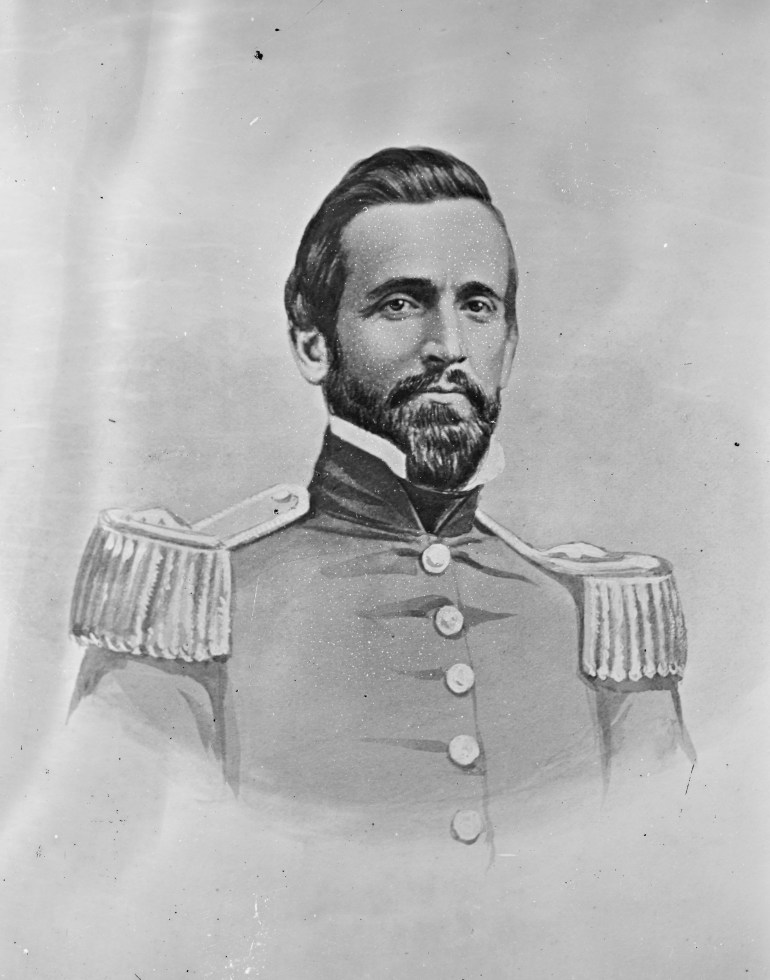
Robert E. Lee’s adjutant, Robert S. Garnett, is promoted to brigadier general and given command of Confederate forces in northwestern Virginia.
Tuesday, June 11
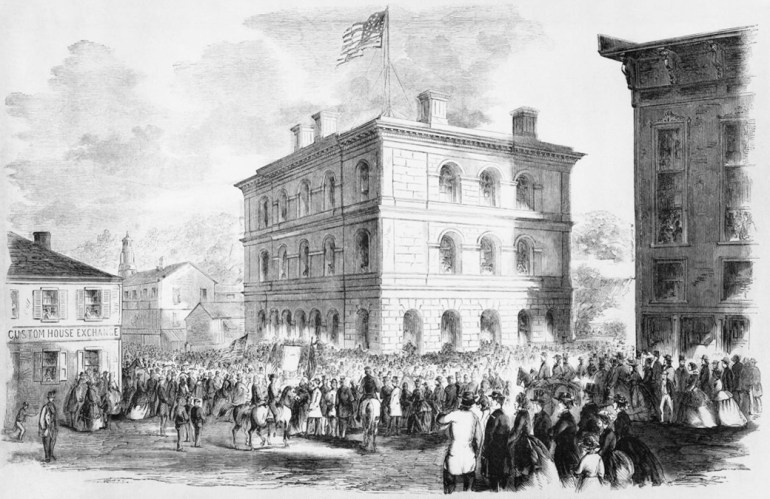
The Second Wheeling Convention opens in Wheeling with 100 delegates representing 34 counties to form a unionist Restored Government of Virginia.
Friday, June 14
Companies from the 14th and 15th Ohio regiments camp at Buckhannon in Upshur County, but are quickly withdrawn due to rumors of an attack. Garnett arrives in Huttonsville to take command.
Saturday, June 15
Heck and Cowan arrive in Huttonsville with their reinforcements. Garnett orders Heck and Lt. Col. William L. Jackson to form two infantry regiments from the assorted volunteer companies.
That night, Union Brig. Gen. Charles W. Hill takes command of Union forces protecting the B&O Railroad at Rowlesburg.
Sunday, June 16
Lt. Col. Jonathan M. Heck with the 25th Virginia Infantry occupies a strong position on the western face of Rich Mountain along the Staunton-Parkersburg Turnpike. Garnett occupies Laurel Hill astride the Beverly-Fairmont Turnpike with the remainder of his force.
Thursday, June 20
The Second Wheeling Convention unanimously elects Francis H. Pierpont as governor of the Restored Government of Virginia, arguing that Governor John Letcher and other state officials have forfeited their offices by embracing secession.
A military court of inquiry at Beverly finds that while Porterfield made mistakes at Philippi, he ultimately was not responsible for the disaster.
Friday, June 21
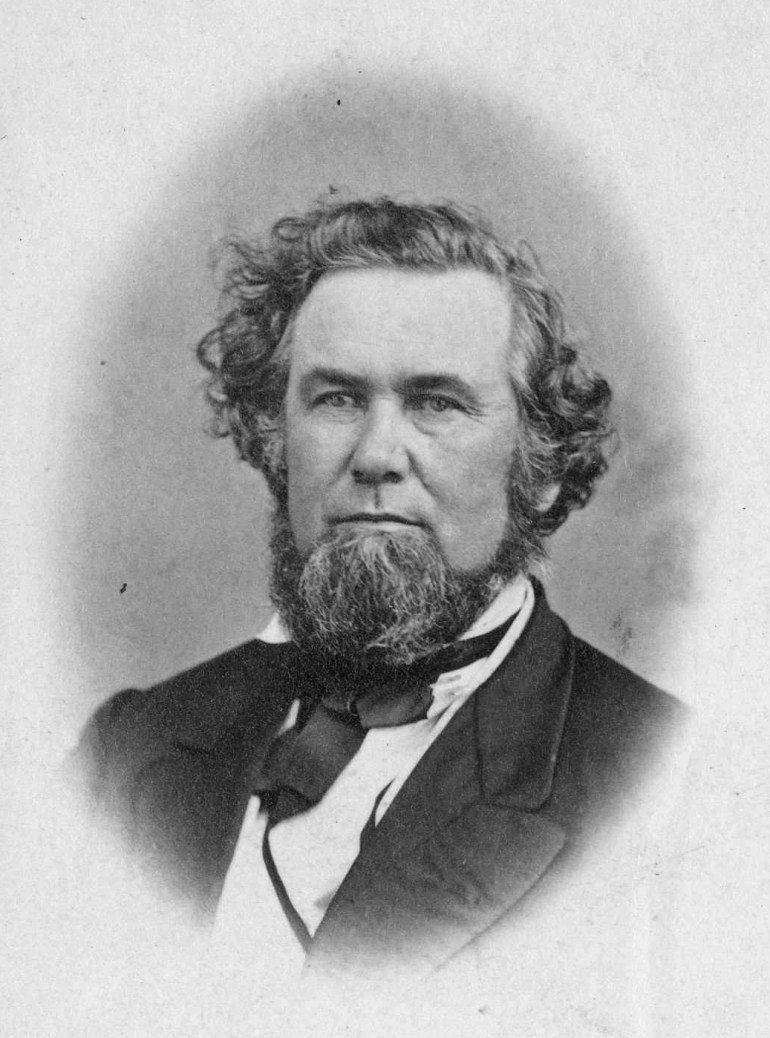
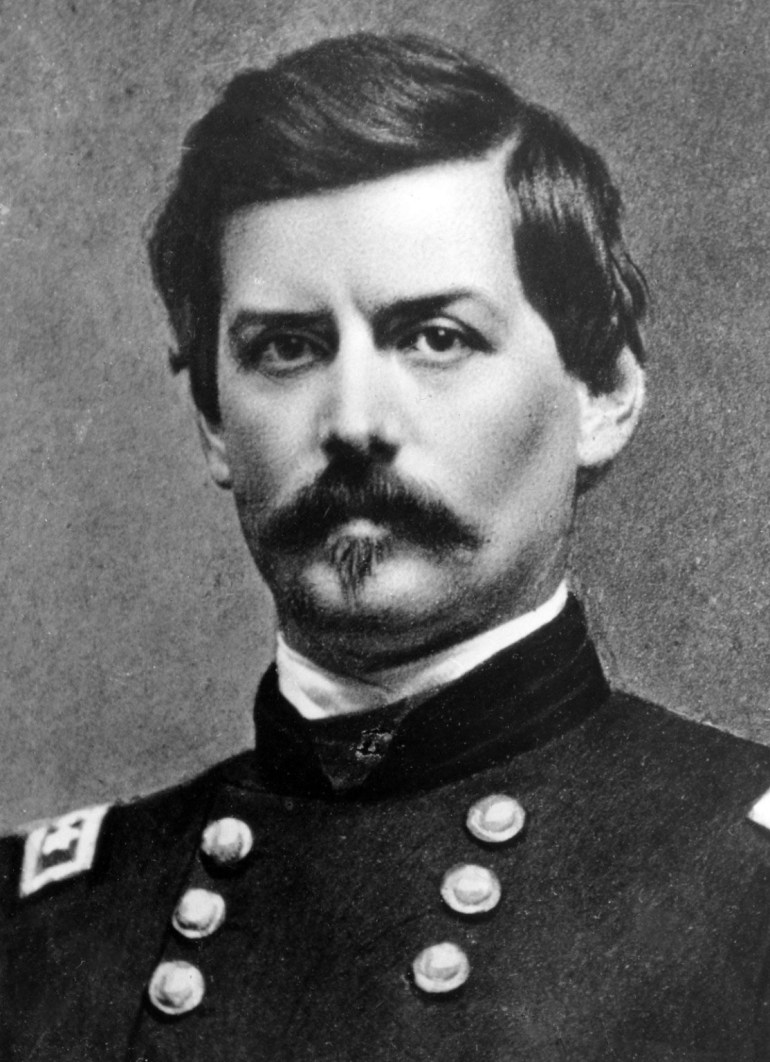
Maj. Gen. George B. McClellan enters Virginia at Parkersburg to take command of Union forces in northwest Virginia.
Men from the 20th Ohio Volunteer Infantry surround the house of secessionist Peter Righter at the Marion/Harrison County line and a firefight erupts.
Sunday, June 23
McClellan arrives in Grafton.
Monday, June 24
The 1st Georgia Infantry Regiment (Ramsey’s) arrives at Camp Laurel Hill.
Tuesday, June 25
Garnett orders Lt. Col. Jonathan M. Heck to take his wagons on a foraging expedition to Buckhannon, approx. 23 miles from the Confederate encampment at Rich Mountain. Colonel Samuel V. Fulkerson and six companies of the 37th Virginia Infantry arrives at Camp Laurel Hill.
Thursday, June 27
Heck’s foraging expedition is attacked by unionist Home Guard in Buckhannon, but no one is hurt. Two members of the Home Guard are captured.
Saturday, June 29
An election is held in Randolph and Tucker counties for delegate to the Restored Government of Virginia. Union forces ambush a Confederate cavalry patrol along the Cheat River, killing Lt. Robert McChesney in Tucker County. McClellan’s advance units reach Buckhannon.
Sunday, June 30
The 7th Ohio Infantry enters Weston and seizes gold earmarked for construction of the Trans-Allegheny Lunatic Asylum to prevent it from falling into Confederate hands. It is used to help fund the Restored Government of Virginia.
Tuesday, July 2
McClellan arrives in Buckhannon. Major Nathanial Tyler and seven companies of the 20th Virginia Infantry arrives at Rich Mountain to reinforce Heck.
Thursday, July 4
Union forces in northwest Virginia celebrate Independence Day.
Saturday, July 6
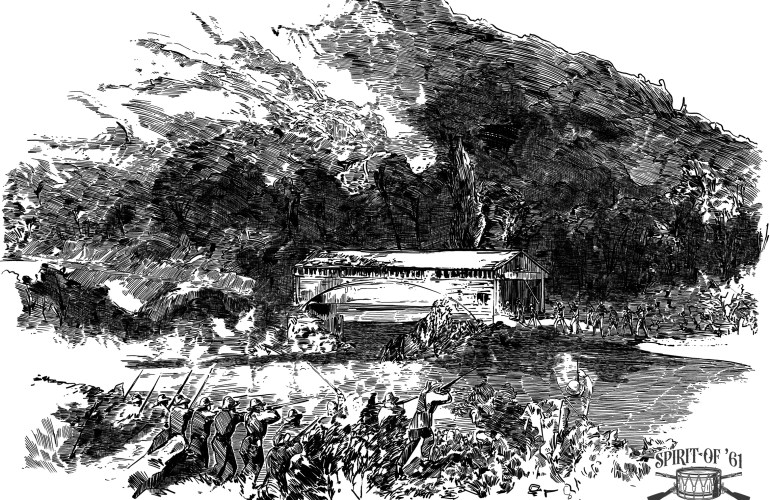
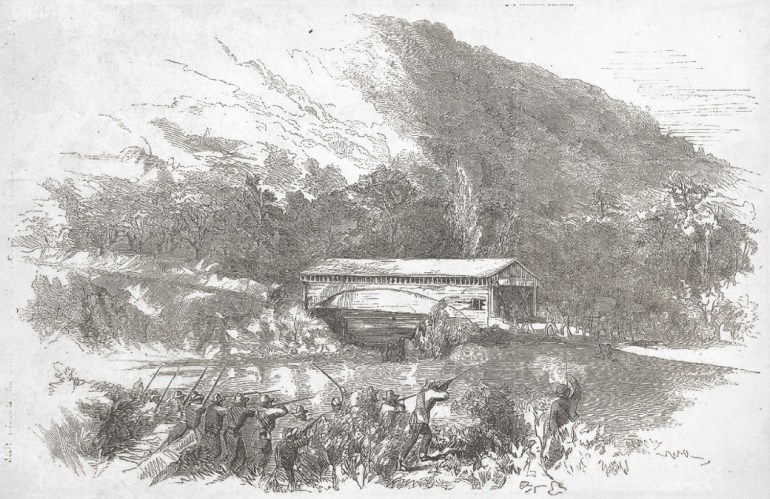
Without consulting McClellan, Brig. Gen. Newton Schleich orders a reconnaissance of Middle Fork Bridge east of Buckhannon on the road to Rich Mountain, resulting in a small but bloody skirmish.
The Pittsylvania Dragoons and Charlotte Cavalry arrive to reinforce Garnett at Laurel Hill.
Sunday, July 7
A Confederate scouting party exchanges fire with George McClellan’s advancing vanguard at Middle Fork Bridge. Lt. Col. John Pegram and the remainder of the 20th Virginia arrives at Rich Mountain, where Pegram takes command.
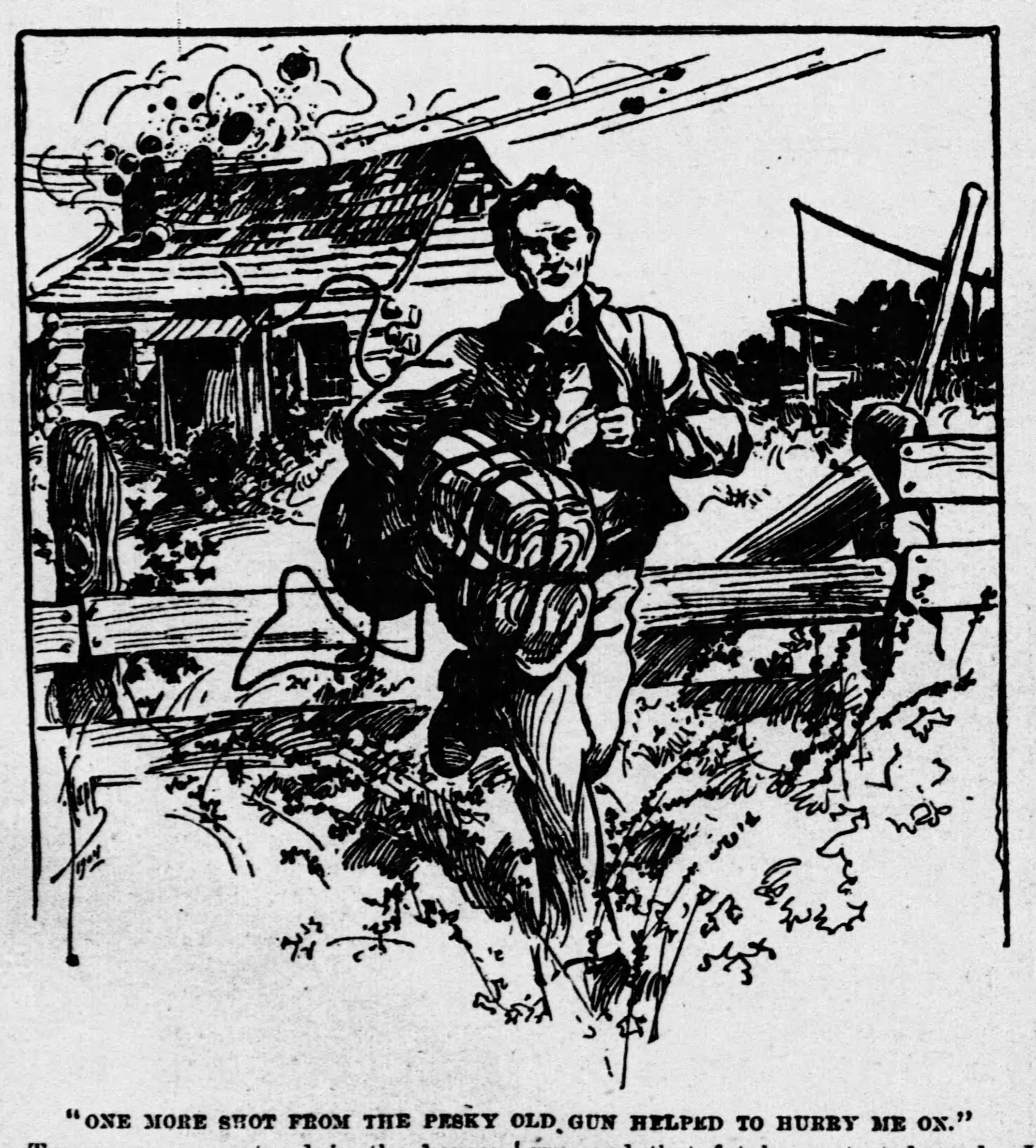
Thomas A. Morris’ Brigade reaches Yeager’s farm in front of Robert S. Garnett’s camp at Laurel Hill and skirmishing ensues. Elements of the 17th Ohio Infantry skirmish with Wise Legion cavalry at Glenville in Gilmer County.
Monday, July 8
Intermittent skirmishing continues around Belington in front of Garnett’s camp at Laurel Hill.
Tuesday, July 9
Intermittent skirmishing continues around Belington in front of Garnett’s camp at Laurel Hill.
Waitman T. Willey and John S. Carlile are seated in the U.S. Senate on behalf of the Restored Government.
That evening, McClellan arrives at Roaring Creek at the base of Rich Mountain.
Wednesday, July 10
McClellan conducts a reconnaissance in force against the Confederate fortifications on Rich Mountain. Intermittent skirmishing continues around Belington in front of Garnett’s camp at Laurel Hill.
Thursday, July 11
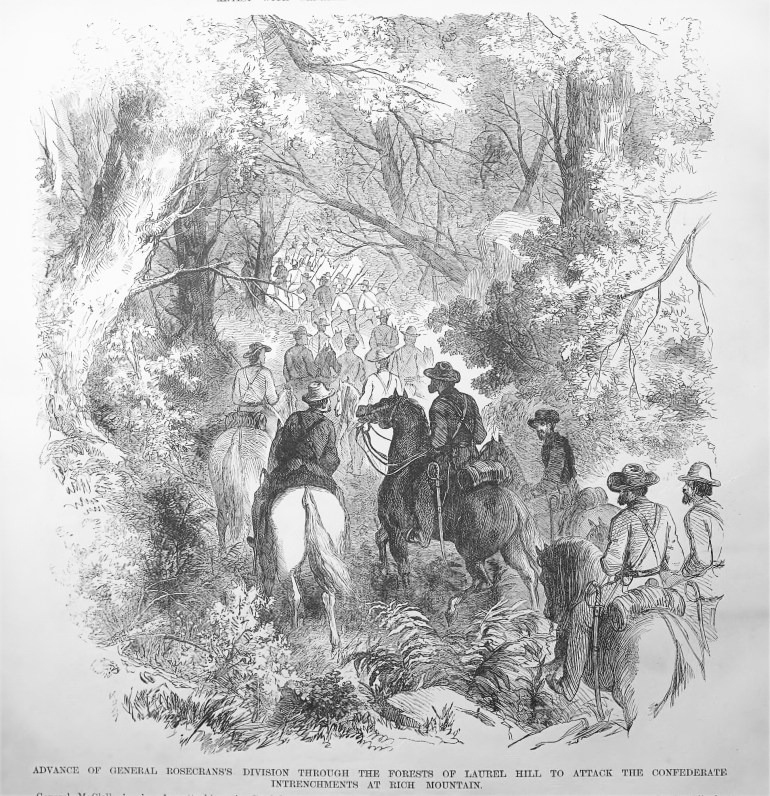
Union forces commanded by Brig. Gen. William Rosecrans flank and surprise Confederates at the Battle of Rich Mountain.
That evening, Garnett receives word of the defeat at Rich Mountain and evacuates Laurel Hill, but due to a misunderstanding, turns north instead of going to Beverly.
Friday, July 12
Lt. Col. John Pegram offers to surrender his entire command at Beverly when he finds himself cut off.
Saturday, July 13
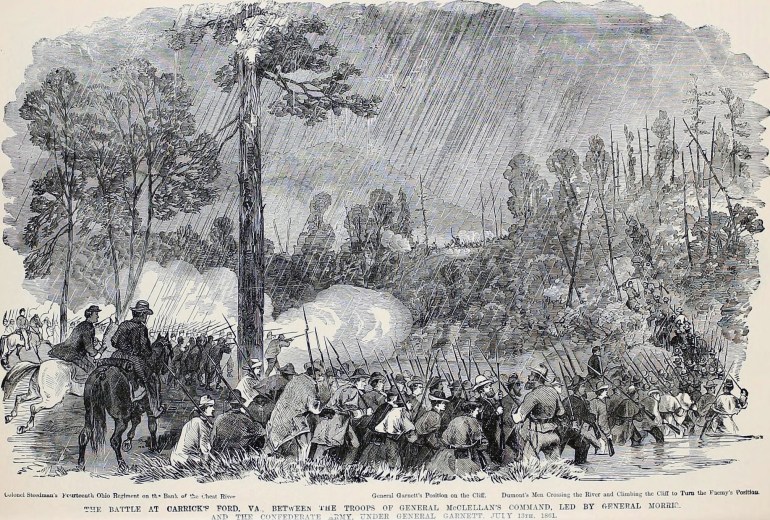
McClellan accepts Pegram’s surrender. Confederate Brig. Gen. Robert S. Garnett is killed directing his men across Corrick’s Ford on Shavers Fork of the Cheat River.
Tuesday, July 16
Union forces begin establishing Fort Milroy at White Top on Cheat Mountain in Randolph County, astride the Staunton-Parkersburg Turnpike.
Sources
Brock, R.A., Ed. “A Narrative of the Service of Colonel Geo. A. Porterfield in Northwestern Virginia in 1861-‘2.” Southern Historical Society Papers. Vol. 16 (Richmond: Southern Historical Society, 1888): 82-91.
Haselberger, Fritz. Yanks from the South! The First Land Campaign of the Civil War. Baltimore: Past Glories, 1987.
Leslie, Frank. The Soldier in Our Civil War: A Pictorial History of the Conflict, 1861-1865, Illustrating the Valor of the Soldier as Displayed on the Battle Field. Vol. 1. New York: Stanley Bradley Publishing Company, 1893.
McClellan, George B. Report of the Organization and Campaigns of the Army of the Potomac: to Which is Added an Account of the Campaign in Western Virginia. New York: Sheldon & Company, 1864.
National Tribune (Washington, DC) 3 March 1904.
Rosecrans, William S. “The Battle of Rich Mountain” in Battles and Leaders of the Civil War, Vol. 6. Champaign: University of Illinois Press, 2004.
Skidmore, Richard S., ed., The Civil War Journal of Billy Davis from Hopewell, Indiana to Port Republic, Virginia. Greencastle: The Nugget Publishers, 1989.
Taliaferro, William B. “Folly and Fiasco in West Virginia” in Battles and Leaders of the Civil War, Vol. 5. Champaign: University of Illinois Press, 2002.
The War of the Rebellion: A Compilation of the Official Records of the Union and Confederate Armies. Series I, Vol. II. With additions and corrections. Washington: Government Printing Office, 1902.
The War of the Rebellion: A Compilation of the Official Records of the Union and Confederate Armies. Series I, Vol. LI, Part I. With additions and corrections. Washington: Government Printing Office, 1902.


