Morris, Garnett, and the Fight for Belington, July 7-11, 1861

In July 1861, Union forces under Brig. Gen. Thomas A. Morris spent five days skirmishing with Robert S. Garnett’s Confederates around the small hamlet of Belington, fixing them in place while George B. McClellan struck at Rich Mountain. Though largely indecisive on its own, the fighting helped set the stage for the campaign’s decisive turning…

What Confederate Units were at the Battle of Belington / Laurel Hill?

Following the rout at Philippi on June 3, Confederate President Jefferson Davis promoted Robert S. Garnett, adjutant to Robert E. Lee, to brigadier general and placed him in command of the army in the northwest. Garnett, 41, was a former U.S. Army officer and assistant instructor of infantry tactics at West Point. He joined Col.…

What Federal Units were at the Battle of Belington / Laurel Hill?

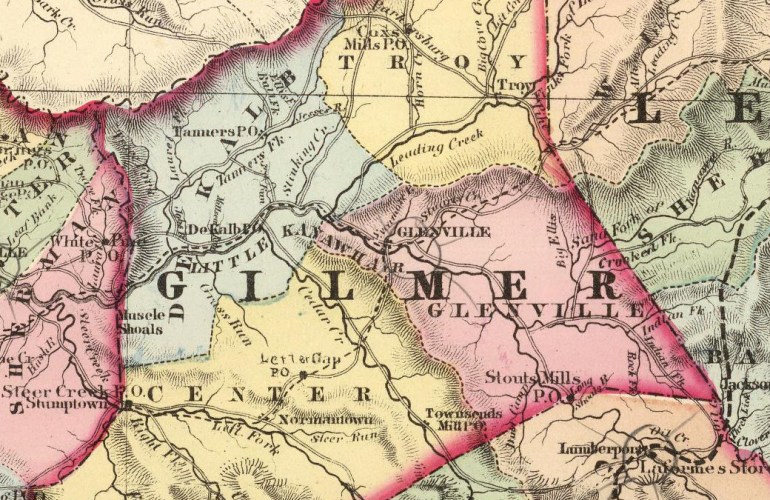
On July 6, 1861, Maj. Gen. George B. McClellan ordered Brig. Gen. Thomas A. Morris to advance on Confederate Brig. Gen. Robert S. Garnett’s position on Laurel Hill, near the small hamlet of Belington, also spelled Bealington or Beelington. McClellan instructed Morris to occupy a position “on the south side of Barker’s Mill Run, on…

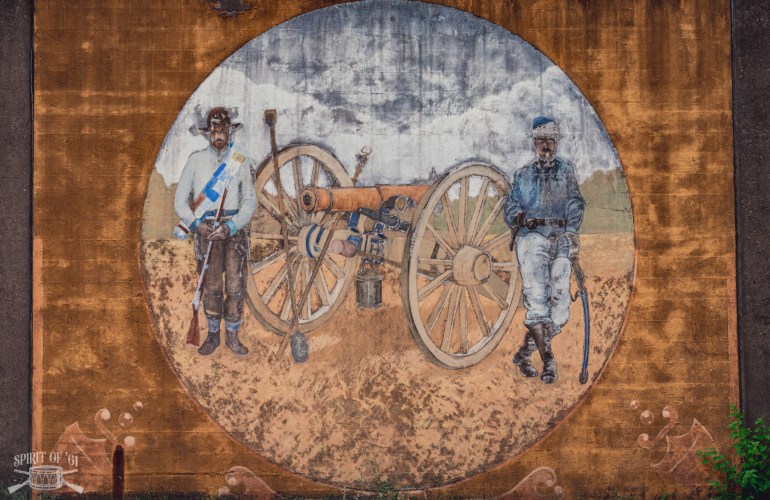
Photo by M.A. Kleen, Spirit61.info

Previous Belington / Laurel Hill Research

The Battle of Belington / Laurel Hill was fought from Sunday, July 7 to Thursday, July 11, 1861 between Union forces commanded by Brig. Gen. Thomas A. Morris and Confederate forces commanded by Brig. Gen. Robert S. Garnett in what is today Barbour County, West Virginia. It involved around 8,000 Union and Confederate soldiers. Over…

SVBF: The Wrong Uniform Color – Battle of Hoke’s Run

Last July, Shenandoah Valley Battlefields (SVBF) produced an excellent short video on the Battle of Hoke's Run, specifically the actions on the Confederate left flank where J.E.B. Stuart almost single-handedly captured a Union company. The presenter does a good job of breaking it down, but I wish they would have shown more footage of the…

Thomas W. Colley Recollects the Skirmish at Bunker Hill

Like many ex-Confederates, Thomas W. Colley wrote a memoir years after the war. And, like John Singleton Mosby, Colley enlisted in the Washington Mounted Rifles, a storied unit initially led by Capt. William E. “Grumble” Jones. He served with the company for the duration of the war and was wounded several times, ultimately losing a…

Mosby Sheds Light on What Happened Outside of Martinsburg on July 11, 1861

During the American Civil War, John Singleton Mosby became a famous (or infamous) partisan leader in northern Virginia. The "Gray Ghost" vexed Union commanders and wreaked havoc behind the lines. But in the spring and summer of 1861, he was a private in the Washington Mounted Rifles, a cavalry company in J.E.B. Stuart's 1st Virginia…

What if There had Been a Battle at Winchester in July 1861?

One of the fun aspects of studying history is imagining how events might have unfolded differently. The consequences of those changes can range from trivial to altering the course of an entire war. A major “what if” of the early Civil War is how the First Battle of Bull Run might have unfolded if Joseph…