Ninety Days to Nowhere: Bunker Hill and the Lost Opportunity at Winchester

In July 1861, a series of sharp skirmishes between 90-day Union volunteers and J. E. B. Stuart’s cavalry outside the village of Bunker Hill convinced Federal commanders that Joseph E. Johnston still stood between them and Winchester. That misjudgment helped shape the movements that allowed Confederate reinforcements to reach Manassas in time. At the beginning…

What happened at Bunker Hill? Detecting this early Civil War skirmish in the Shenandoah

In early July 1861, Union Major General Robert Patterson’s army (largely three-month Pennsylvania volunteers, about 18–25,000 strong) occupied Martinsburg in the Shenandoah Valley. After a minor clash at Falling Waters (Hoke’s Run) on July 2, Patterson remained inactive for nearly two weeks. Opposite him, Confederate General Joseph E. Johnston had moved his forces (approximately 10–12,000)…

Caught on the Road to Martinsburg: Private Sly and a Costly Lesson in the Shenandoah

On a hot July morning in 1861, a forage run five miles from Martinsburg turned into a brief, deadly clash that left one Union soldier dead and two in Confederate hands. Acting under pressure from the War Department in Washington, DC, after one false start and with 90-day enlistments about to expire, scant artillery, and…

Uncovering the Action at Martinsburg

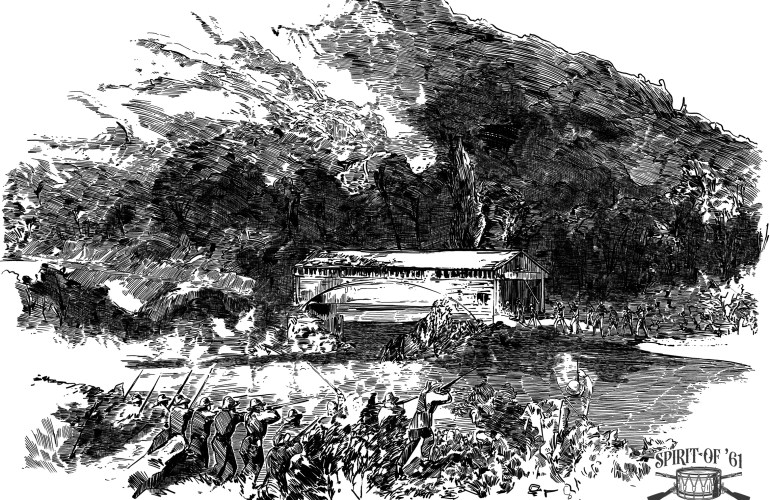
On July 11, 1861, somewhere south of Martinsburg, (West) Virginia, a Union foraging party encountered Confederate cavalry. A sharp fight erupted and one Union soldier was killed. The details of this nearly forgotten incident are hazy at best. Join us as we dig into the sources and piece together what happened over 164 years ago.…

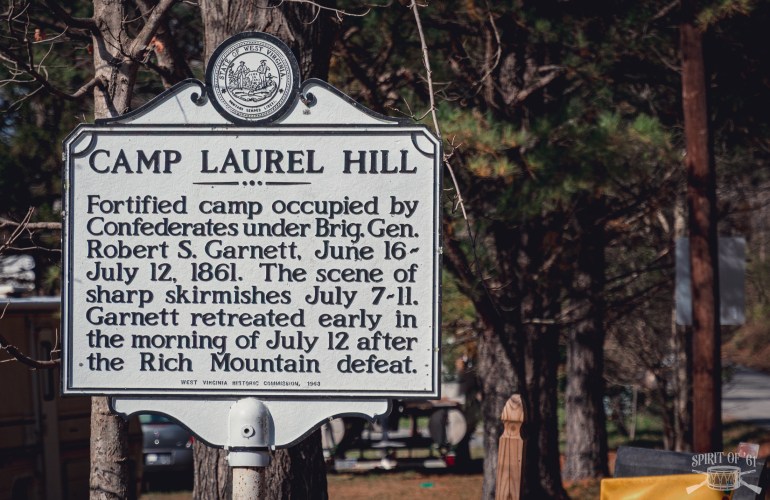
Photo by M.A. Kleen, Spirit61.info

Holding the Line at Hoke’s Run: Jackson’s First Test in the Shenandoah Valley

When a quiet morning along the Potomac suddenly broke into a sharp, unexpected fight near Falling Waters, the resulting engagement helped determine the opening moves of the Civil War in the Shenandoah Valley. The Shenandoah Valley lies between the Appalachians and Blue Ridge Mountains, its fertile soil shaped by the twin branches of the Shenandoah…

Organizing for War: Governor John Letcher’s July 13, 1861 Militia Proclamation

In mid-July 1861, just weeks after Virginia’s formal entry into the Confederate States of America, Governor John Letcher issued a sweeping proclamation calling for the mobilization of militia forces in response to a troop requisition from Confederate President Jefferson Davis. The proclamation, dated July 13, targeted specific regions of the Commonwealth: counties north of the…

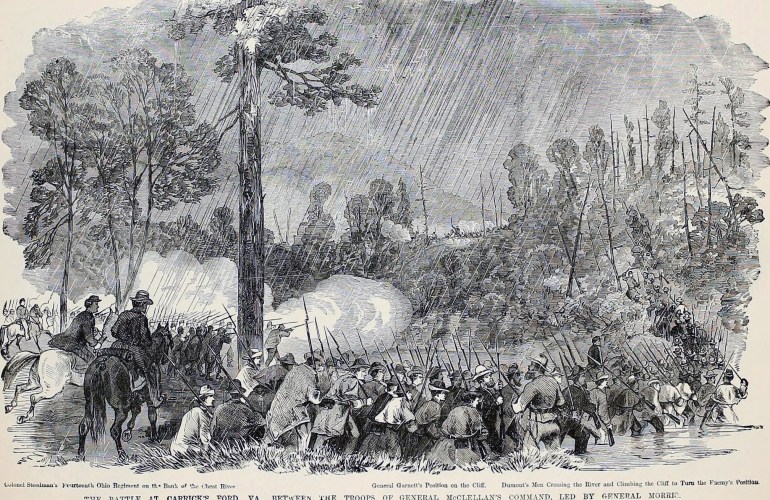
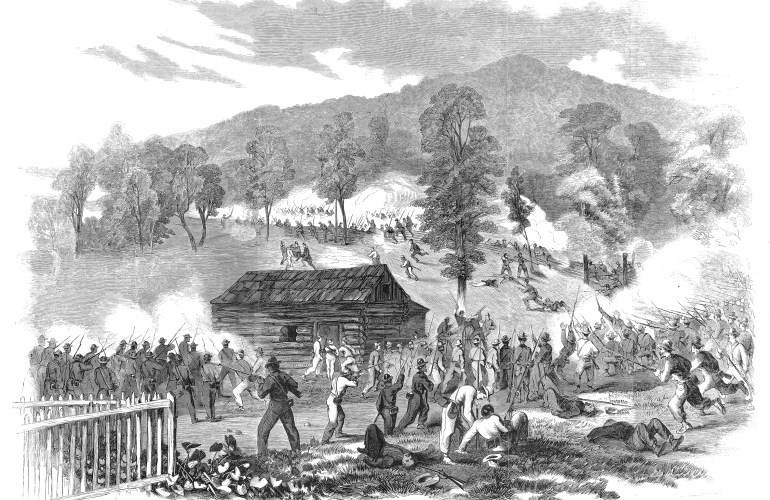
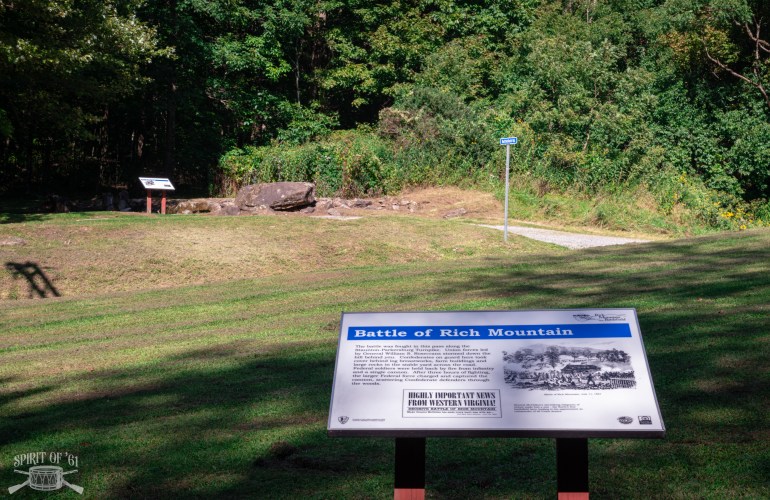
The Battle of Rich Mountain, Part 1 (1999 Reenactment Video)

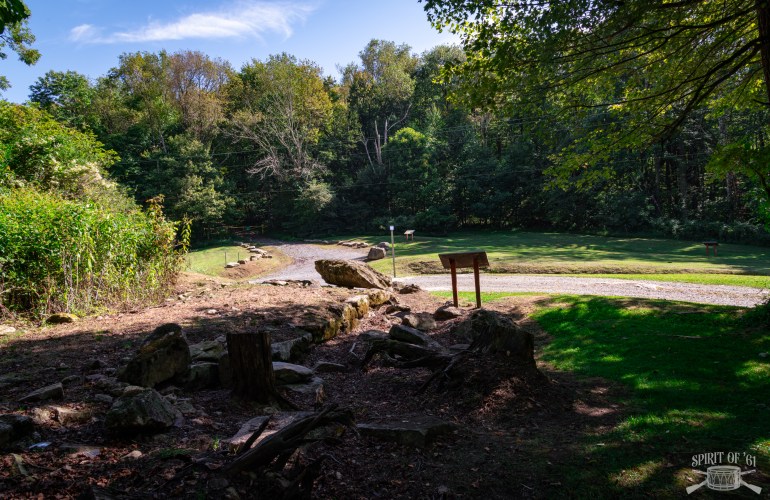
https://www.youtube.com/watch?v=n_-ygaZqJ6I I recently stumbled upon this amateur video taken at a reenactment of the July 11, 1861 Battle of Rich Mountain in what is today Randolph County, West Virginia. The video features an interview with Phyllis Baxter of the Rich Mountain Battlefield Foundation and some of the reenactors, as well as footage of the skirmish.…

Holding the Line: Robert Rodes’ Stand at Farr’s Crossroads

On July 17, 1861, as Union forces advanced on Fairfax Court House, Col. Robert E. Rodes' 5th Alabama Infantry Regiment engaged in a fierce skirmish at Farr's Crossroads, delaying Col. Dixon S. Miles' division long enough to secure a safe Confederate withdrawal behind Bull Run. While Brig. Gen. Milledge Bonham's retreat from Fairfax was widely…

A Costly Lesson at Blackburn’s Ford

Though minor in comparison to the clash that would erupt at Bull Run days later, the fight at Blackburn’s Ford rattled Union confidence and emboldened Confederate troops. With McDowell now seeking another route forward, the war’s first major battle loomed just beyond the horizon. Confederate Brig. Gen. Pierre Gustave Toutant-Beauregard arrived at Manassas Junction on…

Outpost Watching Falls Church, Virginia, 1861

This pencil drawing by famed artist Alfred Rudolph Waud (1828-1891) depicts a Union artillery piece and camp of 2nd United States Cavalry, Company B, led by Lieutenant Charles H. Tompkins, near Falls Church, Virginia on July 1, 1861. Exactly one month earlier, Tompkins led a chaotic reconnaissance on Fairfax Court House, in which several of…