Off to War with the Liberty Hall Volunteers: The Early War Experiences of a Virginia College Company

By Jeffrey A. Felton At the outbreak of the American Civil War, many college students enlisted in volunteer companies. Examples of these companies range from the University Greys from the University of Mississippi who became Company A, 11th Mississippi Infantry, to the students from Hampden-Sydney College in Virginia who raised a militia company, fought at…
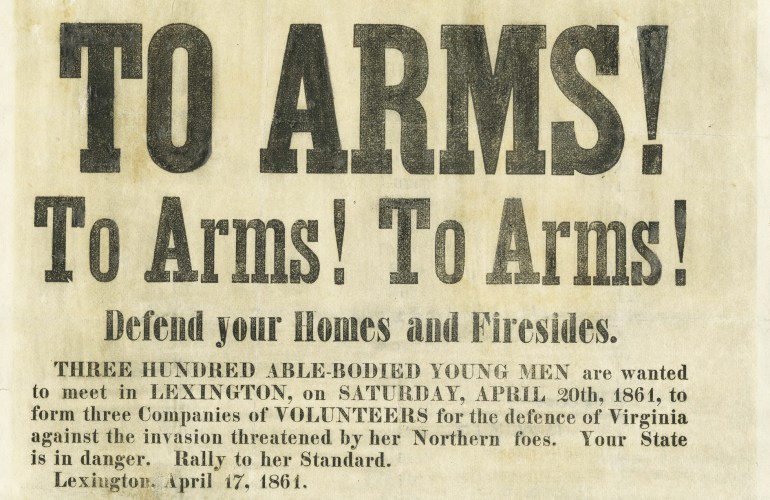
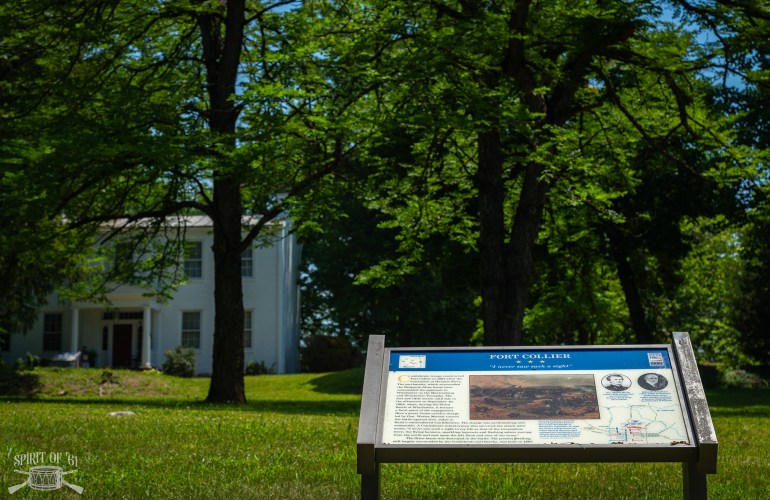
Photo by M.A. Kleen, Spirit61.info

Building Fort Collier: Confederate Engineers and the Defense of Winchester

Long before the Third Battle of Winchester, Fort Collier began as a desperate Confederate effort to defend the Lower Shenandoah Valley during the opening months of the Civil War. Discover how Joseph E. Johnston, engineer William H.C. Whiting, and local Virginia militia transformed Isaac Stine’s farm into a strategic stronghold that still survives today as…

What if There had Been a Battle at Winchester in July 1861?

One of the fun aspects of studying history is imagining how events might have unfolded differently. The consequences of those changes can range from trivial to altering the course of an entire war. A major “what if” of the early Civil War is how the First Battle of Bull Run might have unfolded if Joseph…

Ninety Days to Nowhere: Bunker Hill and the Lost Opportunity at Winchester

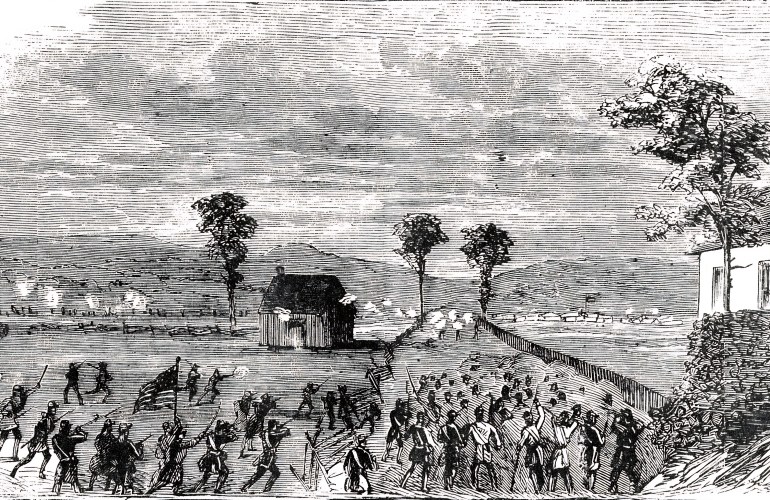
In July 1861, a series of sharp skirmishes between 90-day Union volunteers and J. E. B. Stuart’s cavalry outside the village of Bunker Hill convinced Federal commanders that Joseph E. Johnston still stood between them and Winchester. That misjudgment helped shape the movements that allowed Confederate reinforcements to reach Manassas in time. At the beginning…

What happened at Bunker Hill? Detecting this early Civil War skirmish in the Shenandoah

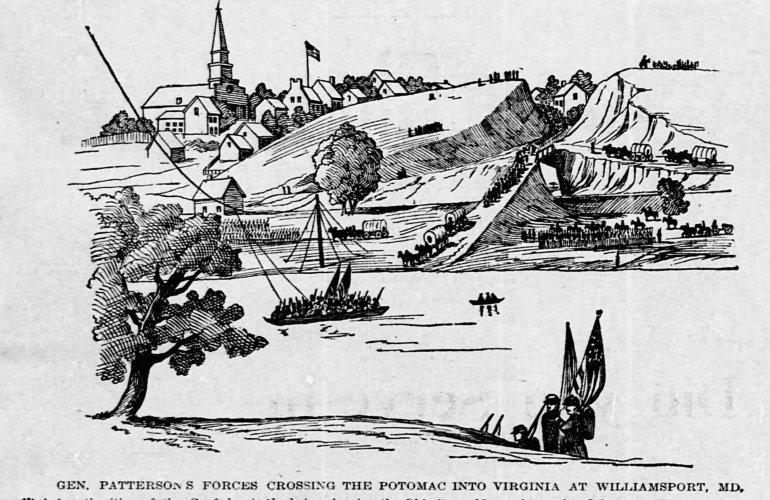
In early July 1861, Union Major General Robert Patterson’s army (largely three-month Pennsylvania volunteers, about 18–25,000 strong) occupied Martinsburg in the Shenandoah Valley. After a minor clash at Falling Waters (Hoke’s Run) on July 2, Patterson remained inactive for nearly two weeks. Opposite him, Confederate General Joseph E. Johnston had moved his forces (approximately 10–12,000)…

Caught on the Road to Martinsburg: Private Sly and a Costly Lesson in the Shenandoah

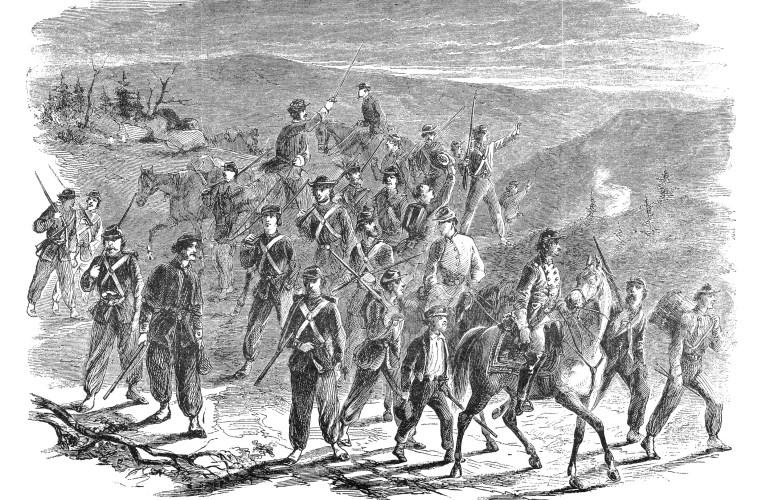
On a hot July morning in 1861, a forage run five miles from Martinsburg turned into a brief, deadly clash that left one Union soldier dead and two in Confederate hands. Acting under pressure from the War Department in Washington, DC, after one false start and with 90-day enlistments about to expire, scant artillery, and…

Photo by M.A. Kleen, Spirit61.info

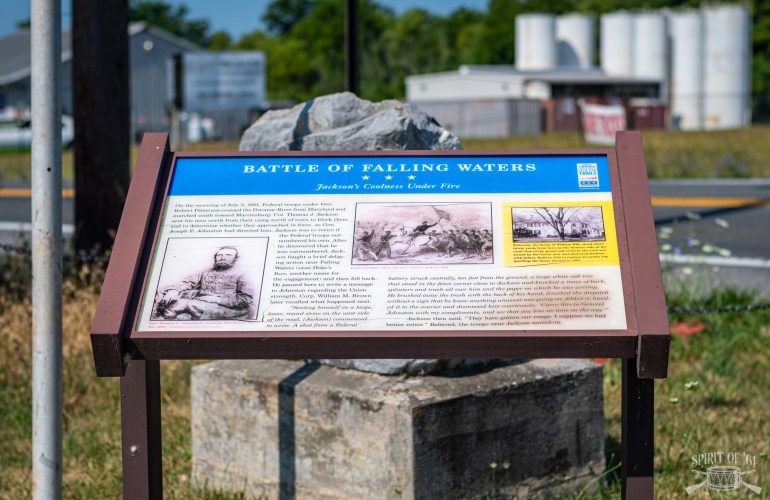
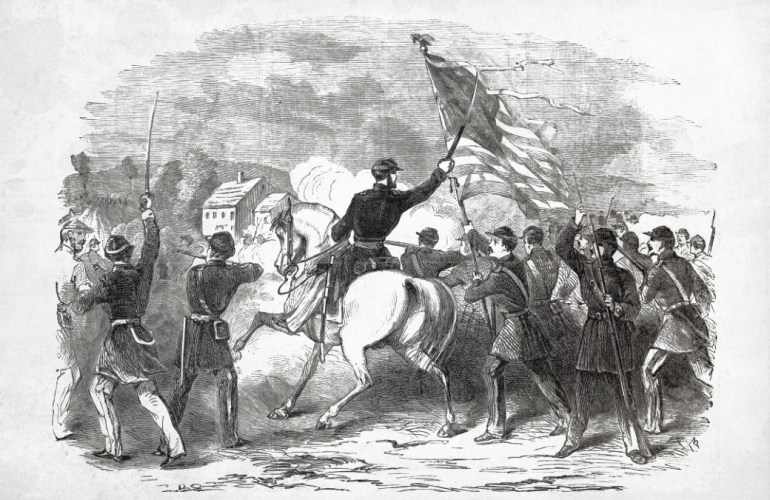
Holding the Line at Hoke’s Run: Jackson’s First Test in the Shenandoah Valley

When a quiet morning along the Potomac suddenly broke into a sharp, unexpected fight near Falling Waters, the resulting engagement helped determine the opening moves of the Civil War in the Shenandoah Valley. The Shenandoah Valley lies between the Appalachians and Blue Ridge Mountains, its fertile soil shaped by the twin branches of the Shenandoah…

Lower Shenandoah Timeline

Events in Virginia's Lower Senandoah Valley* during the spring and summer of 1861 were confusing at best, with marches and counter-marches as Maj. Gen. Robert Patterson's Department of Pennsylvania army sought to confront Confederate Brig. Gen. Joseph E. Johnston's Army of the Shenandoah and prevent him from reinforcing P.G.T. Beauregard at Manassas Junction. Only one…

Resignation Letter of Joseph E. Johnston

Joseph Eggleston Johnston (1807-1891) grew up in Abingdon, Virginia, son of Judge Peter Johnston, Jr. He graduated from the U.S. Military Academy at West Point in 1929, in the same class as Robert E. Lee. He left the Army for a brief period, then re-joined as a first lieutenant and served with distinction in the…

Illustration of Joseph E. Johnston

Joseph Eggleston Johnston (1807-1891) grew up in Abingdon, Virginia, son of Judge Peter Johnston, Jr. He graduated from the U.S. Military Academy at West Point in 1929, in the same class as Robert E. Lee. He left the Army for a brief period, then re-joined as a first lieutenant and served with distinction in the…