In the spring and summer of 1861, the nation tore itself apart. Maryland and Virginia stood on the front lines, with the Potomac River between them threatening to become an international border. In Washington, military planners quickly recognized the importance of securing the Potomac west of the nation’s capital and protecting the vital Baltimore & Ohio Railroad. Success or failure would shape the course of the war, yet it remains one of the conflict’s most overlooked chapters.
Though separated from the Shenandoah Valley by rugged mountains and rocky rivers, this remote corner of Virginia played an outsized role in the larger campaign and had a direct effect on events in the Valley. Men and units that would later become household names, including Lew Wallace, Turner Ashby, and the Pennsylvania Bucktails, received their first taste of combat here. In many respects, the region served as a proving ground for the struggles that lay ahead.
The following timeline explains key events in and around Hampshire County, Virginia and Allegany County, Maryland from May 23 to July 27, 1861.
Thursday, May 23
Virginia voters overwhelmingly ratify the Ordinance of Secession. In Hampshire County, 1,188 residents vote to leave the Union, while 788 are opposed.
Tuesday, May 28
Secessionists burn the Baltimore & Ohio (B&O) Railroad bridges over Patterson’s Creek in northern Hampshire County, along with the pump house and the 131-foot span over the canal at the North Branch Potomac River.
Tuesday, June 4
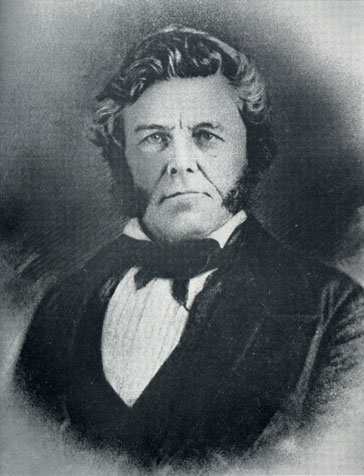
General Robert E. Lee orders Col. Angus W. McDonald to report to Brig. Gen. Joseph E. Johnston with his cavalry regiment and tasked him with disrupting the B&O, including destroying the Tray Run Viaduct over the Cheat River near Rowlesburg.

Thursday, June 6
Major General Robert Patterson orders Col. Lewis “Lew” Wallace and the 11th Indiana Infantry Regiment to defend Cumberland, Maryland and the B&O Railroad in its vicinity.
Tuesday, June 11
Wallace and the 11th Indiana begin setting up Camp McGinnis in Cumberland.
Wednesday, June 12
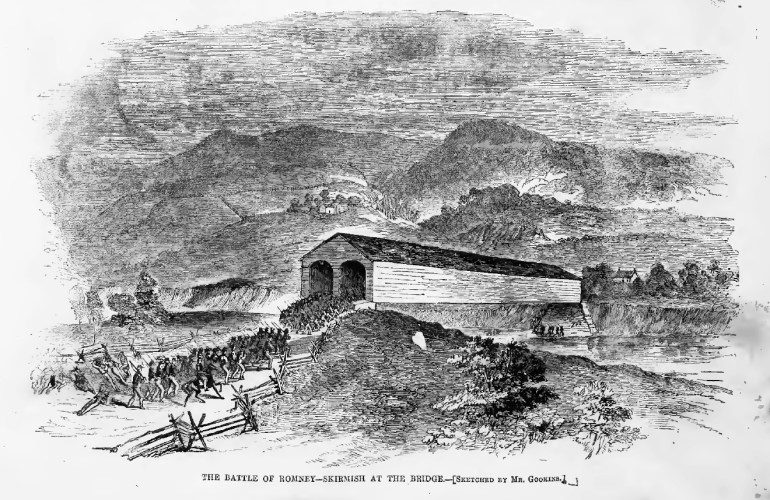
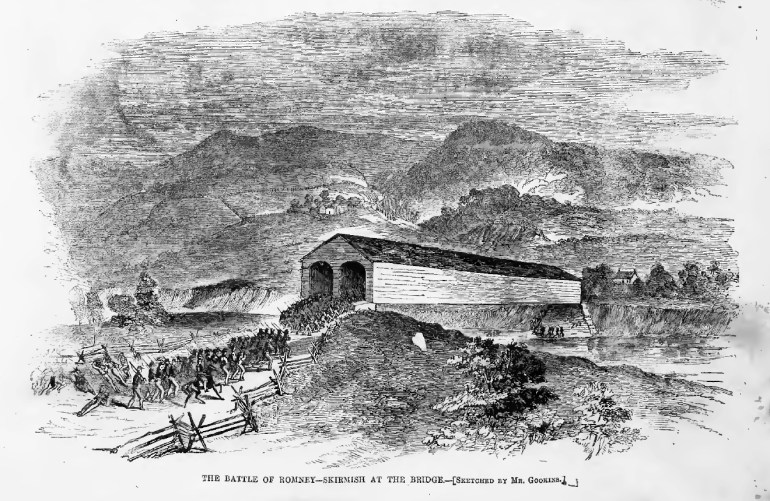
Wallace and the 11th Indiana drive Confederate forces away from Romney, Virginia but return to Cumberland that evening.
Monday, June 17
Colonel Ambrose Powell Hill reoccupies Romney with the 3rd Tennessee Infantry, 10th Virginia Infantry, and Hill’s own 13th Virginia Infantry.
Tuesday, June 18
A detachment of Col. Angus W. McDonald’s regiment, the 7th Virginia Cavalry, burns the unguarded railroad bridge over the Little Cacapon River in northeastern Hampshire County.
Wednesday, June 19
Detachments from the 3rd Tennessee and 13th Virginia Infantry Regiments, led by Col. John C. Vaughn of the 3rd TN, burn railroad Bridge No. 21 over the Potomac River northeast of New Creek Station. McDonald’s regiment arrives in Romney to relieve A.P. Hill.
Wednesday, June 26
A mounted patrol from the 11th Indiana led by Cpl. David B. Hay gets into a running gunfight with a patrol from the 7th Virginia Cavalry at Dan’s Run and Kelly’s Island. Confederate Captain Richard Ashby is mortally wounded.
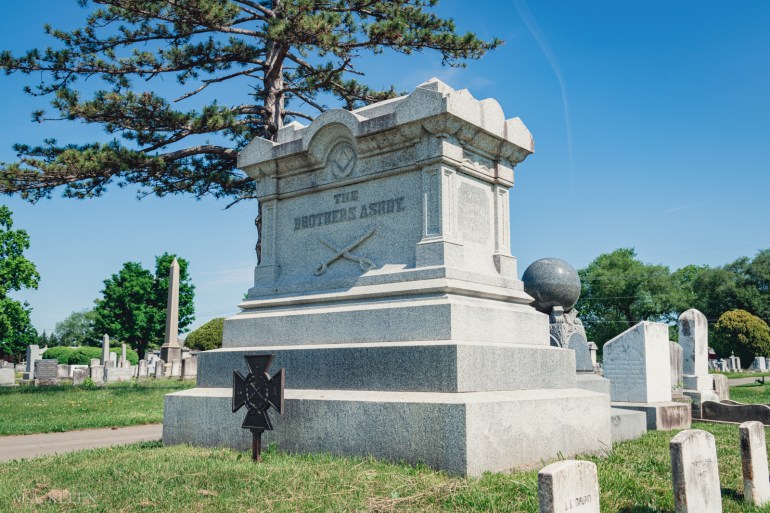
Wednesday, July 3
Richard Ashby dies at Ridgedale, home of George W. Washington, five and a half miles north of Romney.
Sunday, July 7
Wallace and the 11th Indiana depart Cumberland for the Lower Shenandoah Valley. The 13th and 5th Pennsylvania Reserve Regiments, along with Battery A of the 1st Pennsylvania Artillery, all under the command of Col. Charles J. Biddle, replace them.
Friday, July 12
McDonald and a detachment of the 7th Virginia Cavalry destroys train cars and two trestle bridges over George’s Creek on the Maryland side of the Potomac, north of Piedmont, Virginia. Union Lt. Col. Thomas L. Kane leads sixty dismounted scouts down the George’s Creek Valley towards Piedmont

Saturday, July 13
Biddle moves his regiment and the 5th Pennsylvania Reserves by rail to the ruins of Bridge No. 21. From there, two companies of the 13th PA Reserves “Bucktails” march to New Creek Station but are relieved by Kane’s scouts.
Sunday, July 14
Kane’s scouts, occupying the Armstrong House, get into a skirmish with Confederate cavalry at New Creek and pursue them to the southeast. Meanwhile, Biddle detaches three companies to occupy Piedmont.
Monday, July 15
This evening, Confederate videttes skirmish with Union pickets in the mountains east of Piedmont but withdraw after hearing the sound of a train approaching from the west.
Tuesday, July 16
Detachments of the 20th and 22nd Ohio Infantry regiments arrive at New Creek Station, intending to move south to cut off Confederates retreating from their defeat at Corrick’s Ford. Biddle fords the North Branch of the Potomac River to reach Kane’s scouts, who fortified a house along the Northwestern Turnpike west of Romney.
Wednesday, July 17
Brigadier General Joseph E. Johnston orders Angus McDonald to withdraw his entire regiment to Winchester, abandoning the Romney area.
Thursday, July 25
Bridge No. 21 reopens, restoring uninterrupted rail service between Wheeling and Cumberland.
Saturday, July 27
Biddle’s brigade of Pennsylvania Reserves is ordered to return to Harrisburg in the aftermath of Union defeat at the Battle of Bull Run.
Sources
Armstrong, Richard L. 7th Virginia Cavalry. The Virginia Regimental History Series. Lynchburg: H.E. Howard, Inc., 1992.
Avirett, James B. The Memoirs of General Turner Ashby and His Compeers. Baltimore: Selby & Dulany, 1867.
Bates, Samuel P. History of Pennsylvania Volunteers, 1861-5. Harrisburg: B. Singerly, State Printer, 1869.
Haselberger, Fritz. “Wallace’s Raid on Romney in 1861.” West Virginia History 27 (January 1966): 97-110.
Haselberger, Fritz and Mark. “The Burning of the 21st Bridge at New Creek.” West Virginia History 27 (October 1965): 56-64.
McDonald, William N. A History of the Laurel Brigade. Baltimore: Kate S. McDonald, 1907.
Oats, Dan, ed. Hanging Rock Rebel: Lt. John Blue’s War in West Virginia and the Shenandoah Valley. Shippensburg: Burd Street Press, 1994.
Sauers, Richard A. The Devastating Hand of War: Romney, West Virginia During the Civil War. Gauley Mount Press, 2000.
Sypher, Josiah R. History of the Pennsylvania Reserve Corps. Lancaster: Elias Barr & Co., 1865.
Thirty-Fifth Annual Report of the President and Directors to the Stockholders of the Baltimore and Ohio Railroad Company, for the Year Ending September 30, 1861. William M. Innes, 1863.
Thomas, James Walter and T.J. Williams. History of Allegany County, Maryland, Vol. 1. L.R. Titsworth & Co., 1923. Baltimore: Regional Publishing Company, 1969.
Thomson, O.R. Howard and William H. Rauch. History of the “Bucktails” Kane Rifle Regiment of the Pennsylvania Reserve Corps (13th Pennsylvania Reserves, 42nd of the Line). Philadelphia: Electric Printing Company, 1906.
Wallace, Lewis. Lew Wallace: An Autobiography, Vol. I. New York: Harper & Brothers, 1906.
The War of the Rebellion: A Compilation of the Official Records of the Union and Confederate Armies. Series I, Vol. II. With additions and corrections. Washington: Government Printing Office, 1902.


