Skirmishes at Dan’s Run and Kelley’s Island

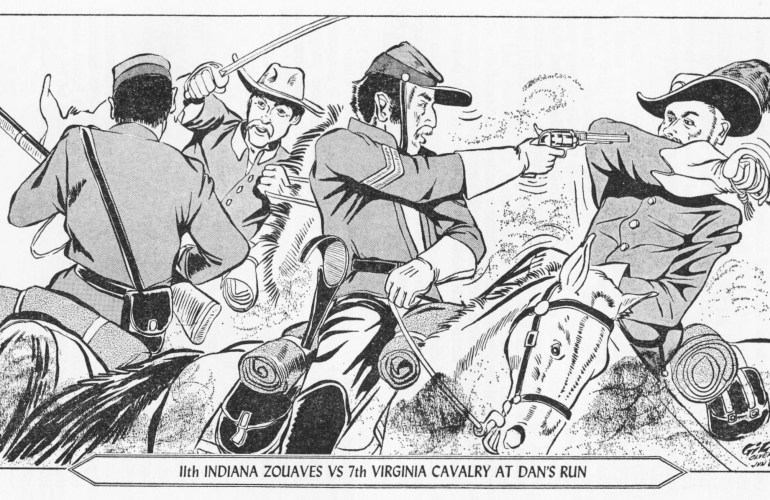
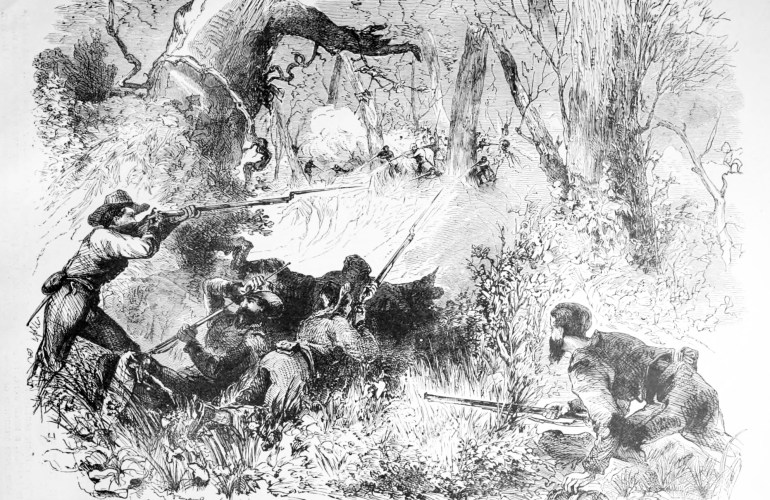
On June 26, 1861, thirteen mounted scouts from Lew Wallace’s 11th Indiana collided with Confederate cavalry near Dan’s Run and Kelly’s Island along the Upper Potomac. What began as a reconnaissance quickly erupted into two savage, close-quarters skirmishes that mortally wounded Richard Ashby, left Turner Ashby wounded, and claimed the life of the first Indiana…

The Burning of Bridge No. 21

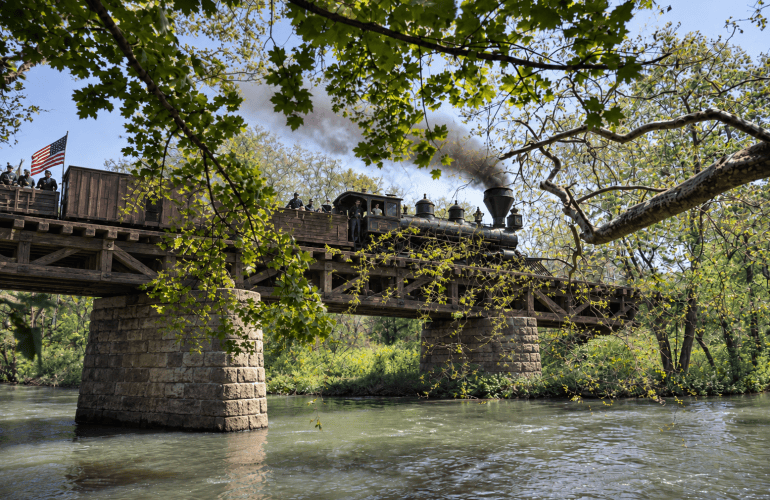
Before dawn on June 19, 1861, hundreds of Confederate soldiers waded across the Potomac River at New Creek, Virginia, intent on driving off Union defenders and destroying a vital B&O Railroad bridge. The daring raid overwhelmed a small band of local Home Guards, severed an important transportation link, and heightened fears that Lew Wallace’s isolated…

Lew Wallace and the Indiana Zouaves Secure Cumberland

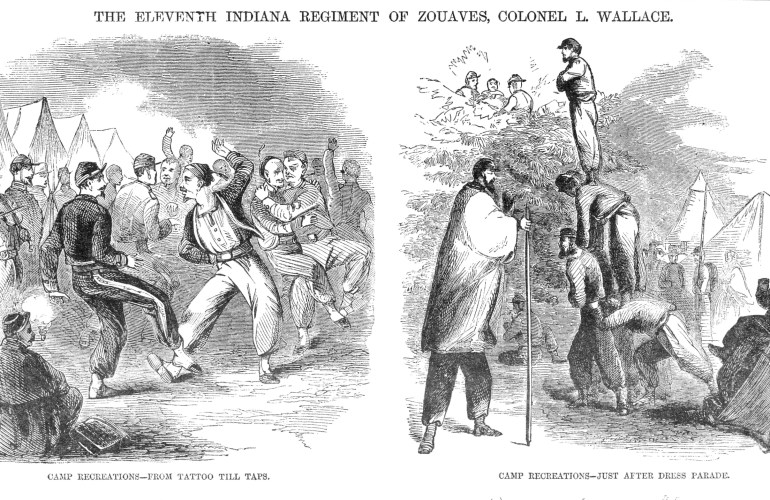
In June 1861, future Ben-Hur author Lew Wallace and the 11th Indiana arrived in Cumberland, Maryland, with orders to protect the vital B&O Railroad and secure the Upper Potomac. Within days, Wallace’s restless pursuit of Confederate forces would carry his Hoosiers into Virginia, setting the stage for a dramatic early Civil War campaign whose consequences…

Detailed Timeline of Events Along the Upper Potomac, May 23 – July 27, 1861

In the spring and summer of 1861, the nation tore itself apart. Maryland and Virginia stood on the front lines, with the Potomac River between them threatening to become an international border. In Washington, military planners quickly recognized the importance of securing the Potomac west of the nation's capital and protecting the vital Baltimore &…

Cutting the B&O: Confederate Raids in Hampshire County, 1861

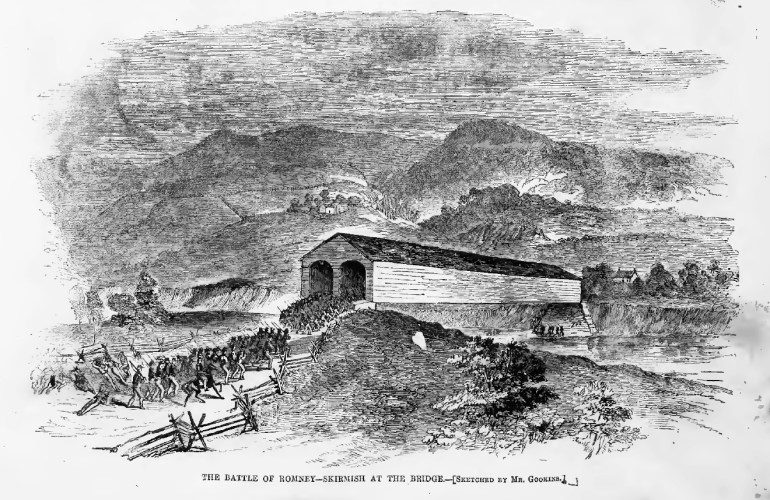
In the summer of 1861, Hampshire County, Virginia, became a battleground in the struggle to control the vital Baltimore & Ohio Railroad. Confederate cavalry raided bridges and rail lines from Romney to New Creek while Union troops fought to keep open this critical transportation link between Washington, DC, and the West. On the eve of…

What Happened at Piedmont?

In early July 1861, following Lewis “Lew” Wallace’s departure from Cumberland, Maryland, the 13th and 5th Pennsylvania Reserve Regiments and Battery A, 1st Pennsylvania Artillery, advanced to protect this vital transportation hub on the Potomac River. On July 12, Confederate cavalry destroyed railroad cars and two trestle bridges over George’s Creek on the Maryland side…

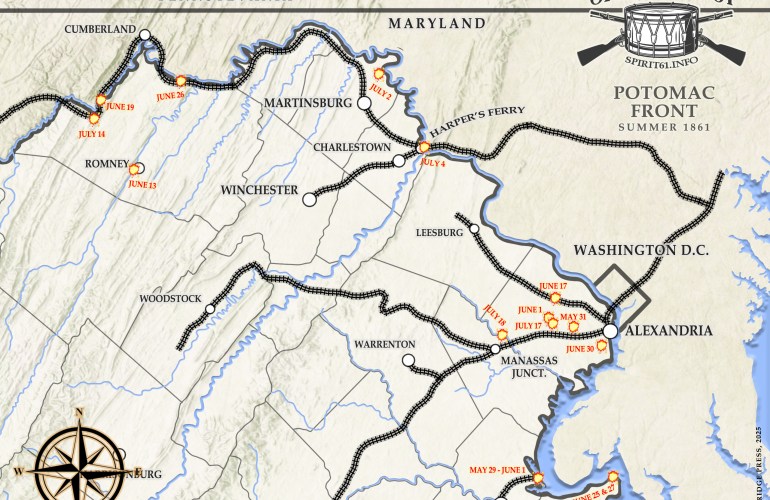
Map and Overview of the Potomac Front, May 1-July 20, 1861

In 1861, control of the Potomac River was critical to both Union and Confederate strategies, as it formed a key geographic boundary. While the Union secured the upper river and gained a foothold in northeastern Virginia, Confederate coordination between the Shenandoah and Manassas Junction led to victory at Bull Run and enabled a temporary blockade…

The Union’s Failed Gamble to Control Mathias Point

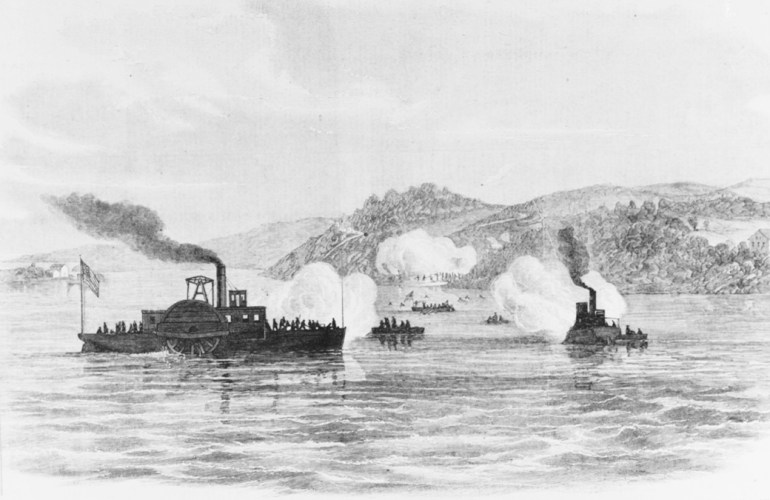
In the summer of 1861, Union forces launched a desperate attempt to secure Mathias Point, a strategic bend in the Potomac River that Confederate troops used to disrupt shipping. What began as a routine landing quickly unraveled into a deadly ambush, claiming the life of Commander James H. Ward and forcing the Union to abandon…

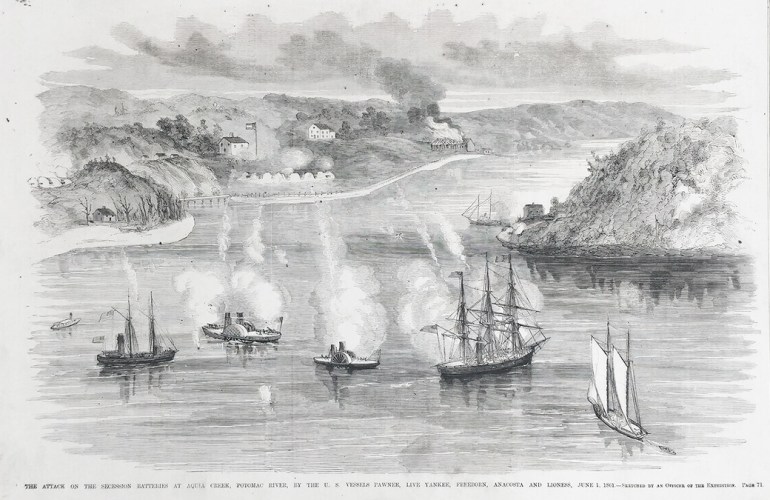
Fire on the Potomac: The Battle for Aquia Landing, 1861

In late May and early June of 1861, Union gunboats of the newly formed Potomac Flotilla clashed with Confederate shore batteries at Aquia Landing, a key rail terminus on Virginia’s Potomac River. Over three days of bombardment, the USS Thomas Freeborn and supporting vessels attempted to silence the Confederate defenses, but despite sustaining damage, the…

Crossing into Conflict: The Union’s First Movements into Virginia in 1861

In the twilight hours of May 24, 1861, Union forces crossed the Potomac into Virginia, marking the first federal invasion of Confederate territory. As troops secured key locations in Alexandria, Colonel Elmer E. Ellsworth, a rising star and personal friend of President Lincoln, led his Fire Zouaves into the city—only to meet a tragic fate…