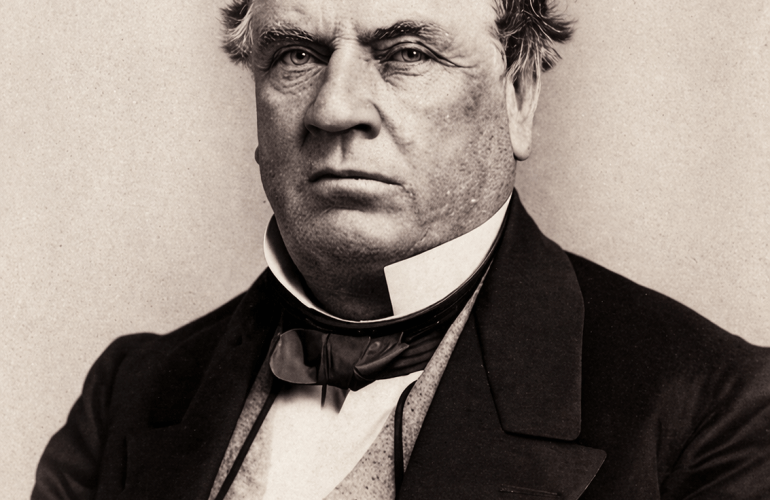
On Sunday, April 7, 1861, former congressman and outspoken Virginia unionist John Minor Botts met with President Abraham Lincoln in Washington, D.C., to discuss how to keep Virginia in the Union. Botts was a private citizen, not even a delegate to the Richmond Convention, and his account provides the only record of the meeting. Botts…
Blog
165 Years Ago: John B. Baldwin meets in secret with President Abraham Lincoln at the White House
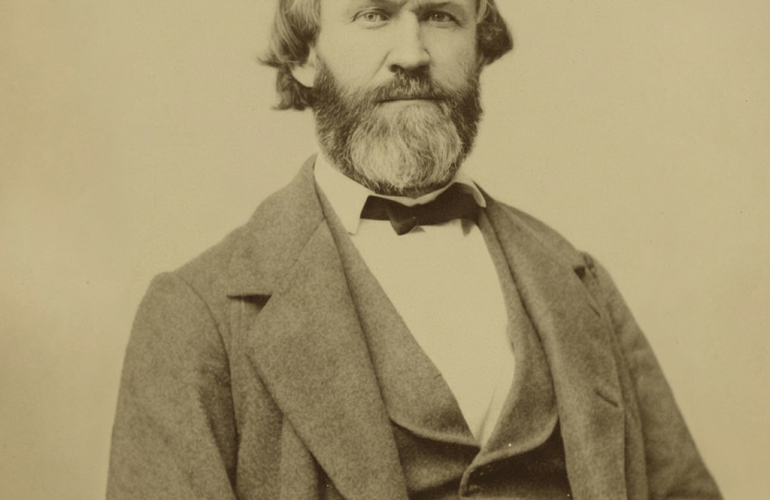
At the beginning of April, after only one month in office, President Abraham Lincoln (via Secretary of State William H. Seward) requested an urgent meeting with George W. Summers, a former Congressman from Kanawha County and leader among the unionists at the Virginia Convention in Richmond. Seward sent attorney Allan B. Magruder, brother of "prince…
Powder and Politics: The Skirmish at Bowman’s Place
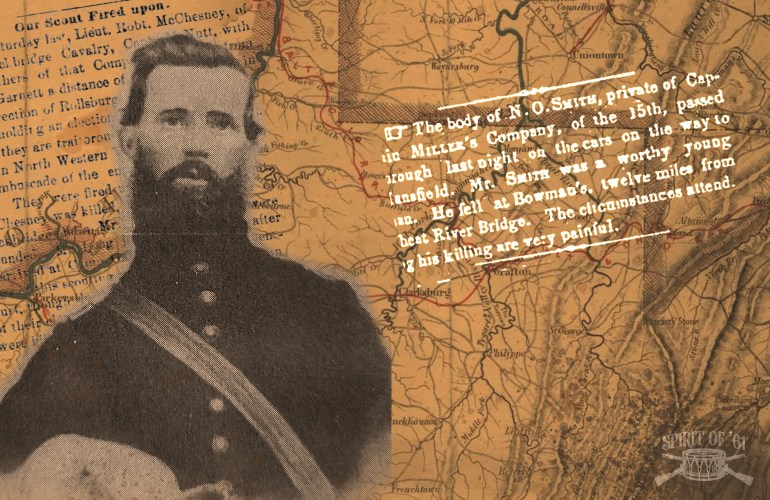
In late June 1861, Union troops guarding the B&O Railroad clashed with Confederate cavalry near Bowman’s Place in Tucker County as they attempted to disrupt elections for Virginia’s Restored Government. The brief but deadly skirmish, tied to control of the Cheat River corridor, revealed how quickly political conflict in northwestern Virginia could turn violent. More…
Continue reading ➞ Powder and Politics: The Skirmish at Bowman’s Place
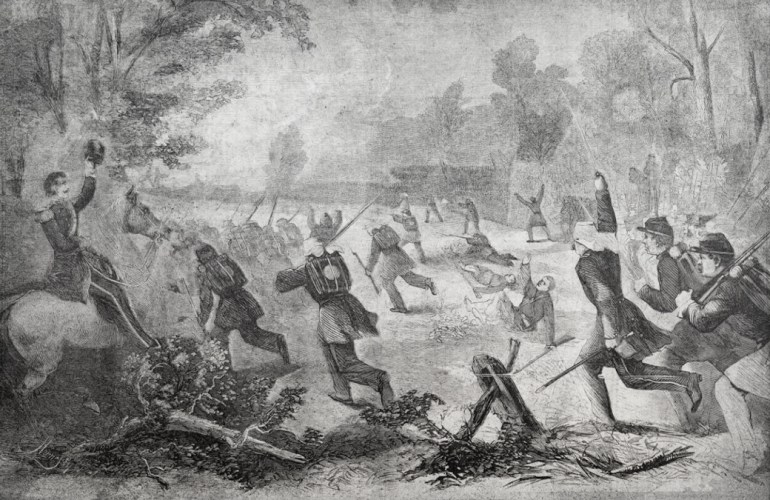
Halt! Damn You, Halt!
The following story appeared in the book Camp-Fire Chats of the Civil War: Being the Incident, Adventure and Wayside Exploit of the Bivouac and Battle Field, as Related by Members of the Grand Army of the Republic, edited by Washington Davis. It was published in 1884, and is a collection of anecdotes told by Union…
Previous Belington / Laurel Hill Research
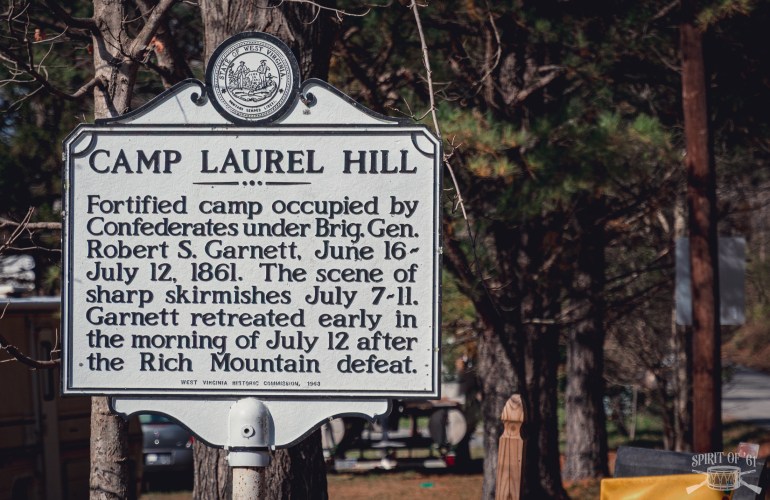
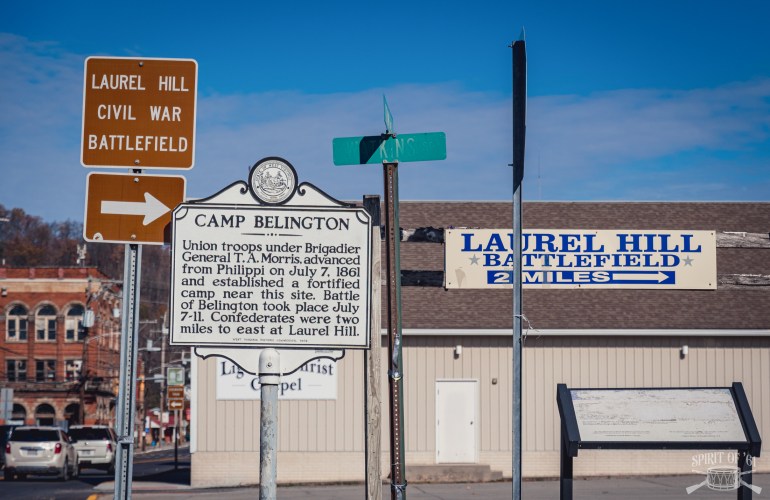
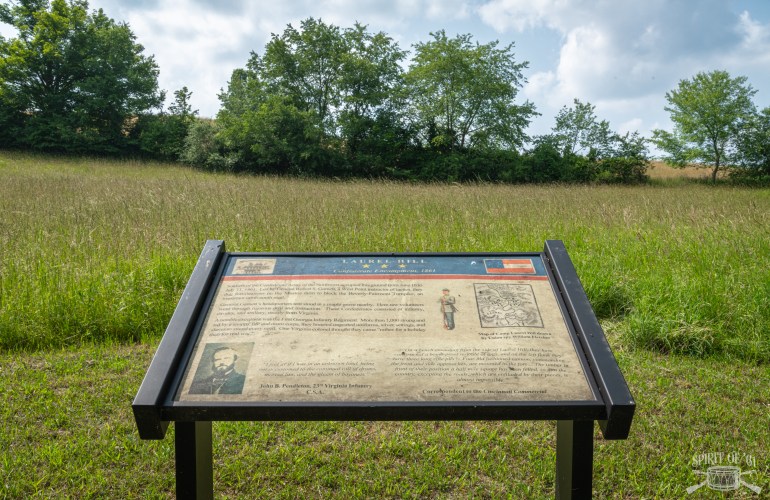
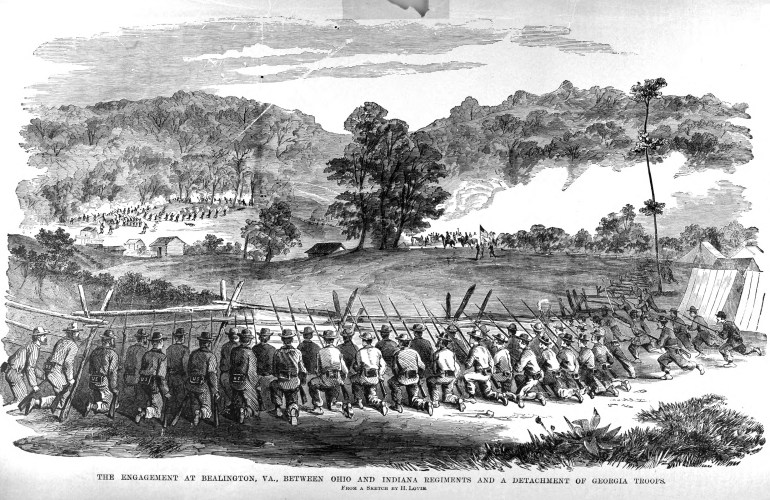
The Battle of Belington / Laurel Hill was fought from Sunday, July 7 to Thursday, July 11, 1861 between Union forces commanded by Brig. Gen. Thomas A. Morris and Confederate forces commanded by Brig. Gen. Robert S. Garnett in what is today Barbour County, West Virginia. It involved around 8,000 Union and Confederate soldiers. Over…
Continue reading ➞ Previous Belington / Laurel Hill Research
Divided Ground: Buckhannon’s Unionists Face a Confederate Incursion
On June 27, 1861, a Confederate foraging expedition descended on the unionist town of Buckhannon, scattering civilians and briefly seizing vital supplies along the Staunton-Parkersburg Turnpike. Though a small clash, the raid and the rumors it sparked pushed George B. McClellan to launch his campaign against Robert S. Garnett, setting the stage for the fight…
Continue reading ➞ Divided Ground: Buckhannon’s Unionists Face a Confederate Incursion
The Union, Right or Wrong: Preston and Monongalia Counties Choose a Side
During the critical period of April-May 1861, Preston and Monongalia counties, in what was then northwestern Virginia, remained firmly in the Union camp. Both counties shared a northern border with Pennsylvania and, unlike their southern neighbors, organized no Confederate volunteer companies, though a few individuals may have enlisted in the Southern cause. Slavery was rare,…
Continue reading ➞ The Union, Right or Wrong: Preston and Monongalia Counties Choose a Side
Irregular War in Northwestern Virginia: Captain Cable’s Raid on Righter’s House
In June 1861, as Union forces secured the B&O Railroad after the rout at Philippi, a nighttime raid on a secessionist militia at Righter’s House erupted into violence and fiery retribution. The clash at Coon Run reveals how the fight for strategic ground in northwestern Virginia quickly devolved into a bitter war between neighbors. Following…
Continue reading ➞ Irregular War in Northwestern Virginia: Captain Cable’s Raid on Righter’s House
The Philippi Races: How a Rain-Soaked Surprise Secured Northwestern Virginia
In a rain-soaked dawn attack at Philippi, Union columns under Benjamin Kelley and Ebenezer Dumont scattered Col. George A. Porterfield’s inexperienced command, sending it fleeing in what became known as the “Philippi Races.” The brief fight secured the B&O lifeline and shattered secessionist momentum in northwestern Virginia at the very outset of the war. Events…
Continue reading ➞ The Philippi Races: How a Rain-Soaked Surprise Secured Northwestern Virginia
Second Virginia Infantry Regiment (U.S.)
From May to July 1861, the Second Virginia Infantry (U.S.) did not operate as a cohesive regiment. Instead, several of its companies acted independently in support of Maj. Gen. George B. McClellan’s campaign to secure northwestern Virginia and the Baltimore & Ohio (B&O) Railroad for the Union. The regiment did not fully come together until…