Photo by M.A. Kleen, Spirit61.info

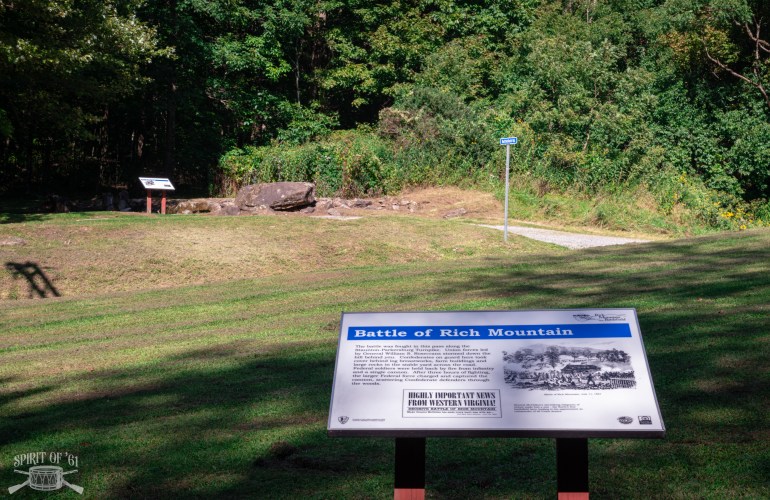
What Federal Units were at the Battle of Rich Mountain?

When Maj. Gen. George B. McClellan arrived in northwestern Virginia in late June to take command of his Army of the West, also known as the Army of Occupation, he reorganized and expanded it into five brigades under Brig. Gens. William S. Rosecrans, Thomas A. Morris, Charles W. Hill, Newton Schleich, and Col. Robert L.…

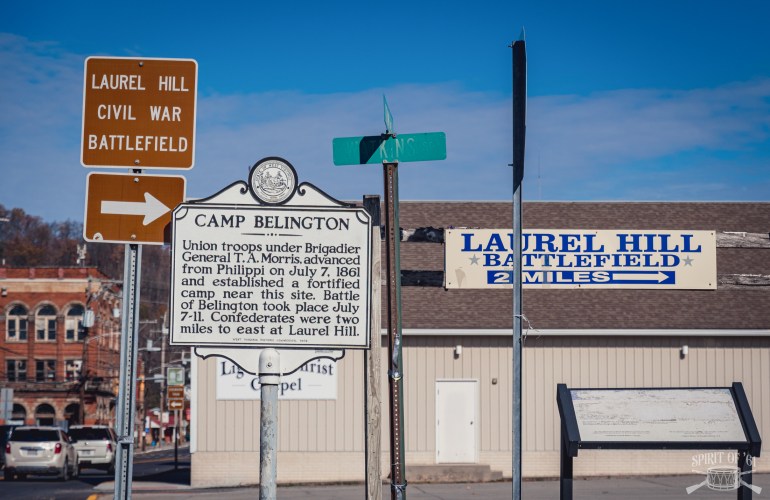
What Federal Units were at the Battle of Belington / Laurel Hill?

On July 6, 1861, Maj. Gen. George B. McClellan ordered Brig. Gen. Thomas A. Morris to advance on Confederate Brig. Gen. Robert S. Garnett’s position on Laurel Hill, near the small hamlet of Belington, also spelled Bealington or Beelington. McClellan instructed Morris to occupy a position “on the south side of Barker’s Mill Run, on…

165 Years Ago: John Minor Botts meets with President Abraham Lincoln in Washington, DC to discuss how to keep Virginia in the Union

On Sunday, April 7, 1861, former congressman and outspoken Virginia unionist John Minor Botts met with President Abraham Lincoln in Washington, D.C., to discuss how to keep Virginia in the Union. Botts was a private citizen, not even a delegate to the Richmond Convention, and his account provides the only record of the meeting. Botts…

165 Years Ago: John B. Baldwin meets in secret with President Abraham Lincoln at the White House

At the beginning of April, after only one month in office, President Abraham Lincoln (via Secretary of State William H. Seward) requested an urgent meeting with George W. Summers, a former Congressman from Kanawha County and leader among the unionists at the Virginia Convention in Richmond. Seward sent attorney Allan B. Magruder, brother of "prince…

The Union, Right or Wrong: Preston and Monongalia Counties Choose a Side

During the critical period of April-May 1861, Preston and Monongalia counties, in what was then northwestern Virginia, remained firmly in the Union camp. Both counties shared a northern border with Pennsylvania and, unlike their southern neighbors, organized no Confederate volunteer companies, though a few individuals may have enlisted in the Southern cause. Slavery was rare,…

Second Virginia Infantry Regiment (U.S.)

From May to July 1861, the Second Virginia Infantry (U.S.) did not operate as a cohesive regiment. Instead, several of its companies acted independently in support of Maj. Gen. George B. McClellan’s campaign to secure northwestern Virginia and the Baltimore & Ohio (B&O) Railroad for the Union. The regiment did not fully come together until…

First Virginia Infantry Regiment (U.S.)

The First Virginia Infantry Regiment (U.S.) featured prominently in Maj. Gen. George B. McClellan's advance into northwestern Virginia in late May 1861. Its presence helped reassure nervous civilians that this was a limited operation designed to protect the Baltimore & Ohio Railroad and expel secessionist militias, not a heavy-handed federal invasion. The regiment's colonel, Benjamin…

Union Forces Involved in the Action at Philippi

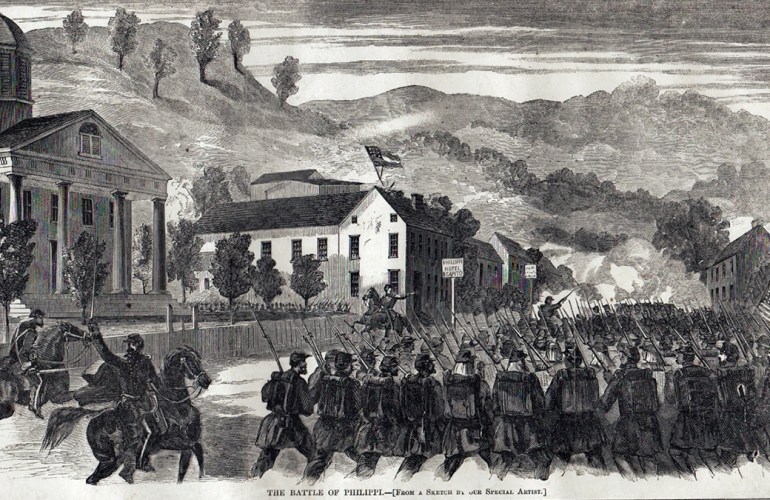
Determining the composition of the Union force that attacked Philippi on June 3, 1861, is, thankfully, easier than for their opponents. The orders outlining which units were to take part, and the number of companies assigned, have long been published. Even so, estimates of the total strength vary, and the sources do not always explain…

From Revenue Cutter to Warship: USS Harriet Lane and the Opening Naval Actions of the Civil War

From firing one of the first naval shots of the Civil War off Charleston Harbor to helping secure a vital Union foothold on North Carolina’s Outer Banks, the USS Harriet Lane played an outsized role in the conflict’s opening months. Follow her journey from revenue cutter to warship, highlighting her actions at Fort Sumter, Pig…