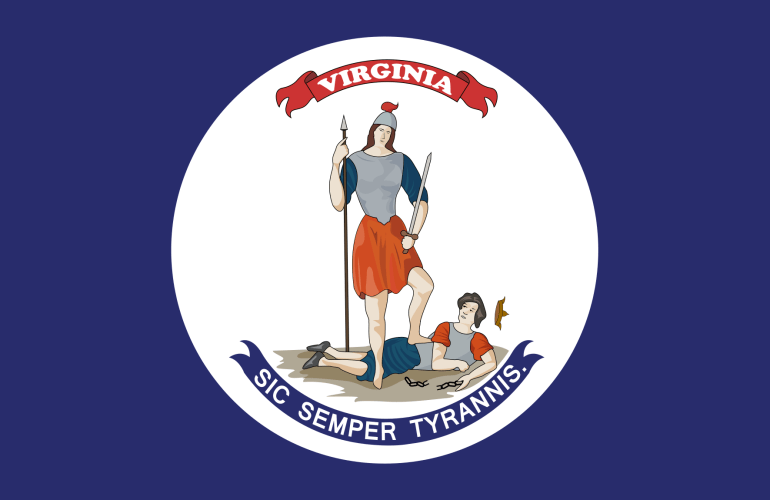
Determining precisely when Virginia joined the Confederacy is a complex issue. President Abraham Lincoln’s administration maintained that the Union was "indivisible" and that secession was illegal. According to this view, a state could not leave the Union under any circumstances. Therefore, those taking up arms against the federal government were considered rebels or insurrectionists, while…
Blog
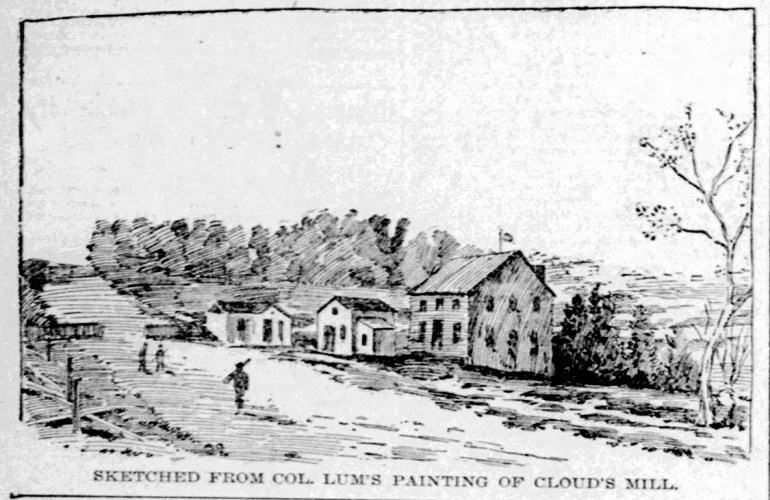
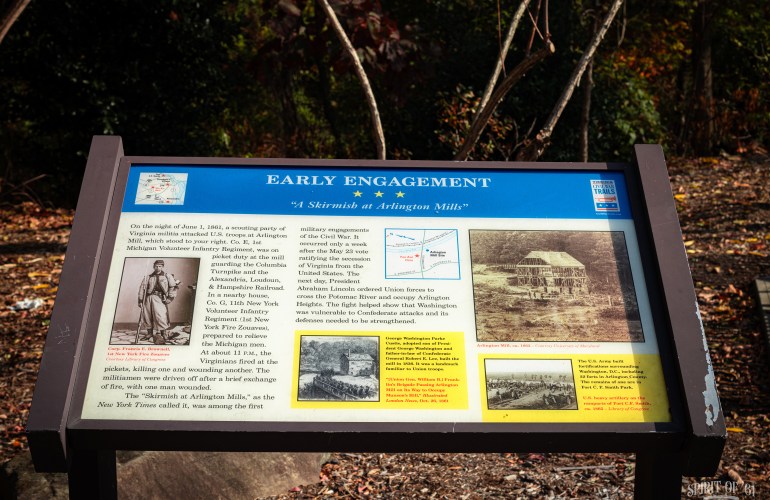
Which Mills? Decoding an Early Civil War Skirmish
Did the so-called "Skirmish at Arlington Mills" really happen? Learn how a simple newspaper error sparked a century-long myth about one of the Civil War’s first land engagements. Primary sources reveal conflicting accounts, misidentified locations, and a puzzling lack of Confederate testimony—raising questions about how historical narratives take shape and why verifying sources is essential…
Continue reading ➞ Which Mills? Decoding an Early Civil War Skirmish
The Call to Duty – The Common Soldier in the Civil War (1861)
Threads from the National Tapestry is among the best Civil War series on YouTube. Its narrator, Fred Kiger, has one of those voices perfectly suited for storytelling. And storytelling is this channel's strong suit. Their aim is to "make you feel as if you were there." In this video, Kiger discusses early mobilization, the motivations…
Continue reading ➞ The Call to Duty – The Common Soldier in the Civil War (1861)
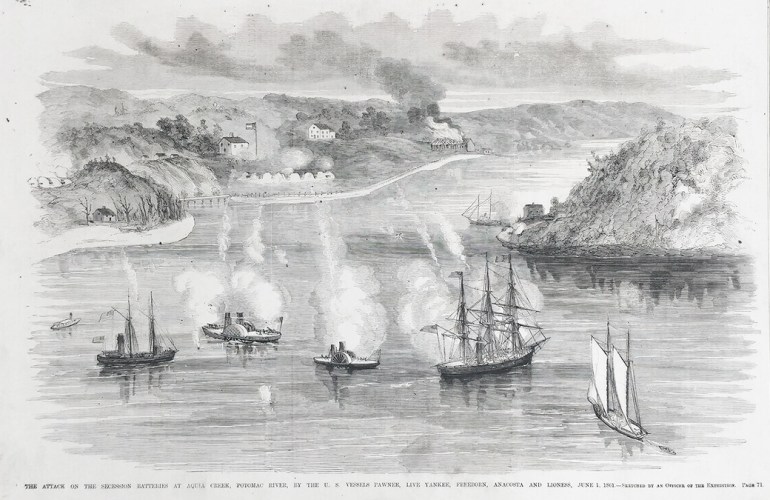
Fire on the Potomac: The Battle for Aquia Landing, 1861
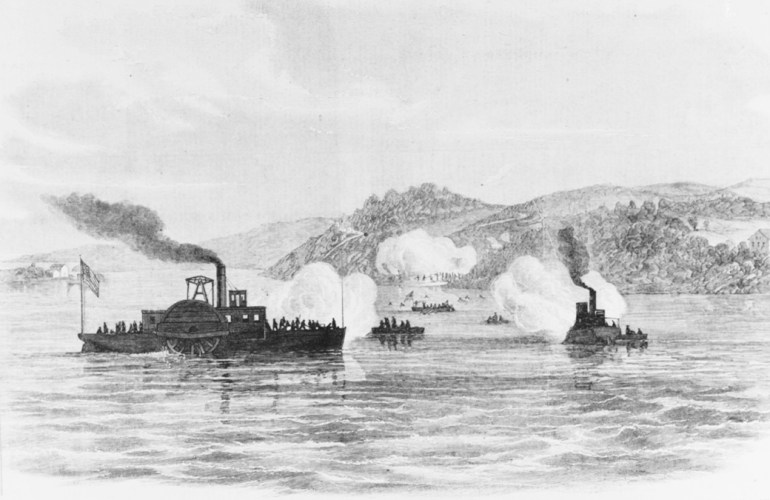
In late May and early June of 1861, Union gunboats of the newly formed Potomac Flotilla clashed with Confederate shore batteries at Aquia Landing, a key rail terminus on Virginia’s Potomac River. Over three days of bombardment, the USS Thomas Freeborn and supporting vessels attempted to silence the Confederate defenses, but despite sustaining damage, the…
Continue reading ➞ Fire on the Potomac: The Battle for Aquia Landing, 1861
New Photos Added
Looking at old black-and-white photos and illustrations, it’s easy to feel disconnected from the places and events they depict. However, standing in those locations and seeing the landscape in full color makes history feel real. When I first visited Shiloh National Military Park, I was struck by how little had changed in 150 years. The…
A PROCLAMATION BY THE GOVERNOR OF VIRGINIA
John Letcher, governor of Virginia, 1860–1864. Library of Congress Prints and Photographs Division The following proclamation by the Virginia governor, John Letcher (1813-1884), appeared in the Richmond Whig, Thursday, April 18, 1861, as well as other newspapers around the state in response to U.S. President Abraham Lincoln's calling for a volunteer army to suppress the…
Continue reading ➞ A PROCLAMATION BY THE GOVERNOR OF VIRGINIA
Crossing into Conflict: The Union’s First Movements into Virginia in 1861
In the twilight hours of May 24, 1861, Union forces crossed the Potomac into Virginia, marking the first federal invasion of Confederate territory. As troops secured key locations in Alexandria, Colonel Elmer E. Ellsworth, a rising star and personal friend of President Lincoln, led his Fire Zouaves into the city—only to meet a tragic fate…
Continue reading ➞ Crossing into Conflict: The Union’s First Movements into Virginia in 1861
The Potomac Flotilla
In the spring and summer of 1861, James H. Ward and the Union’s Potomac Flotilla faced the daunting task of enforcing a blockade, securing safe passage for friendly river traffic, and countering Confederate shore batteries along the Potomac River. He would not live to see it succeed. At the start of the American Civil War,…
Deep Dive into the Lower Potomac Front
In the late spring and early summer of 1861, all eyes were on northeastern Virginia as both sides contemplated their first moves in a war they predicted would be over in a single climactic battle. The small skirmishes that took place on the road to First Manassas were few in number but received outsized attention…
Accomplishments in 2024
I started this digital encyclopedia four years ago to coincide with the 160th Anniversary of the American Civil War, with a goal to focus on the little-known events in Virginia between April and late July 1861. Since then, it's grown steadily, with original research, photos, maps, and illustrations. Our website offers high quality scans of…