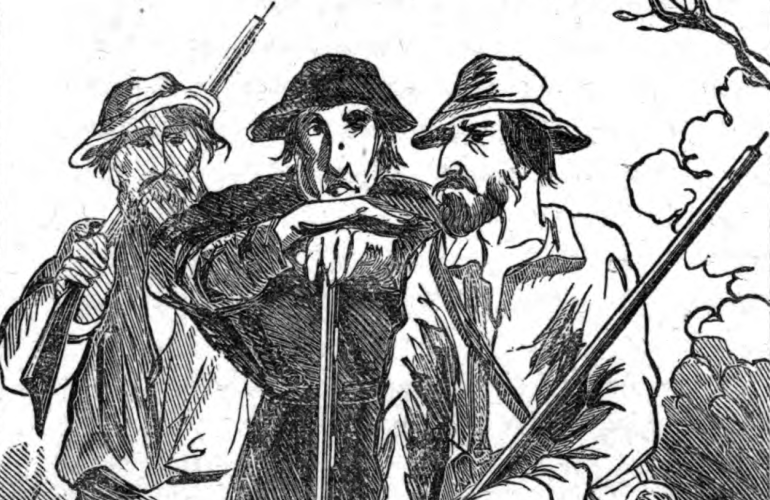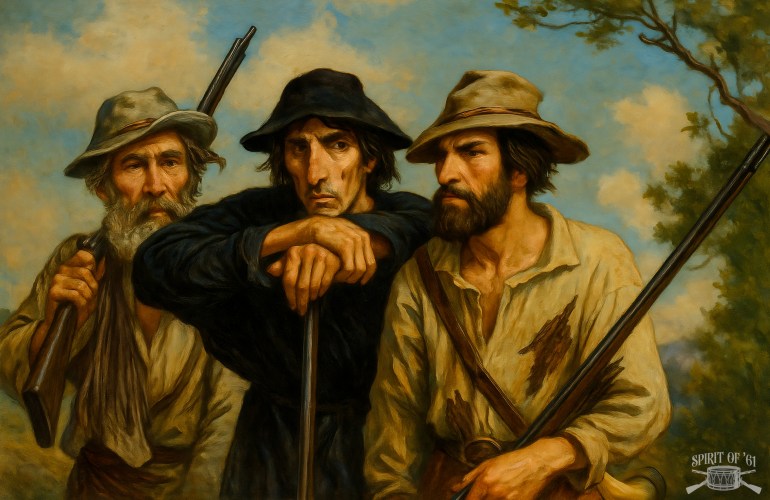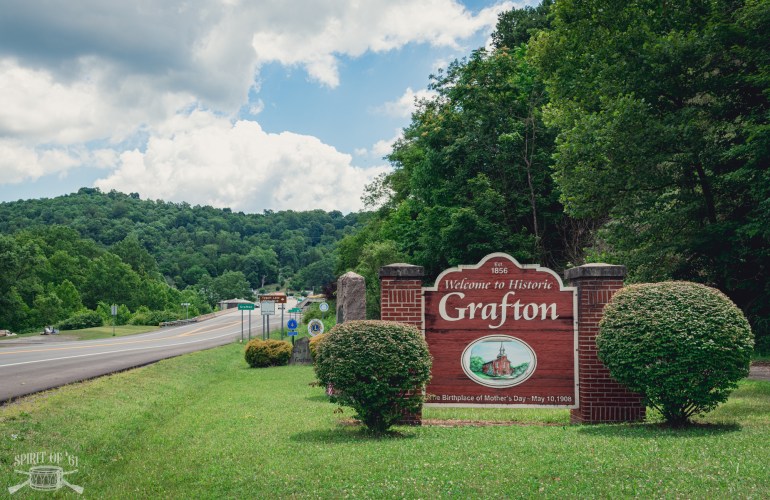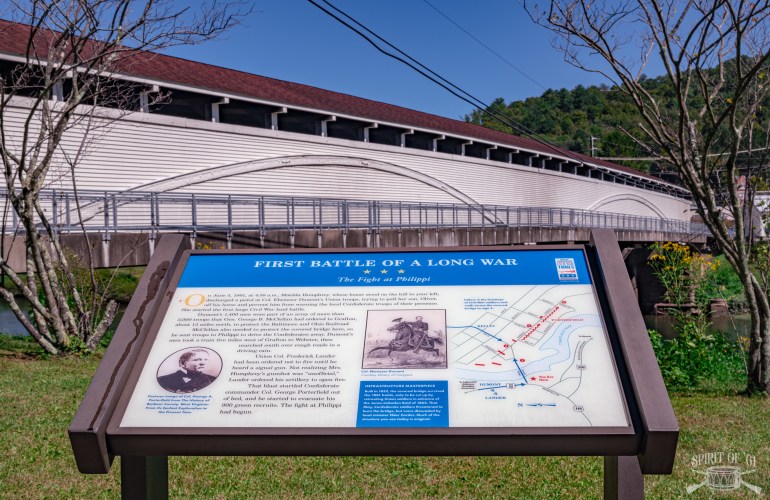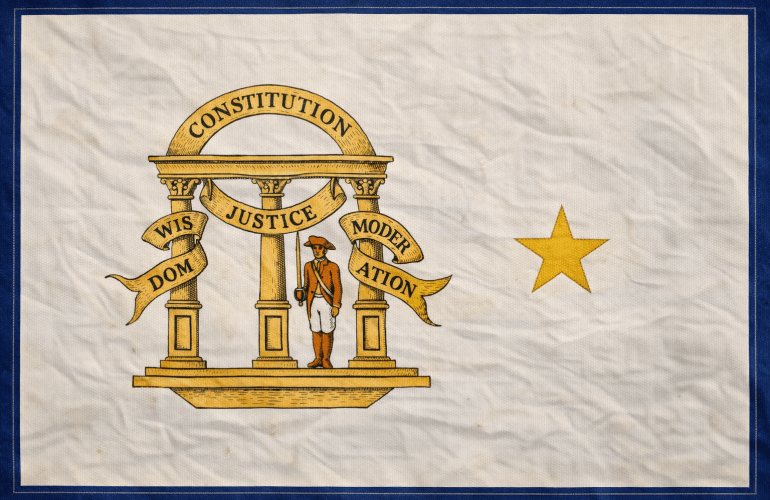
The Action at Glover’s Gap occurred on Tuesday, May 28, 1861 between irregular secessionist militia commanded by Stephen Roberts and a detachment of Company A, 2nd Virginia Infantry (U.S.) commanded by 2nd Lt. Oliver R. West in Marion County, West Virginia. Maj. Gen. George B. McClellan's two-pronged invasion of northeastern Virginia began on May 26,…
Tag: May
165 Years Ago: First Vermont Regiment Occupies the Town of Hampton
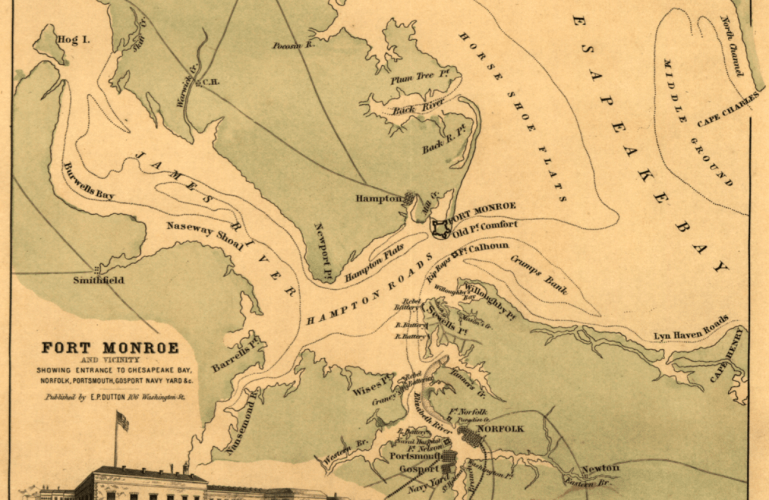
Benjamin F. Butler, a major general of Massachusetts volunteers, assumed command of the Military Department of Virginia on Wednesday, May 22, 1861. His department encompassed everything within a sixty-mile radius of Fort Monroe. The massive stone-and-brick bastion fort, constructed between 1819 and 1844, stood at Old Point Comfort overlooking the entrance to Hampton Roads. Following…
Continue reading ➞ 165 Years Ago: First Vermont Regiment Occupies the Town of Hampton
The Road to Philippi: Glover’s Gap and the Fight for the B&O Railroad in Northwestern Virginia
In the tense weeks following Virginia’s secession vote, rival unionist and secessionist forces in northwestern Virginia maneuvered for control of the Baltimore & Ohio Railroad. Skirmishes at Fetterman and Glover’s Gap produced some of the war’s earliest casualties and set the stage for the opening of McClellan's campaign in the region. On April 17, 1861,…
First Blood in Western Virginia: Secession, Divided Loyalties, and the Death of Thornsbury Bailey Brown
In the tense weeks following the April 17, 1861 secession vote, communities across northwestern Virginia divided sharply as unionists and secessionists began organizing. The killing of Thornsbury Bailey Brown at Fetterman Bridge in May, often considered the first Union soldier killed in combat during the Civil War, showed how quickly the political crisis was spiraling…
Events Leading up to the Action at Philippi
The following is a comprehensive chronology of the important events leading up to the Action at Philippi, June 3, 1861. It begins at the initial secession vote at the Virginia Convention in Richmond, April 17, 1861, and covers 47 days, although not every day is represented. These days were filled with military and political intrigue…
Continue reading ➞ Events Leading up to the Action at Philippi
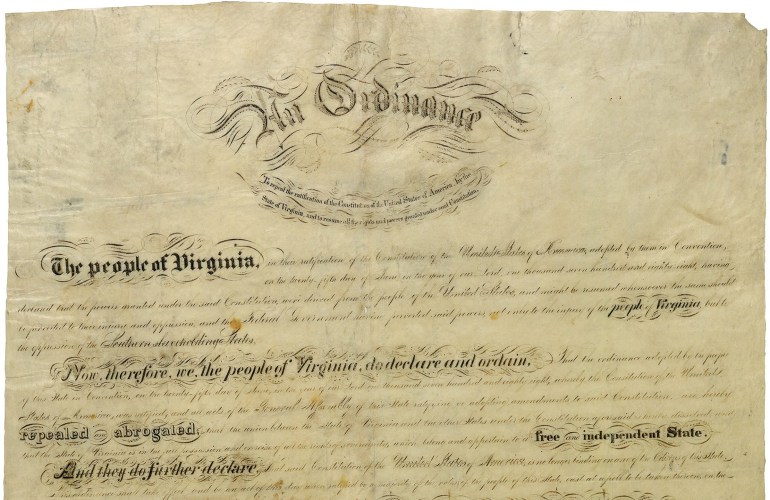
Virginia’s Path to Secession
One hundred sixty-five years ago, the Commonwealth of Virginia set itself on a course that would alter its history forever. The decision placed the state on the losing side of a devastating war that claimed hundreds of thousands of American lives, displaced families, split the commonwealth in two, and left farms, villages, and towns in…
Testing the Waters: Sewell’s Point and the First Exchange of Fire in Hampton Roads
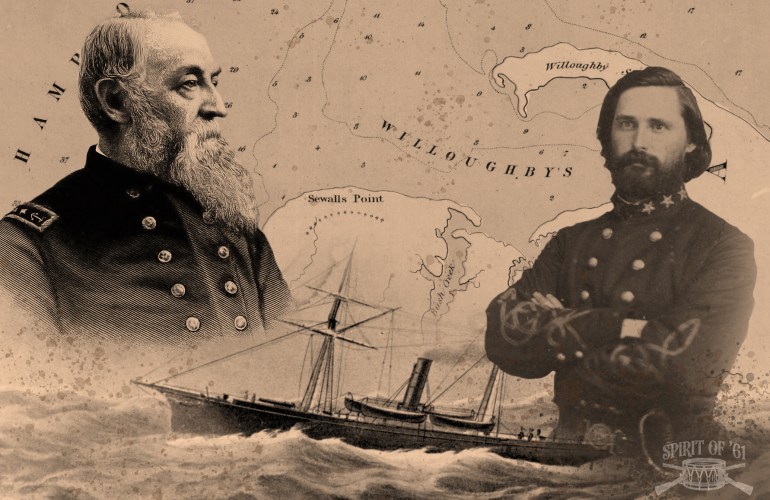
Just days before Virginia’s secession vote, the Engagement at Sewell’s Point on May 18–19, 1861, saw Union gunboats exchange fire with a hastily constructed Confederate battery near Fort Monroe in Hampton Roads. Though the skirmish caused little damage and few injuries, it marked one of the earliest naval engagements of the Civil War in Virginia…
Eyewitness Account of the Engagement at Sewell’s Point by a Member of the Columbus City Light Guard
Another eyewitness account of the Engagement at Sewell’s Point appeared in the book The History of Norfolk, Virginia by Harrison W. Burton (1840-1902), a journalist who served in the 1st Virginia Infantry and Otey's Battery during the Civil War. It was simply identified as being written by "a Georgia gentleman" shortly after the fight concluded, dated…
Eyewitness Account of the Engagement at Sewell’s Point by a Member of the Norfolk Light-Artillery Blues
The following eyewitness account of the Engagement at Sewell’s Point appeared in the book The History of Norfolk, Virginia by Harrison W. Burton (1840-1902), a journalist who served in the 1st Virginia Infantry and Otey's Battery during the Civil War. It was written anonymously by a member of the Norfolk Light-Artillery Blues. There is no date…
“This is an entire mistake”: When a Misquote Harms History
Did Captain William C. Whittle really call the first shots fired in Virginia during the Civil War a “mistake”? A close reading of the primary sources shows how quoting a key document out of context creates a distorted picture of events. Let me begin with a caveat: I have been a member of the American…
Continue reading ➞ “This is an entire mistake”: When a Misquote Harms History