Letcher and Pierpont on Virginia’s Road to Secession
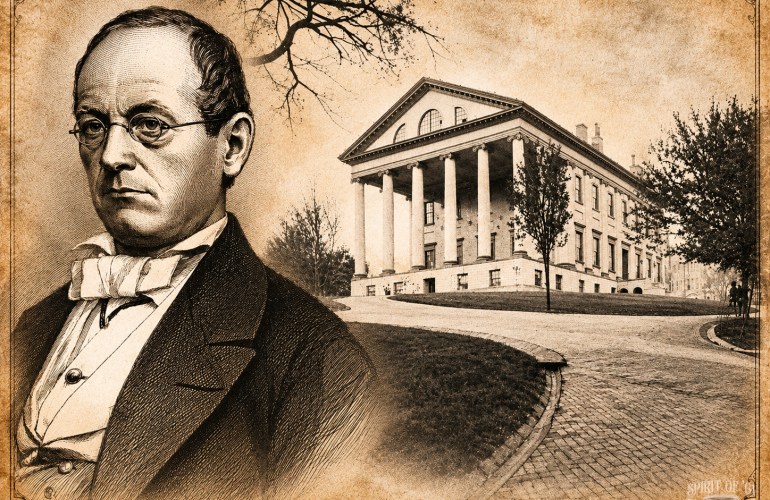
Why did Virginia reject secession in early 1861, only to join the Confederacy weeks later? Addresses by Governor John Letcher and his unionist rival, governor of the Restored Government of Virginia, Francis H. Pierpont, reveal how the outbreak of the Civil War divided Virginians over whether loyalty to their state meant leaving the United States…

Virginia Governor John Letcher’s January 7, 1861 Address to the Senate and House of Delegates

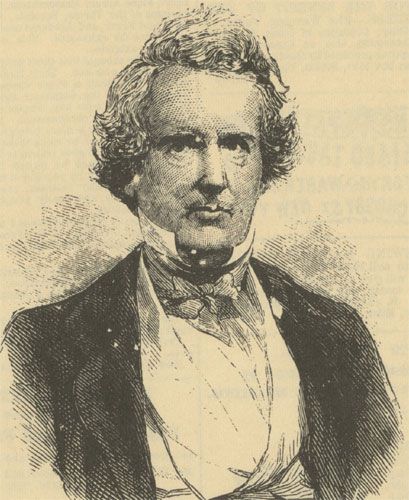
On January 7, 1861, with South Carolina declaring itself out of the Union and Abraham Lincoln not yet in office, Virginia Governor John Letcher addressed the General Assembly on the growing sectional crisis. He blamed Northern hostility to slavery for undermining constitutional obligations and destroying trust between the sections. “For the present condition of public…

Virginia’s Anti-Coercion Resolution, January 7, 1861

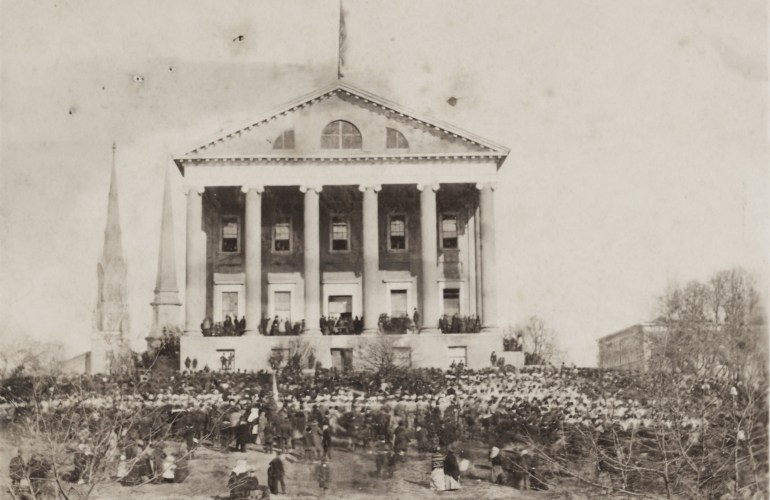
On November 15, 1860, Virginia Governor John Letcher called a special session of the state’s general assembly to convene at the capitol in Richmond on Monday, January 7, 1861. When senators and delegates took their seats, President-elect Abraham Lincoln had not yet assumed office, and only South Carolina had declared its secession. Mississippi, Florida, and…

The Road to Philippi: Glover’s Gap and the Fight for the B&O Railroad in Northwestern Virginia

In the tense weeks following Virginia’s secession vote, rival unionist and secessionist forces in northwestern Virginia maneuvered for control of the Baltimore & Ohio Railroad. Skirmishes at Fetterman and Glover’s Gap produced some of the war’s earliest casualties and set the stage for the opening of McClellan's campaign in the region. On April 17, 1861,…

Virginia’s Path to Secession

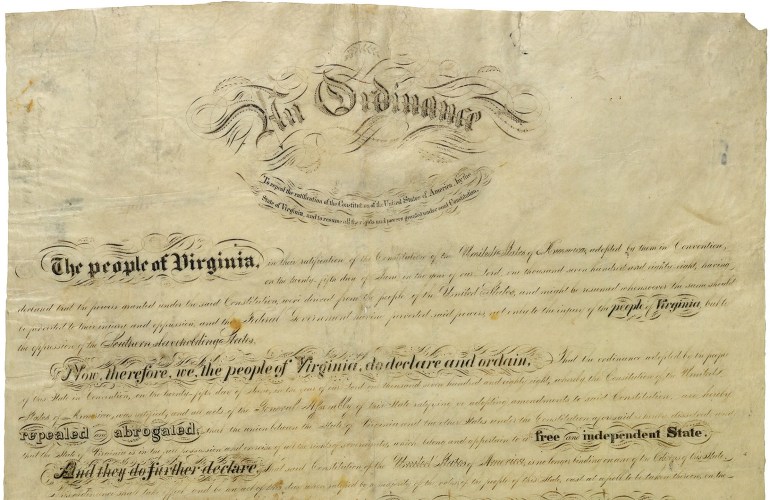
One hundred sixty-five years ago, the Commonwealth of Virginia set itself on a course that would alter its history forever. The decision placed the state on the losing side of a devastating war that claimed hundreds of thousands of American lives, displaced families, split the commonwealth in two, and left farms, villages, and towns in…

What’s in a Name? Secessionist, Southern, or Confederate?

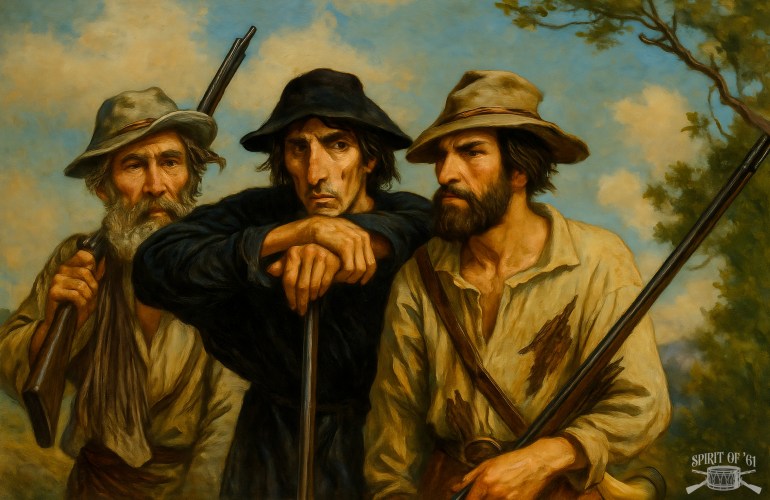
In the spring of 1861, Virginia was in an ambiguous position. Although its Secession Convention had voted to secede, the state had not yet officially joined the Confederacy. During this period, volunteers rushed to form armed companies, regiments, and batteries, sometimes clashing with federal troops and naval ships. What, then, should we call these state…

165 Years Ago: Virginia’s Secession Convention Convenes in Richmond

As 1861 dawned, the secession crisis was boiling over. South Carolina, Mississippi, Florida, Alabama, Georgia, Louisiana, and Texas had adopted resolutions declaring themselves free and independent states, and they met in Montgomery, Alabama to form a provisional government. Fire-eaters in Virginia agitated for the Old Dominion to join them. Virginia Governor John Letcher called the…

165 Years Ago: Washington Peace Convention Opens

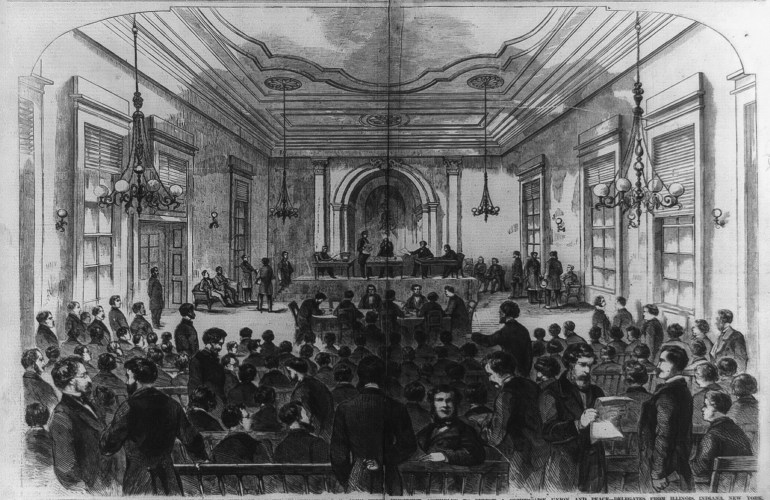
As February 1861 dawned, there appeared to be no resolution in sight to the secession crisis. Abraham Lincoln’s inauguration was still a month away. South Carolina, Mississippi, Florida, Alabama, Georgia, Louisiana, and Texas had adopted resolutions declaring themselves free and independent states and were, at that very moment, meeting in Montgomery, Alabama, to discuss the…

Organizing for War: Governor John Letcher’s July 13, 1861 Militia Proclamation

In mid-July 1861, just weeks after Virginia’s formal entry into the Confederate States of America, Governor John Letcher issued a sweeping proclamation calling for the mobilization of militia forces in response to a troop requisition from Confederate President Jefferson Davis. The proclamation, dated July 13, targeted specific regions of the Commonwealth: counties north of the…

A Tale of Two Governors

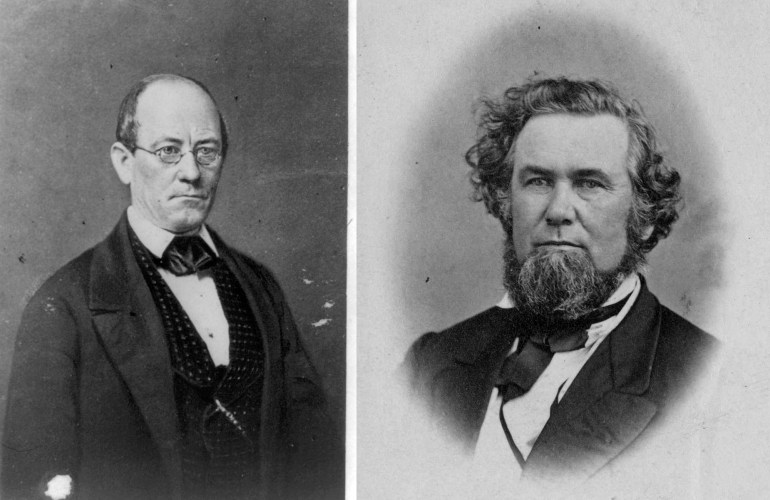
During the American Civil War, Virginians found themselves divided not only by ideology and geography, but by government itself. From 1861 to 1864, two men, John Letcher and Francis Pierpont, each claimed to be the legitimate governor of Virginia. One led the Confederate state government from Richmond, while the other presided over the Unionist Reorganized…