The Role of USS Yankee in Early Civil War Naval Operations

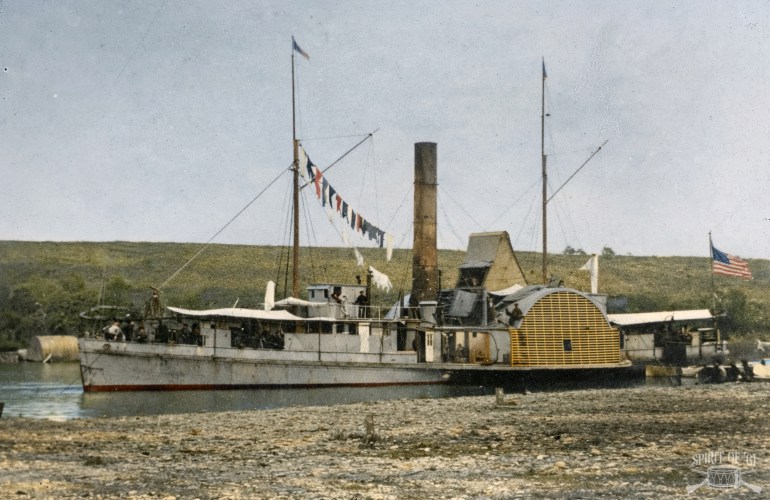
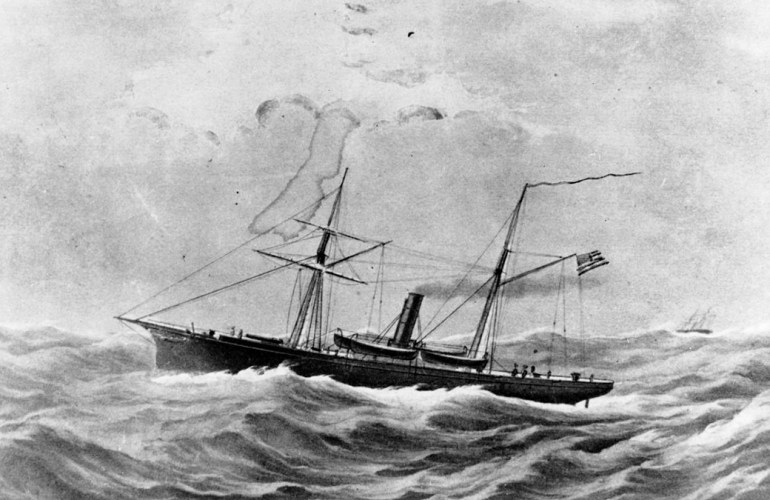
A small, lightly armed tugboat doesn’t sound like the kind of vessel that makes history, until it does. In the Civil War’s opening weeks, USS Yankee, under Lt. Thomas O. Selfridge, Jr., became the Navy’s eyes on the Chesapeake, scouting hostile waterways and snapping up prizes. Notable for exchanging the first shots of the Civil…

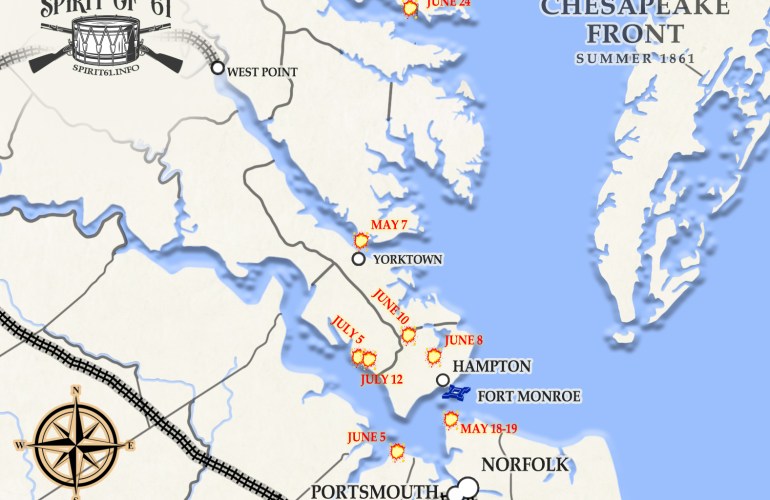
Map and Overview of the Chesapeake front

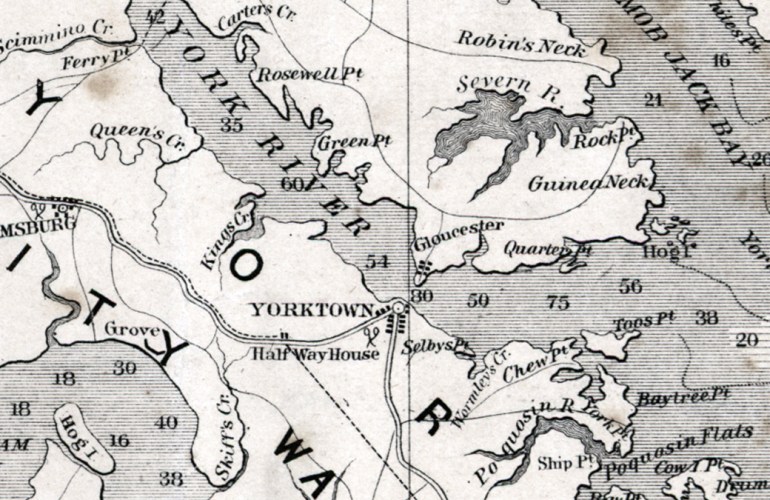
The Chesapeake Bay, a defining feature of Virginia's maritime border, stretches approximately 200 miles south from the mouth of the Susquehanna River in Maryland to Cape Henry and Cape Charles, Virginia. It is the largest estuary in the United States, providing an important avenue for domestic and international trade and commercial fishing. The 170-mile long…

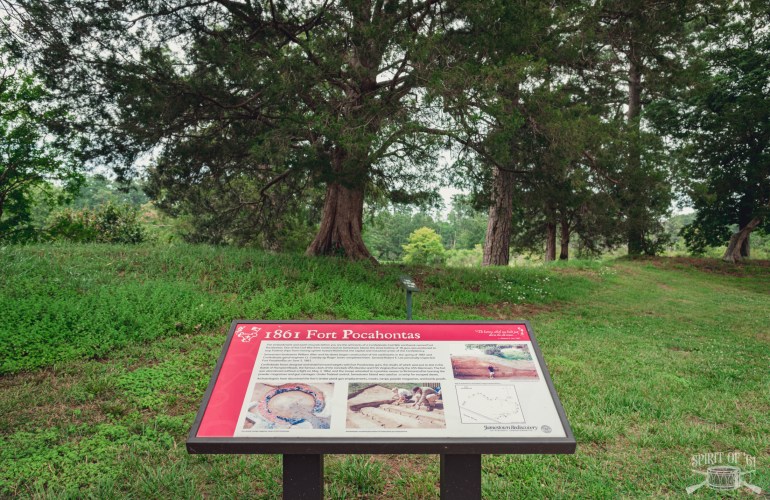
Fort Pocahontas: Jamestown Island’s Forgotten Confederate Stronghold

In the early days of the Civil War, as Virginia seceded and Confederate forces rushed to secure key positions across the state, Jamestown Island—better known as the birthplace of English America—was drawn into the conflict. Between April and July 1861, the Confederacy quickly turned Jamestown Island’s strategic position on the James River into a forward…

History Gone Wilder: The Battle of Big Bethel

Dr. Lucas Wilder is an adjunct professor at Lincoln Memorial University in Tennessee, and he runs one of the best Civil War channels on YouTube: History Gone Wilder. One highlight is his animated maps. What they lack in graphic design, they make up for in attention to detail. He posted the following video on the…

Action at Carter’s Creek – Location Revealed

The Action at Carter’s Creek was fought on Monday, June 24, 1861 between Union forces commanded by Lt. Daniel L. Braine and Confederate forces commanded by Capt. Isaac Currell in present-day Lancaster County on Virginia's Northern Neck. The brief exchange of fire resulted in a Confederate victory when the Union landing party was driven off…

Big Bethel by the Numbers – Union

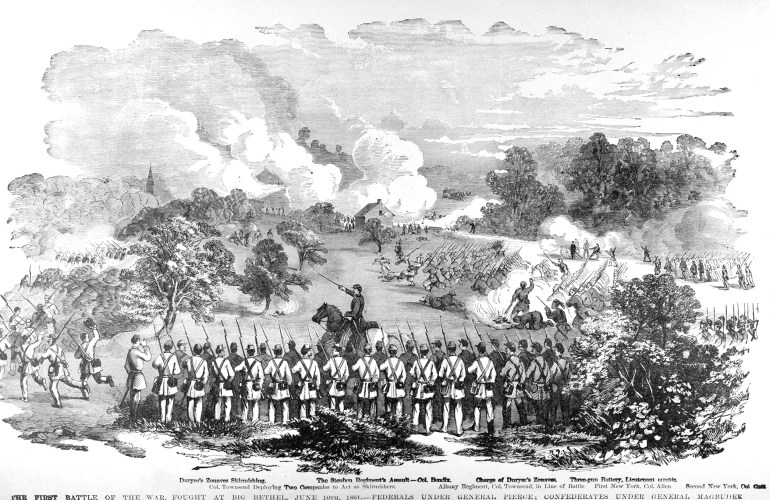
Based on a careful analysis, it’s reasonable to conclude that the Union force had approximately 4,518 men on the field that day. The Battle of Big Bethel, June 10, 1861, on the Virginia Peninsula was unequivocally the first pitched battle of any magnitude in the American Civil War. Approximately 6,000 Union and Confederate soldiers participated,…

Big Bethel by the Numbers – Confederate

Based on a careful analysis, it’s reasonable to conclude that the Confederates had approximately 1,670 men on the field that day. Though some minor skirmishes occurred in Virginia prior to June 10, 1861, the Battle of Big Bethel on the Virginia Peninsula was unequivocally the first pitched battle of any magnitude. Approximately 6,000 Union and…

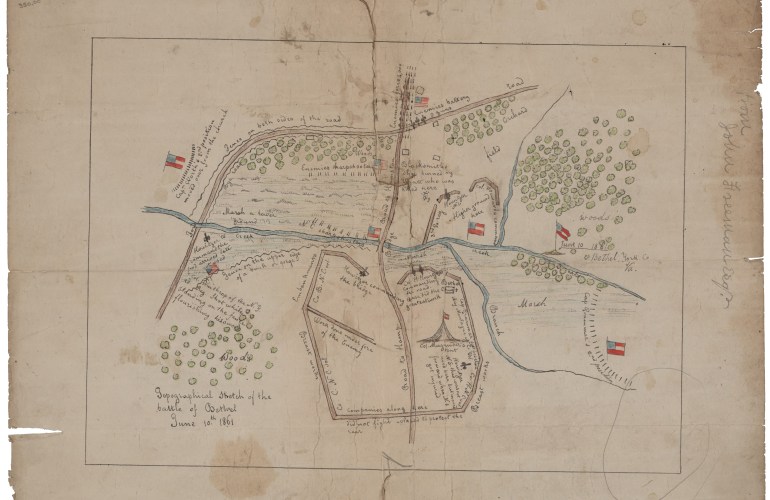
Topographical Sketch of the Battle of Bethel, June 10th 1861

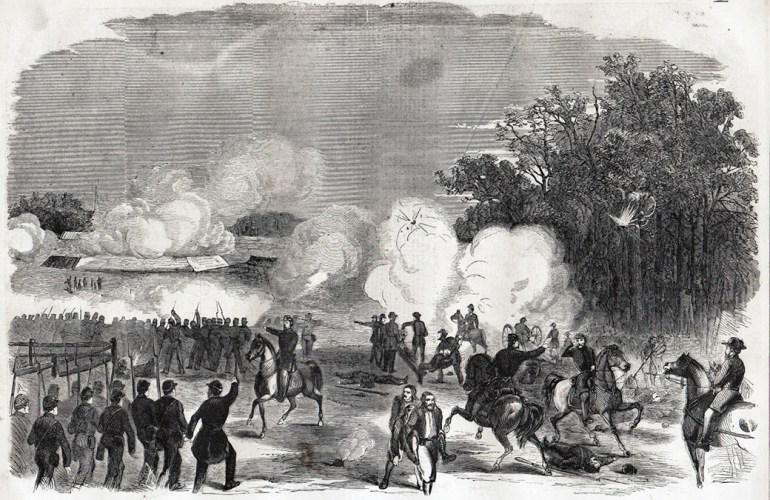
The Battle of Big Bethel (or Great Bethel) was fought on Monday, June 10, 1861 between Union forces commanded by Brig. Gen. Ebenezer Peirce and Confederate forces commanded by Col. John B. Magruder and Col. Daniel Harvey Hill in what is today Hampton, Virginia. It was among the American Civil War’s first pitched battles. Until…

Minor Skirmishes, Major Impact: the Prelude to Big Bethel at New Market Bridge

Before the Battle of Big Bethel, a pair of small skirmishes played a key role in shaping Union strategy and setting the stage for their defeat. Learn how these early encounters influenced the course of the larger conflict on the Virginia Peninsula. After the Virginia Secession Convention passed its ordinance of secession in May 1861,…

The Action at Carter’s Creek, or Affair on the Rappahannock

In the early months of the Civil War, a Union naval mission to gather intelligence on Virginia’s Northern Neck turned into a deadly skirmish with Confederate volunteers. Discover how a routine operation aboard the USS Monticello quickly escalated into a fierce clash that left both sides scrambling. On April 27, in response to the capture…