Union Forces Involved in the Action at Philippi

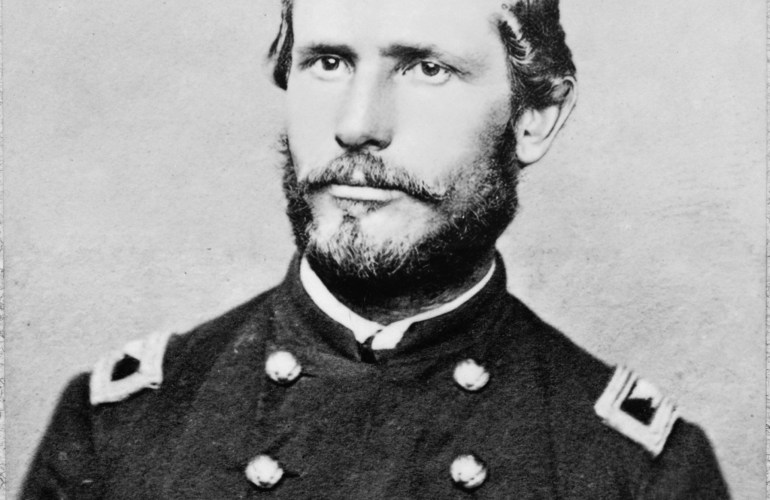
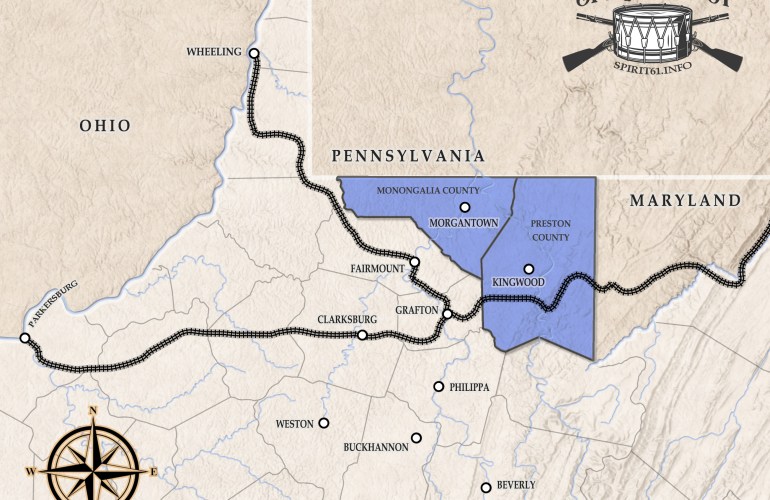
Determining the composition of the Union force that attacked Philippi on June 3, 1861, is, thankfully, easier than for their opponents. The orders outlining which units were to take part, and the number of companies assigned, have long been published. Even so, estimates of the total strength vary, and the sources do not always explain…

Secessionist Forces Involved in the Action at Philippi

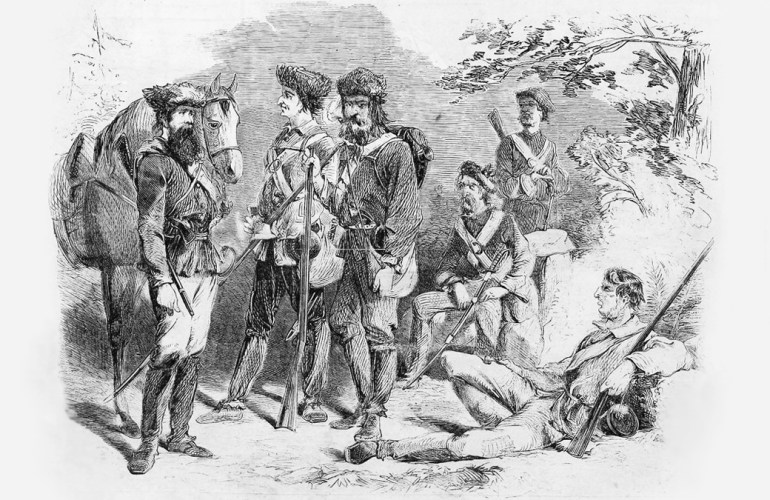
As one of the earliest engagements in the American Civil War, the Action at Philippi on June 3, 1861 is clouded in faulty and incomplete information. We owe it to history (and the ancestors of the men involved) to get an accurate picture of who was present on that day, for either side. Today we…

From Revenue Cutter to Warship: USS Harriet Lane and the Opening Naval Actions of the Civil War

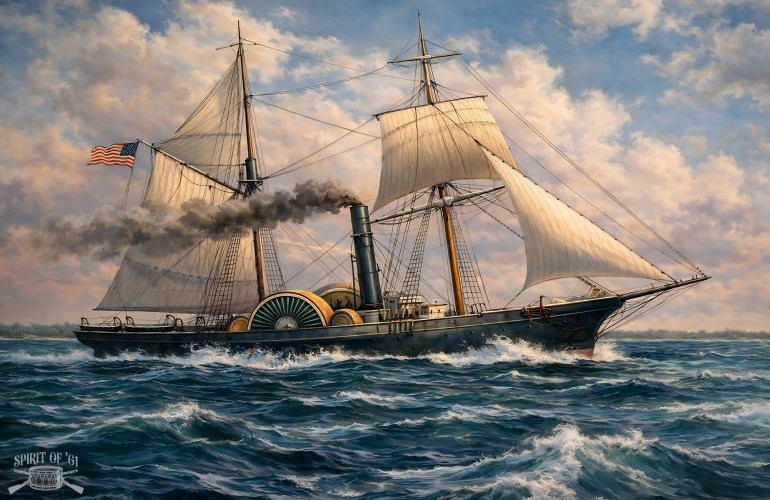
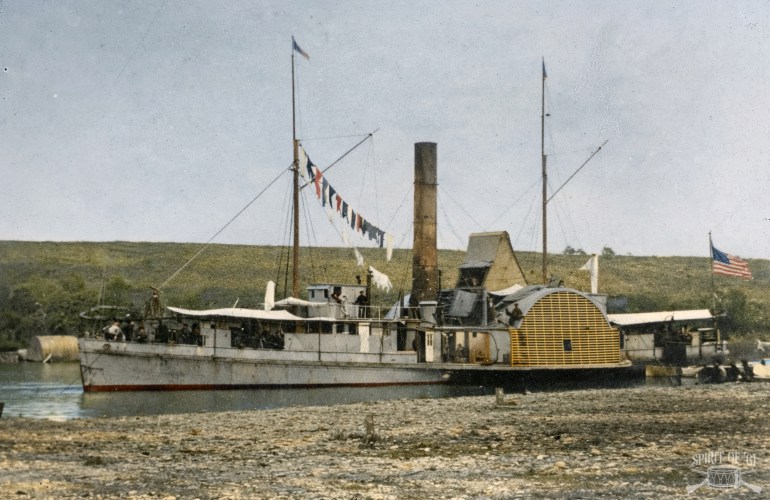
From firing one of the first naval shots of the Civil War off Charleston Harbor to helping secure a vital Union foothold on North Carolina’s Outer Banks, the USS Harriet Lane played an outsized role in the conflict’s opening months. Follow her journey from revenue cutter to warship, highlighting her actions at Fort Sumter, Pig…

Captain Henry Eagle and the USS Monticello (Star)

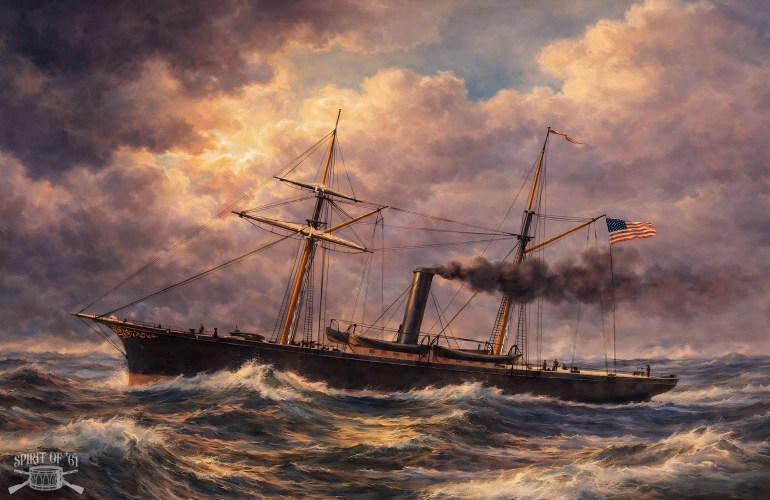
Small and lightly built with a teetotaling veteran captain, the USS Monticello (Star) became an early workhorse of the Union blockade, trading fire with Confederate batteries from the James River to Cape Hatteras. The USS Monticello was a schooner-rigged, wooden screw steamer constructed at Mystic, Connecticut, in 1859. The U.S. Navy chartered her in May…

The Role of USS Yankee in Early Civil War Naval Operations

A small, lightly armed tugboat doesn’t sound like the kind of vessel that makes history, until it does. In the Civil War’s opening weeks, USS Yankee, under Lt. Thomas O. Selfridge, Jr., became the Navy’s eyes on the Chesapeake, scouting hostile waterways and snapping up prizes. Notable for exchanging the first shots of the Civil…

Flag of the First Georgia Regiment (Ramsey’s)

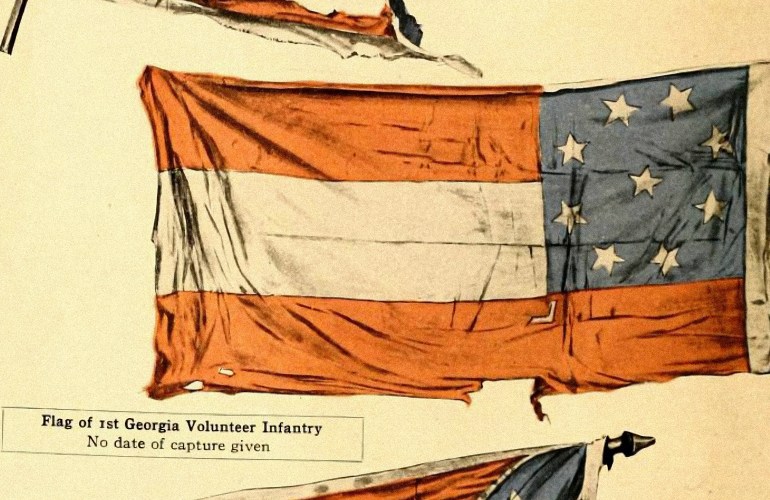
In 1905, Congress passed a resolution directing the War Department to return captured Confederate flags to their respective states. The United Confederate Veterans published a record of these flags called The Flags of the Confederate Armies, containing colorized photographs and short descriptions of the units that bore them in battle. Among them was the regimental…

Outpost Watching Falls Church, Virginia, 1861

This pencil drawing by famed artist Alfred Rudolph Waud (1828-1891) depicts a Union artillery piece and camp of 2nd United States Cavalry, Company B, led by Lieutenant Charles H. Tompkins, near Falls Church, Virginia on July 1, 1861. Exactly one month earlier, Tompkins led a chaotic reconnaissance on Fairfax Court House, in which several of…

The Fate of Burdsall’s Men

On Friday, July 19, 1861, a seven-man patrol from Captain Henry W. Burdsall's Independent Company of Ohio Cavalry was ambushed along the West Fork of the Greenbrier River, near present-day Durbin, West Virginia, in Pocahontas County. Confederate reports claimed that all but one of the men were killed, but the reality was different. One man…