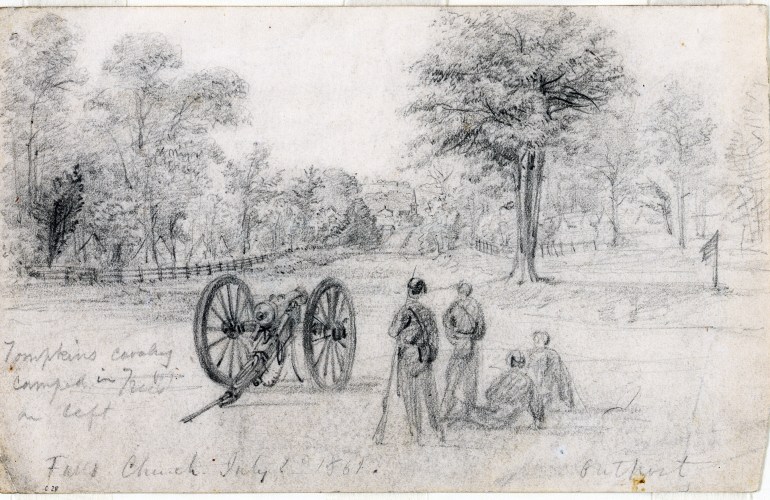
Outpost Watching Falls Church, Virginia, 1861
This pencil drawing by famed artist Alfred Rudolph Waud (1828-1891) depicts a Union artillery piece and camp of 2nd United States Cavalry, Company B, led by Lieutenant Charles H. Tompkins, near Falls Church, Virginia on July 1, 1861. Exactly one month earlier, Tompkins led a chaotic reconnaissance on Fairfax Court House, in which several of…

Confusion and Chaos: The Unplanned Skirmish at Fairfax Court House, 1861

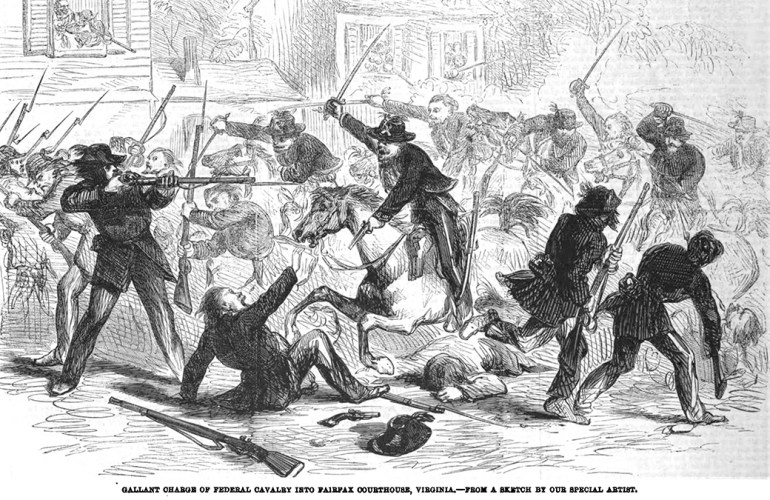
In the early hours of June 1, 1861, Union Lieutenant Charles H. Tompkins led a chaotic and unauthorized cavalry charge through Fairfax Court House, firing blindly in the dark and scattering the poorly armed Confederate defenders. The reckless raid resulted in the death of Captain John Q. Marr, the first Confederate officer killed in action,…

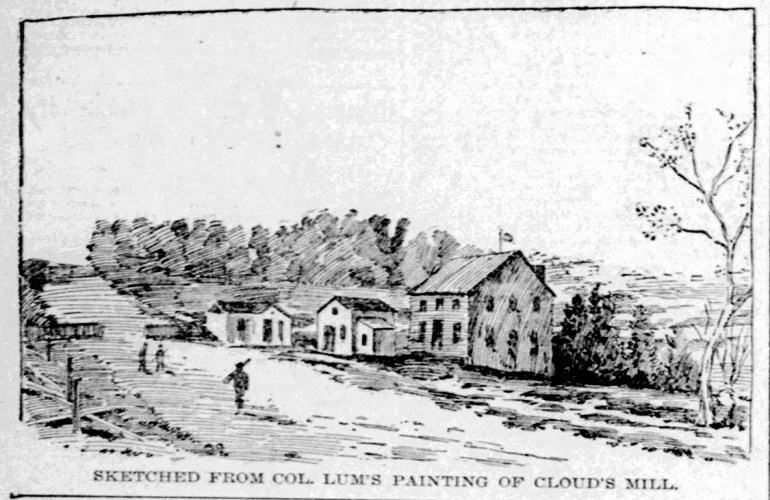
Chaos at Cloud’s Mill: Early Bloodshed in Civil War Virginia

In the early days of the Civil War, a nighttime skirmish near Cloud’s Mill led to confusion, tragedy, and one of the first Union casualties of the conflict. What seemed like an enemy ambush may have been something far more chaotic—a fatal case of friendly fire. On May 23, 1861, Virginia voters ratified secession, and…

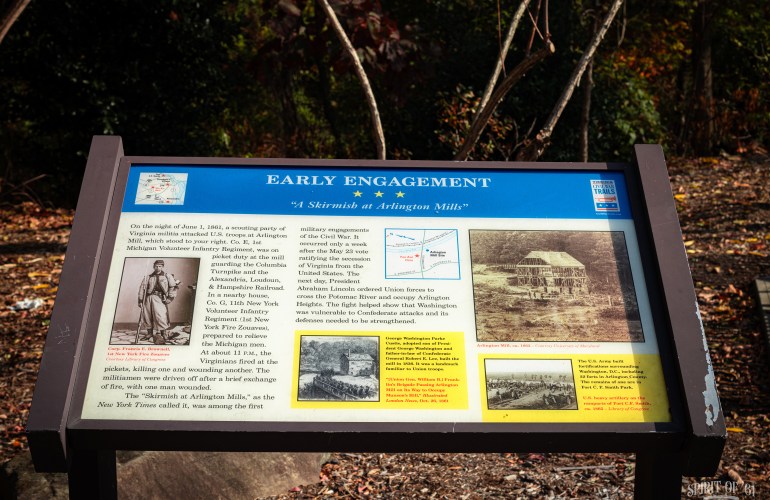
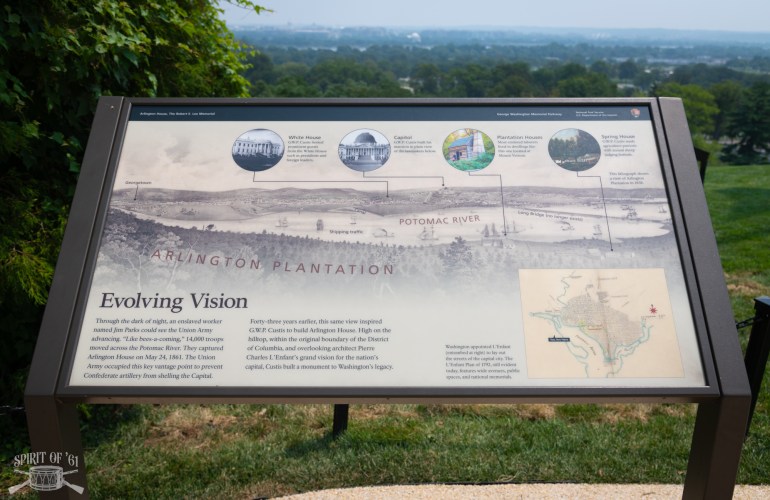
Photo by M.A. Kleen, Spirit61.info

Which Mills? Decoding an Early Civil War Skirmish

Did the so-called "Skirmish at Arlington Mills" really happen? Learn how a simple newspaper error sparked a century-long myth about one of the Civil War’s first land engagements. Primary sources reveal conflicting accounts, misidentified locations, and a puzzling lack of Confederate testimony—raising questions about how historical narratives take shape and why verifying sources is essential…

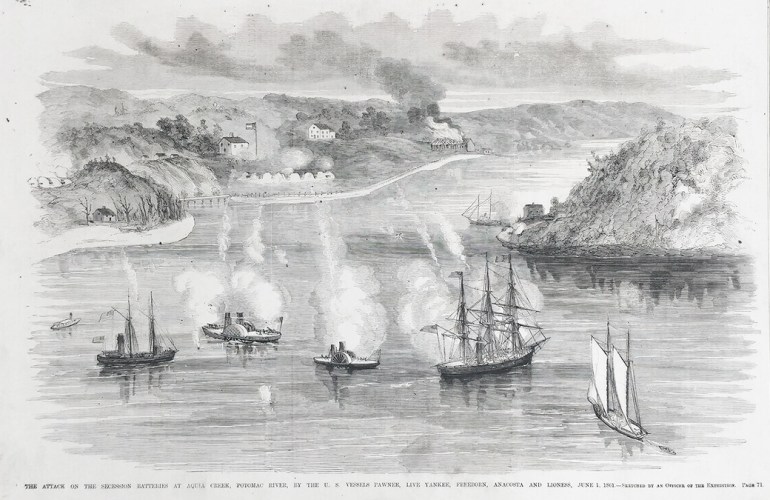
Fire on the Potomac: The Battle for Aquia Landing, 1861

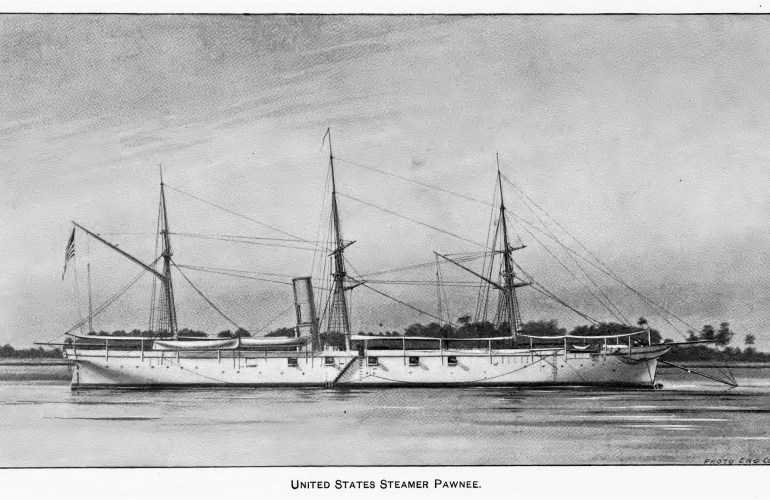
In late May and early June of 1861, Union gunboats of the newly formed Potomac Flotilla clashed with Confederate shore batteries at Aquia Landing, a key rail terminus on Virginia’s Potomac River. Over three days of bombardment, the USS Thomas Freeborn and supporting vessels attempted to silence the Confederate defenses, but despite sustaining damage, the…

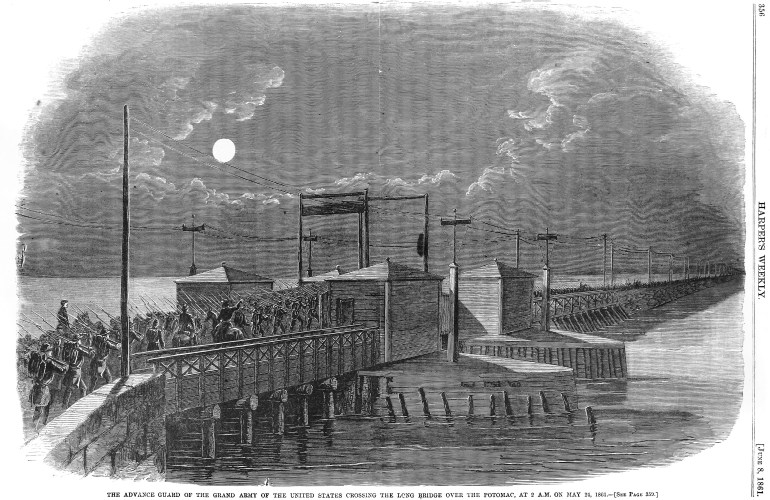
Crossing into Conflict: The Union’s First Movements into Virginia in 1861

In the twilight hours of May 24, 1861, Union forces crossed the Potomac into Virginia, marking the first federal invasion of Confederate territory. As troops secured key locations in Alexandria, Colonel Elmer E. Ellsworth, a rising star and personal friend of President Lincoln, led his Fire Zouaves into the city—only to meet a tragic fate…

Deep Dive into the Lower Potomac Front

In the late spring and early summer of 1861, all eyes were on northeastern Virginia as both sides contemplated their first moves in a war they predicted would be over in a single climactic battle. The small skirmishes that took place on the road to First Manassas were few in number but received outsized attention…

The Bucktail’s Stand at New Creek: A Detailed Account of the July 1861 Skirmish

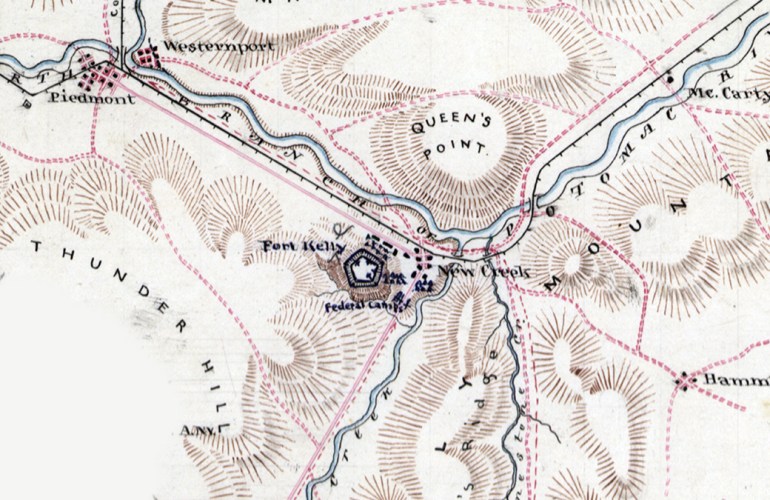
When the departure of Lew Wallace’s 11th Indiana left the B&O Railroad exposed in July 1861, Pennsylvania Reserves faced off against Confederate raiders in another fierce skirmish at New Creek Station. In early July, Colonel Lewis “Lew” Wallace and his 11th Indiana Infantry Regiment, stationed in Cumberland, Maryland, along the Potomac River, were ordered to…

A Town in the Crossfire: Independence Day Skirmish at Harper’s Ferry

Uncover the dramatic July 4th skirmish at Harper’s Ferry, where Union soldiers attempted a bold mission to seize a Confederate flag, sparking a deadly clash along the Potomac River. Explore how this brief but pivotal encounter set the stage for Union control of the strategic town. Following the capture of Harper’s Ferry Arsenal by Virginia…