Testing the Waters: Sewell’s Point and the First Exchange of Fire in Hampton Roads

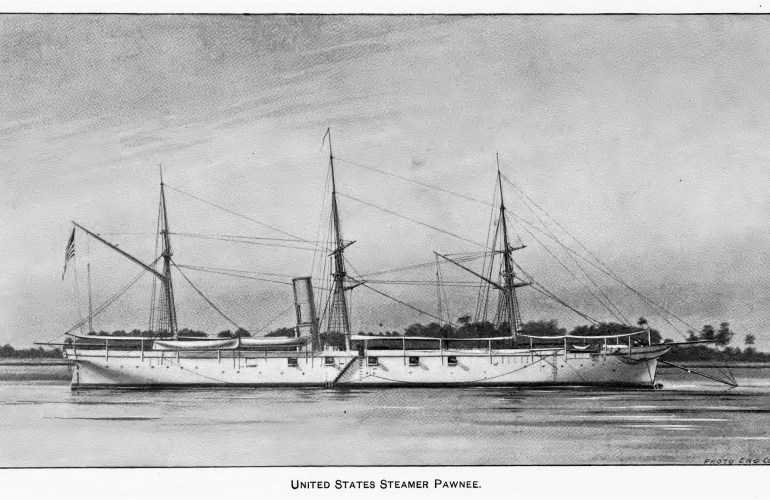
Just days before Virginia’s secession vote, the Engagement at Sewell’s Point on May 18–19, 1861, saw Union gunboats exchange fire with a hastily constructed Confederate battery near Fort Monroe in Hampton Roads. Though the skirmish caused little damage and few injuries, it marked one of the earliest naval engagements of the Civil War in Virginia…

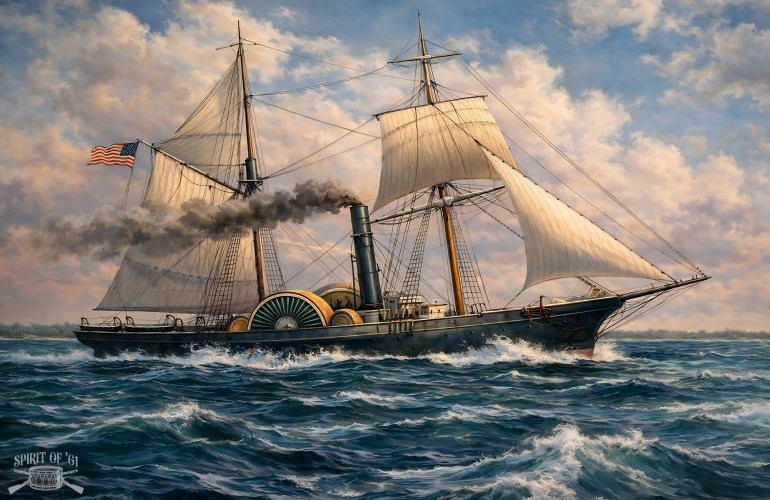
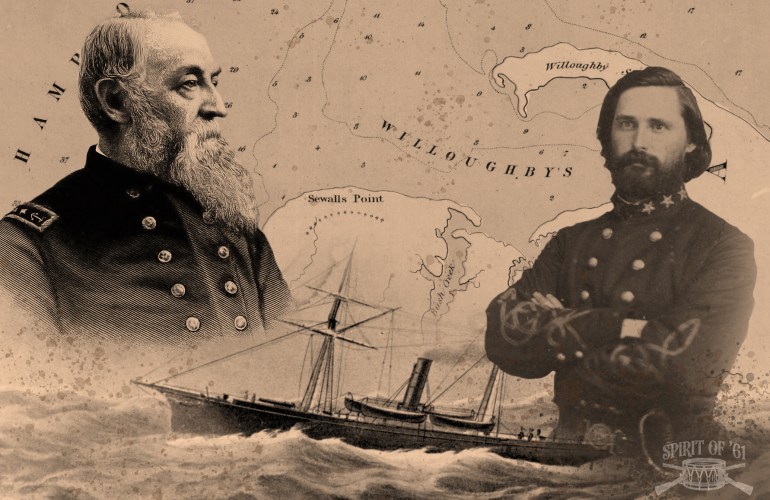
Captain Henry Eagle and the USS Monticello (Star)

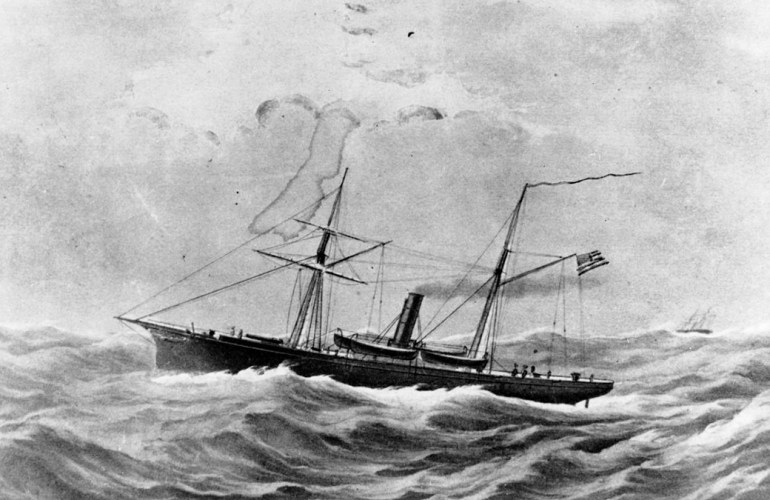
Small and lightly built with a teetotaling veteran captain, the USS Monticello (Star) became an early workhorse of the Union blockade, trading fire with Confederate batteries from the James River to Cape Hatteras. The USS Monticello was a schooner-rigged, wooden screw steamer constructed at Mystic, Connecticut, in 1859. The U.S. Navy chartered her in May…

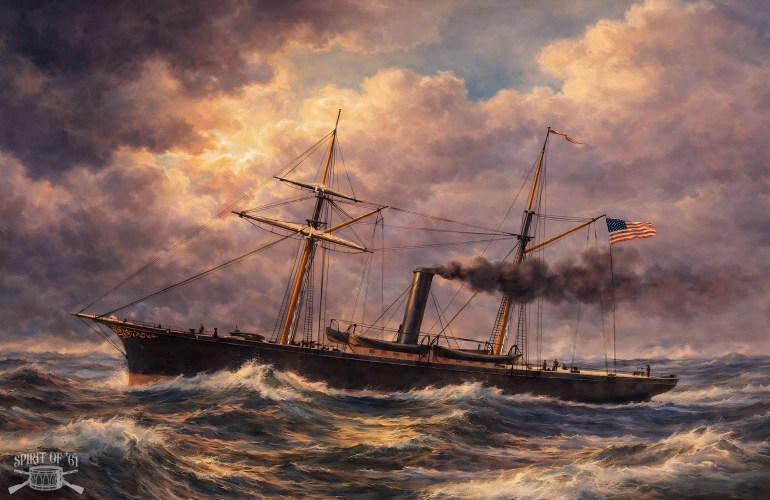
The Role of USS Yankee in Early Civil War Naval Operations

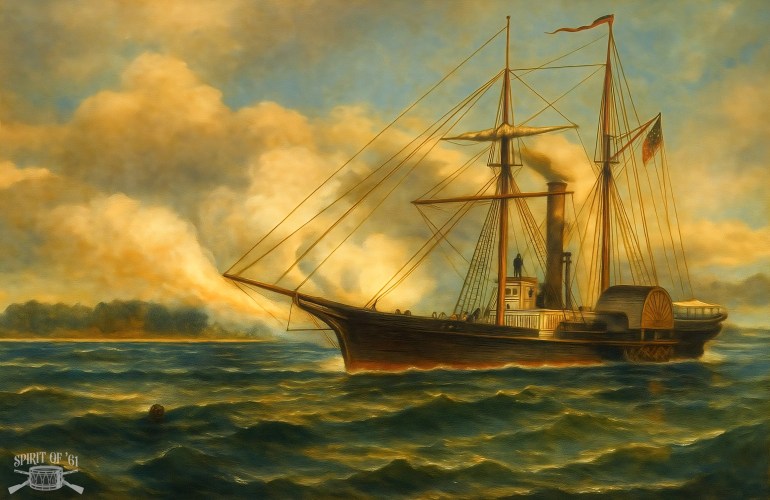
A small, lightly armed tugboat doesn’t sound like the kind of vessel that makes history, until it does. In the Civil War’s opening weeks, USS Yankee, under Lt. Thomas O. Selfridge, Jr., became the Navy’s eyes on the Chesapeake, scouting hostile waterways and snapping up prizes. Notable for exchanging the first shots of the Civil…

Action at Carter’s Creek – Location Revealed

The Action at Carter’s Creek was fought on Monday, June 24, 1861 between Union forces commanded by Lt. Daniel L. Braine and Confederate forces commanded by Capt. Isaac Currell in present-day Lancaster County on Virginia's Northern Neck. The brief exchange of fire resulted in a Confederate victory when the Union landing party was driven off…

The Action at Carter’s Creek, or Affair on the Rappahannock

In the early months of the Civil War, a Union naval mission to gather intelligence on Virginia’s Northern Neck turned into a deadly skirmish with Confederate volunteers. Discover how a routine operation aboard the USS Monticello quickly escalated into a fierce clash that left both sides scrambling. On April 27, in response to the capture…

Illustration of James H. Ward

Connecticut-born James Harmon Ward (1806-1861) was a dyed in the wool Yankee steeped in his region's maritime tradition. He graduated from the American Literary Scientific and Military Academy at Norwich, Vermont in 1823 and entered the U.S. Navy as a midshipman. His varied naval career included interdicting illegal slave traders off the African coast and…

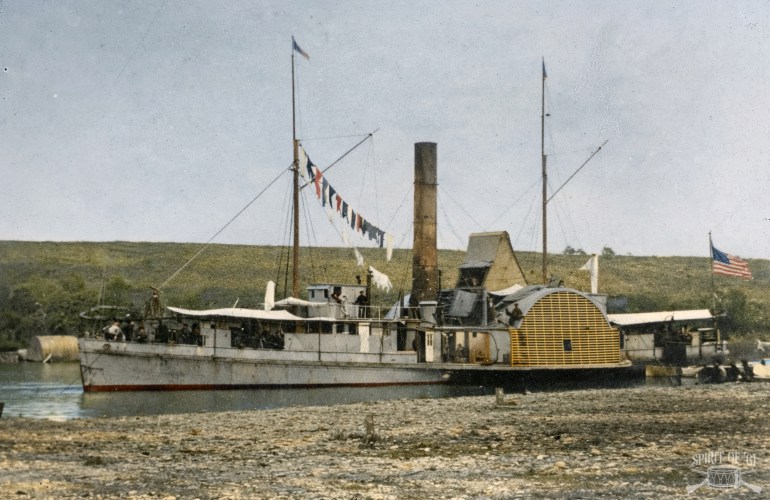
160 Years Ago Today: Engagement at Pig Point

Since April 27, 1861, the U.S. Navy had been enforcing an economic and military blockade on Virginia ports, and several small fleets of U.S. Navy ships and converted civilian vessels had exchanged fire with Confederate shore batteries in the Potomac and James rivers. U.S. Maj. Gen. Benjamin Butler, commanding Fort Monroe at Old Point Comfort…

160 Years Ago Today: Engagement at Sewell’s Point

160 years ago, May 19, 1861, a popular referendum to decide whether the Commonwealth of Virginia would secede from the United States was still four days away. Never-the-less, U.S. President Abraham Lincoln had extended the naval blockade of the seven original Confederate States to include the ports of Virginia and North Carolina. On May 6th,…

160 Years Ago: Engagement at Gloucester Point

On April 17, 1861, a majority of delegates at the Virginia Secession Convention in Richmond passed an ordinance of secession, pending the results of a popular referendum to be held on May 23. Virginia Governor John Letcher appointed Col. Robert E. Lee, recently resigned from the U.S. Army, as overall commander of the Virginia Provisional…