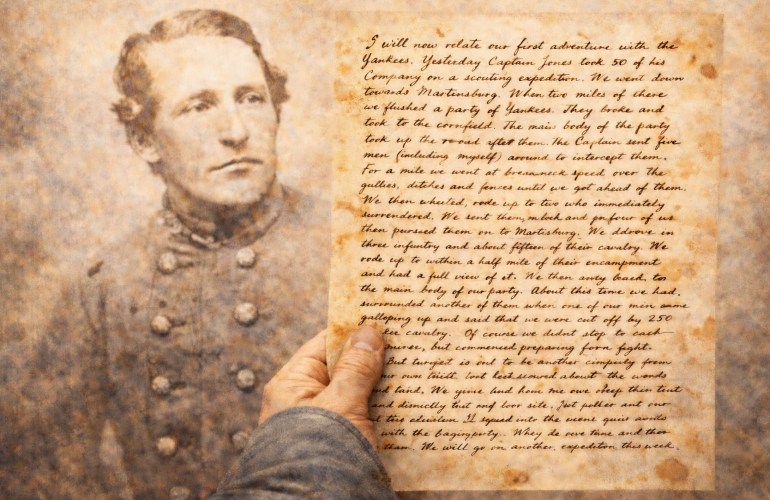
Mosby Sheds Light on What Happened Outside of Martinsburg on July 11, 1861

During the American Civil War, John Singleton Mosby became a famous (or infamous) partisan leader in northern Virginia. The "Gray Ghost" vexed Union commanders and wreaked havoc behind the lines. But in the spring and summer of 1861, he was a private in the Washington Mounted Rifles, a cavalry company in J.E.B. Stuart's 1st Virginia…

Ninety Days to Nowhere: Bunker Hill and the Lost Opportunity at Winchester

In July 1861, a series of sharp skirmishes between 90-day Union volunteers and J. E. B. Stuart’s cavalry outside the village of Bunker Hill convinced Federal commanders that Joseph E. Johnston still stood between them and Winchester. That misjudgment helped shape the movements that allowed Confederate reinforcements to reach Manassas in time. At the beginning…

What happened at Bunker Hill? Detecting this early Civil War skirmish in the Shenandoah

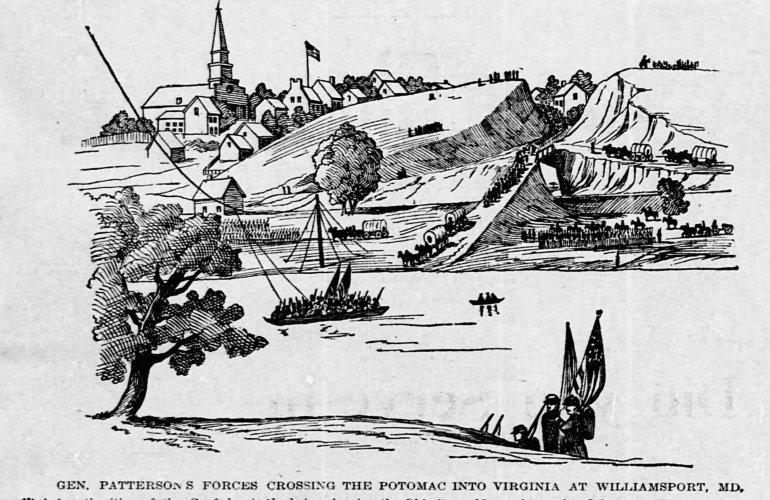
In early July 1861, Union Major General Robert Patterson’s army (largely three-month Pennsylvania volunteers, about 18–25,000 strong) occupied Martinsburg in the Shenandoah Valley. After a minor clash at Falling Waters (Hoke’s Run) on July 2, Patterson remained inactive for nearly two weeks. Opposite him, Confederate General Joseph E. Johnston had moved his forces (approximately 10–12,000)…

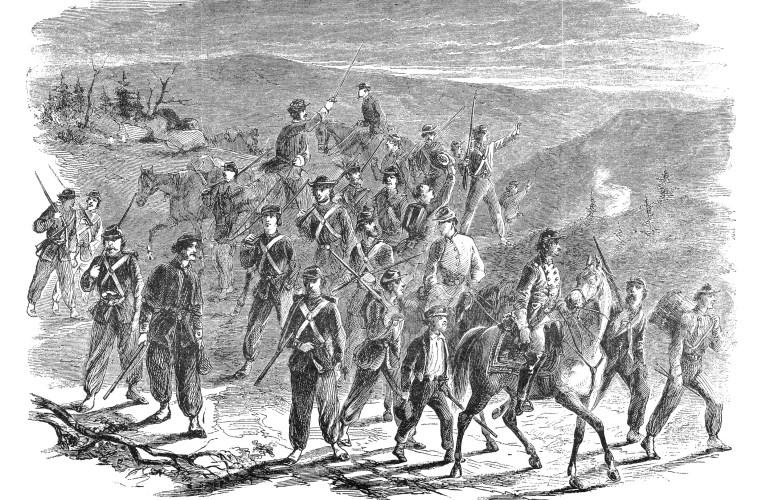
Caught on the Road to Martinsburg: Private Sly and a Costly Lesson in the Shenandoah

On a hot July morning in 1861, a forage run five miles from Martinsburg turned into a brief, deadly clash that left one Union soldier dead and two in Confederate hands. Acting under pressure from the War Department in Washington, DC, after one false start and with 90-day enlistments about to expire, scant artillery, and…