Mosby Sheds Light on What Happened Outside of Martinsburg on July 11, 1861

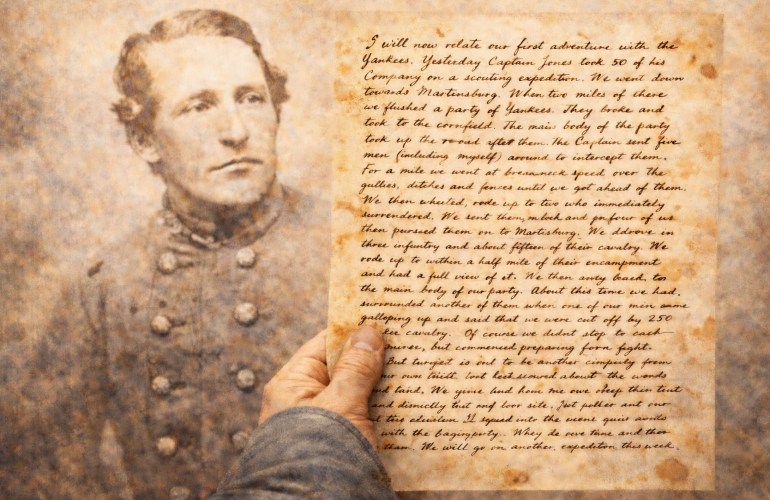
During the American Civil War, John Singleton Mosby became a famous (or infamous) partisan leader in northern Virginia. The "Gray Ghost" vexed Union commanders and wreaked havoc behind the lines. But in the spring and summer of 1861, he was a private in the Washington Mounted Rifles, a cavalry company in J.E.B. Stuart's 1st Virginia…

Organizing for War: Governor John Letcher’s July 13, 1861 Militia Proclamation

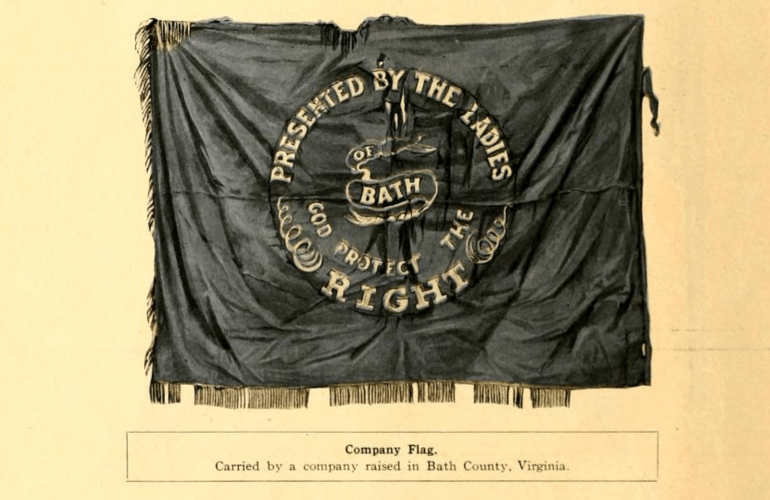
In mid-July 1861, just weeks after Virginia’s formal entry into the Confederate States of America, Governor John Letcher issued a sweeping proclamation calling for the mobilization of militia forces in response to a troop requisition from Confederate President Jefferson Davis. The proclamation, dated July 13, targeted specific regions of the Commonwealth: counties north of the…

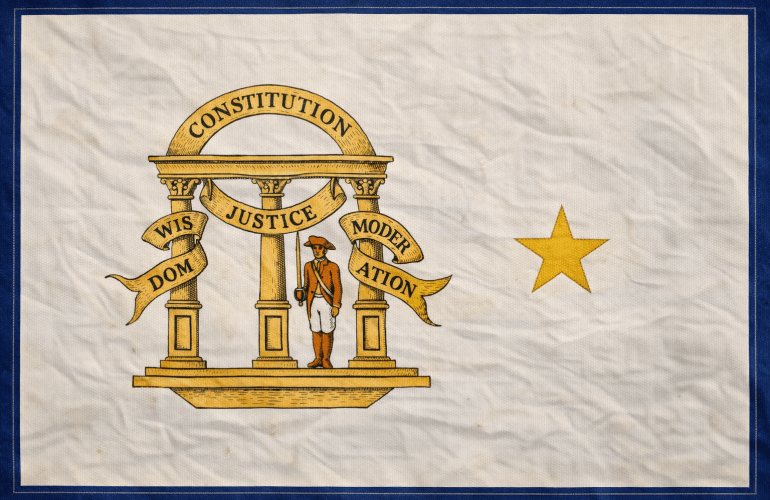
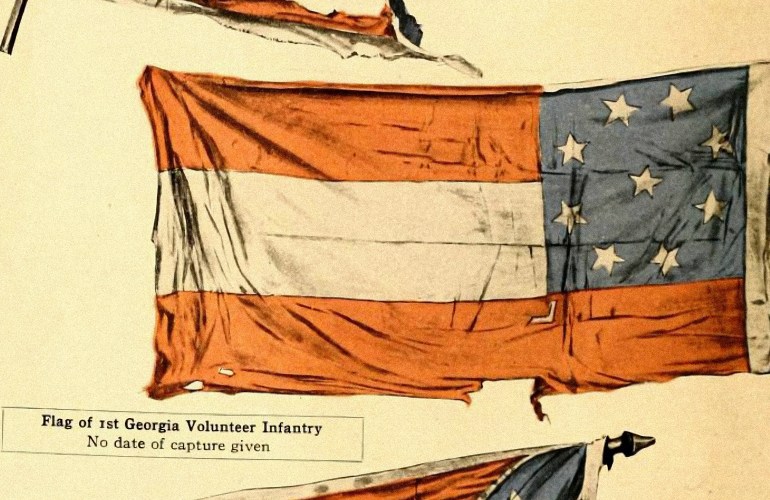
Flag of the First Georgia Regiment (Ramsey’s)

In 1905, Congress passed a resolution directing the War Department to return captured Confederate flags to their respective states. The United Confederate Veterans published a record of these flags called The Flags of the Confederate Armies, containing colorized photographs and short descriptions of the units that bore them in battle. Among them was the regimental…

Preview of our Interview with Dr. Alexander B. Rossino, Author of Six Days in September: A Novel of Lee’s Army in Maryland

A resident of Boonsboro, Maryland, Dr. Alexander B. Rossino earned his PhD in History at Syracuse University. In addition to being a frequent public speaker about Civil War history and regular contributor to Civil War News Magazine, Dr. Rossino is also the author of several books and articles, including Their Maryland: The Army of Northern…

Fort Pocahontas: Jamestown Island’s Forgotten Confederate Stronghold

In the early days of the Civil War, as Virginia seceded and Confederate forces rushed to secure key positions across the state, Jamestown Island—better known as the birthplace of English America—was drawn into the conflict. Between April and July 1861, the Confederacy quickly turned Jamestown Island’s strategic position on the James River into a forward…

Governor Letcher’s 1861 Call to Arms: Uniting Virginia for the Confederacy

In June 1861, just weeks after Virginia’s secession from the Union, Governor John Letcher issued a fiery proclamation to the people of Northwestern Virginia—a region increasingly resistant to Confederate alignment. His message was clear: the time for debate was over, and unity under the Confederate cause was now a matter of duty and survival. John…

Using Artificial Intelligence to Enhance Civil War Portraits

The growth of Artificial Intelligence (A.I.) in recent years has opened up an exciting new field. When used properly and responsibly, it can be of invaluable assistance to researchers and historians looking for new ways to bring the past to life. Our policy on A.I. is to solely employ it for purposes that complement, not…

Civil War “Firsts” in Virginia and West Virginia

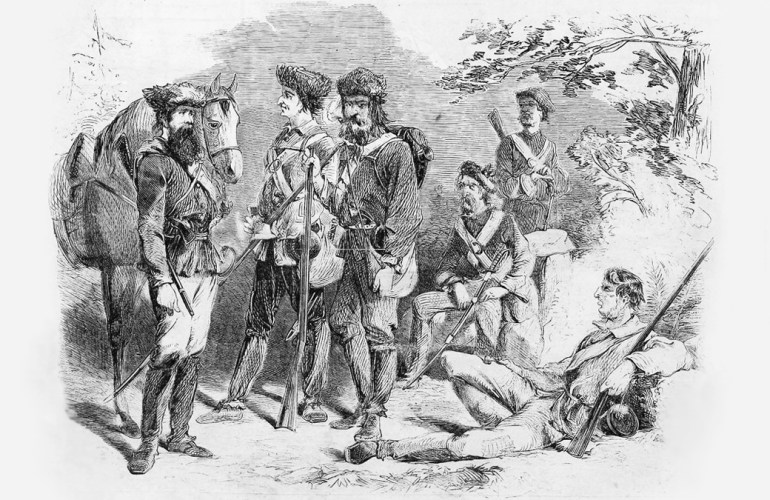
From the first battlefield amputation to the first conventional land battle, Virginia was the stage for many pivotal "firsts" of the Civil War. This article explores these groundbreaking moments, shedding light on the early conflicts, innovations, and key figures that shaped the war's opening chapters. Following the bombardment and surrender of Fort Sumter on April…

The Forgotten Colonel: Angus McDonald’s Role in the Civil War

Angus W. McDonald, Sr. (1799–1864) Colonel Angus William McDonald, Sr. (1799–1864) was born in Winchester, Virginia, on February 14, 1799. He was taken in by his grandmother at the family home of Glengarry after the death of his parents at a young age. As a teenager, he attended the United States Military Academy at West…